Different Placebos, Different Mechanisms, Different Outcomes
Different Placebos, Different Mechanisms, Different Outcomes: Lessons for Clinical Trials
SOURCE: PLoS One. 2015 (Nov 4); 10 (11): e0140967
Fabrizio Benedetti, and Sara Dogue
University of Turin Medical School,
Neuroscience Department,
Turin, Italy.
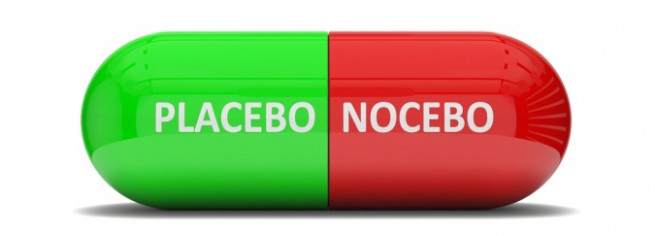
|
I have been fascinated with placebo-controlled trials since the 90s. In those days, virtually all the placebo-controlled manipulative trials claimed that SMT was *no better than placebo*. And in those days, medicine looked down their long noses, considering placebo as worthless, a mild side-effect of trickery and quackery. “A patient finally went to a chiropractor for her back pain after finding no relief with the orthopedist. After three adjustments and a week of no symptoms, she had a follow-up visit with her M.D. Upon learning about the success of the D.C., the orthopedist stated, “That was just the placebo effect.” The patient responded, “If it works so well, why didn’t you use it?” –– Attributed to Robert Mootz, D.C.
Finally, I got around to copying several of those early SMT/placebo studies, and was pleasantly shocked to discover that, compared to pre-study findings, BOTH groups improved significantly. This did NOT mean SMT didn’t help patients, it just means that it didn’t help them MORE than the placebo did. It also strongly suggested that the plazcebo(s) were probably NOT inert. At any rate, now you know why I started collecrting articles on placebo, and they eventually coalesced (2002) into our topical Problem with Placebos/Shams Page. This is how many of our other Topical pages evolved from their humble beginnings. |
Clinical trials use placebos with the assumption that they are inert, thus all placebos are considered to be equal. Here we show that this assumption is wrong and that different placebo procedures are associated to different therapeutic rituals which, in turn, trigger different mechanisms and produce different therapeutic outcomes. We studied high altitude, or hypobaric hypoxia, headache, in which two different placebos were administered. The first was placebo oxygen inhaled through a mask, whereas the second was placebo aspirin swallowed with a pill.
There are more articles like this @ our: