

Support Chiropractic Research!

Frank M. Painter

About Frank M. Painter

I was introduced to Chiro.Org in early 1996, where my friend Joe Garolis helped me learn HTML, the "mark-up language" for websites. We have been fortunate that journals like JMPT have given us permission to reproduce some early important articles in Full-Text format. Maintaining the Org website has been, and remains, my favorite hobby.

Exposure to a Motor Vehicle Collision and the Risk

By |May 1, 2019|Chronic Neck Pain, Whiplash|

Exposure to a Motor Vehicle Collision and the Risk of Future Neck Pain: A Systematic Review and Meta-analysis

The Chiro.Org Blog


SOURCE:   PM R. 2019 (Apr 25) [Epub]

Paul S. Nolet, DC, MS, MPH, Peter C. Emary, DC, MSc, Vicki L. Kristman, PhD, Kent Murnaghan, MA MISt,
Maurice P. Zeegers, PhD, Michael D. Freeman, MedDr, PhD

Care and Public Health Research Institute,
Maastricht University,
Maastricht, Netherlands.
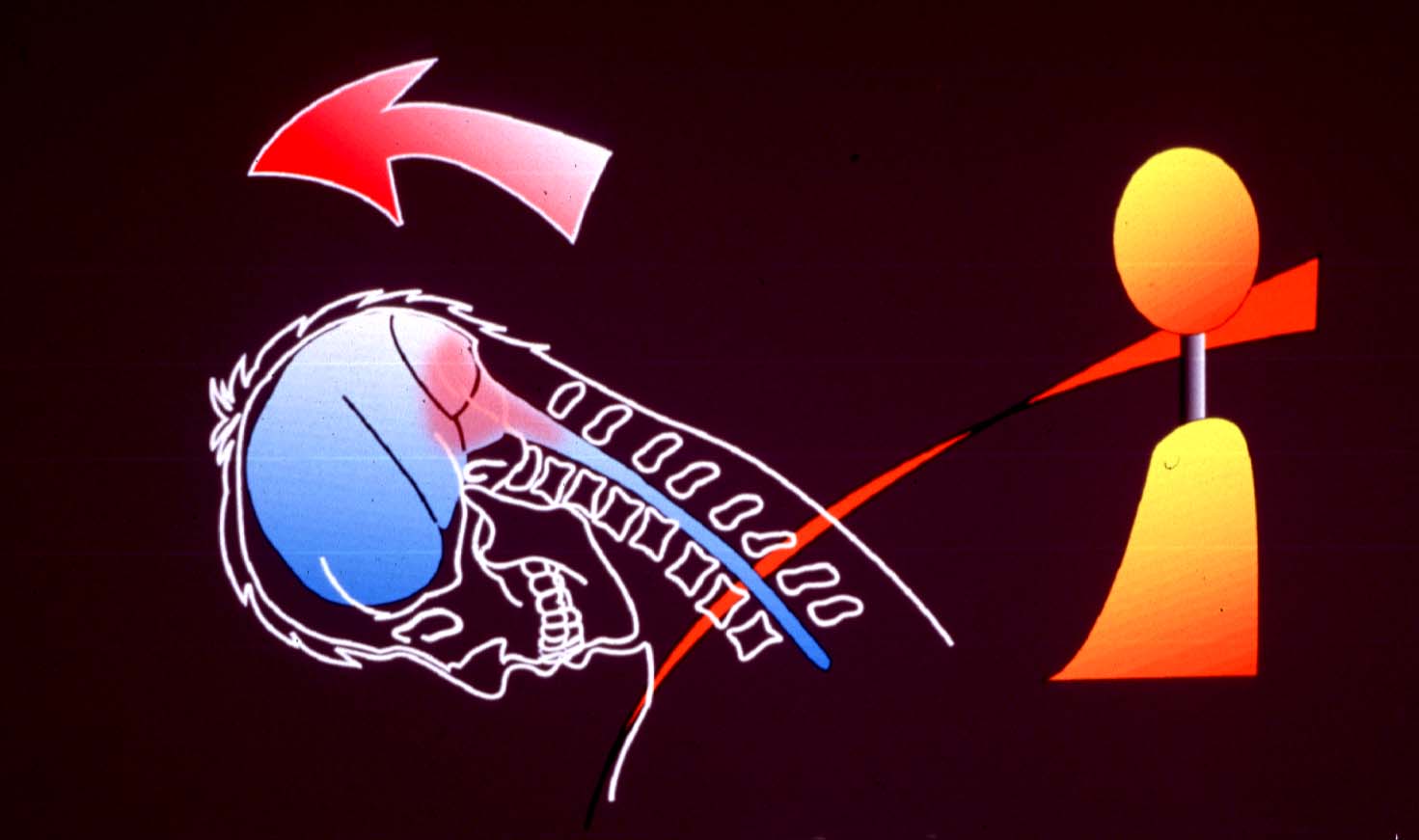

OBJECTIVE:   To summarize the literature that has examined the association between a motor vehicle collision (MVC) related neck injury and future neck pain (NP) in comparison with the population that has not been exposed to neck injury from an MVC.

LITERATURE SURVEY:   Neck injury resulting from a MVC is associated with a high rate of chronicity. Prognosis studies indicate 50% of injured continue to experience NP a year after the collision. This is difficult to interpret due to the high prevalence of NP in the general population.

METHODOLOGY:   We performed a systematic review of the literature using five electronic databases, searching for risk studies on exposure to a MVC and future NP published from 1998 to 2018. The outcome of interest was future NP. Eligible risk studies were critically appraised using the modified Quality in Prognosis Studies (QUIPS) instrument. The results were summarized using best-evidence synthesis principles, a random effects meta-analysis, meta-regression and testing for publication bias was performed with the pooled data.

SYNTHESIS:   Eight articles were identified of which seven were of lower risk of bias. Six studies reported a positive association between a neck injury in an MVC and future NP compared to those without a neck injury in a MVC. Pooled analysis of the six studies indicated an unadjusted relative risk of future NP in the MVC exposed population with neck injury of 2.3 (95% CI [1.8, 3.1]), which equates to a 57% attributable risk under the exposed. In two studies where exposed subjects were either not injured or injury status was unknown, there was no increased risk of future NP.

There are more articles like this @ our:

WHIPLASH Page

(more…)

Manipulation and Mobilization for Treating Chronic Nonspecific Neck

By |April 24, 2019|Chronic Neck Pain|

Manipulation and Mobilization for Treating Chronic Nonspecific Neck Pain: A Systematic Review and Meta-Analysis for an Appropriateness Panel

The Chiro.Org Blog


SOURCE:   Pain Physician. 2019 (Mar); 22 (2): E55–E70

Ian D. Coulter, PhD, Cindy Crawford, BA, Howard Vernon, DC, PhD, Eric L. Hurwitz, DC, PhD,
Raheleh Khorsan, PhD, Marika Suttorp Booth, MS,
and Patricia M. Herman, ND, PhD

RAND Corporation,
Santa Monica, CA


BACKGROUND:   Mobilization and manipulation therapies are widely used by patients with chronic nonspecific neck pain; however, questions remain around efficacy, dosing, and safety, as well as how these approaches compare to other therapies.

OBJECTIVES:   Based on published trials, to determine the efficacy, effectiveness, and safety of various mobilization and manipulation therapies for treatment of chronic nonspecific neck pain.

STUDY DESIGN:   A systematic literature review and meta-analysis.

METHODS:   We identified studies published between January 2000 and September 2017, by searching multiple electronic databases, examining reference lists, and communicating with experts. We selected randomized controlled trials comparing manipulation and/or mobilization therapies to sham, no treatment, each other, and other active therapies, or when combined as multimodal therapeutic approaches. We assessed risk of bias by using the Scottish Intercollegiate Guidelines Network criteria. When possible, we pooled data using random-effects meta-analysis. Grading of Recommendations, Assessment, Development, and Evaluation was applied to determine the confidence in effect estimates. This project was funded by the National Center for Complementary and Integrative Health under award number U19AT007912 and ultimately used to inform an appropriateness panel.

RESULTS:   A total of 47 randomized trials (47 unique trials in 53 publications) were included in the systematic review. These studies were rated as having low risk of bias and included a total of 4,460 patients with nonspecific chronic neck pain who were being treated by a practitioner using various types of manipulation and/or mobilization interventions. A total of 37 trials were categorized as unimodal approaches and involved thrust or nonthrust compared with sham, no treatment, or other active comparators. Of these, only 6 trials with similar intervention styles, comparators, and outcome measures/timepoints were pooled for meta-analysis at 1, 3, and 6 months, showing a small effect in favor of thrust plus exercise compared to an exercise regimen alone for a reduction in pain and disability. Multimodal approaches appeared to be effective at reducing pain and improving function from the 10 studies evaluated. Health-related quality of life was seldom reported. Some 22/47 studies did not report or mention adverse events. Of the 25 that did, either no or minor events occurred.

LIMITATIONS:   The current evidence is heterogeneous, and sample sizes are generally small.

There are more articles like this @ our:

CHRONIC NECK PAIN Page

(more…)

The Chiropractic Vertebral Subluxation Part 1

By |April 19, 2019|Subluxation|

The Chiropractic Vertebral Subluxation Part 1: Introduction

The Chiro.Org Blog


SOURCE:   J Chiropractic Humanities 2018 (Dec); 25: 146–168

Simon A.Senzon, MA, DC

School of Health and Human Sciences,
Southern Cross University,
Lismore, New South Wales, Australia.


Objective   The objective of this article is to present a rationale for the need of a history of chiropractic vertebral subluxation (CVS) theory based on primary sources.

Discussion   There is a dichotomy in the chiropractic profession around subluxation terminology, which has many facets. The literature around this topic spans social, economic, cultural, and scientific questions. By developing a rationale for a historical perspective of CVS theory, including the tracking of the historical development of ideas throughout the profession, a foundation for future discourse may emerge.

There are more articles like this @ our:

What is the Chiropractic Subluxation? Page

(more…)

Identity and Cultural Authority Within Chiropractic

By |April 17, 2019|Chiropractic Identity|

Caught in the Crosshairs: Identity and Cultural Authority Within Chiropractic

The Chiro.Org Blog


SOURCE:   Soc Sci Med. 2011 (Jun); 72 (11): 1826–1837

Yvonne Villanueva-Russell, Ph.D

Dept. of Sociology,
Texas A&M University-Commerce,
Sociology & Criminal Justice,
TX 75429-3011, USA.


In this paper the discourse over identity and cultural authority within the profession of chiropractic in the United States has been analyzed using critical discourse analysis. As the profession struggles to construct one singular image, versions of self must be internally debated and also shaped in consideration of larger, external forces. The dilemma of remaining tied to a marginal professional status must be balanced against considerations of integration. Written texts from chiropractic journals and newspapers are analyzed in a multidimensional approach that considers the rhetorical devices and thematic issues of identity construction; the representation of various voices within the discourse (both heard and unheard); and the extent to which external pressures affect the projection of cultural authority for the profession. A heterogeneous discourse characterized by conflict was found, with discrepancies between everyday chiropractors in actual practice versus academic chiropractors and leaders particularly over the idea, practice and significance of science for the profession.

There are more articles like this @ our:
Chiropractic Identity Page

(more…)

The Chiropractic Vertebral Subluxation Part 10

By |April 16, 2019|Subluxation|

The Chiropractic Vertebral Subluxation Part 10:
Integrative and Critical Literature From 1996 and 1997

The Chiro.Org Blog


SOURCE:   J Chiropractic Humanities 2018 (Dec);   25:   146–168

Simon A.Senzon, MA, DC

School of Health and Human Sciences,
Southern Cross University,
Lismore, New South Wales, Australia.


Objective   The purpose of this paper is to review and discuss the history of chiropractic vertebral subluxation (CVS) during 1996 and 1997. The literature during this period offered critical and integrative models emphasized by a need for research into operational and functional definitions.

Discussion   Several integrative approaches emerged, from Rome’s 296 synonyms to Bergman’s Pain/Tenderness, Asymmetry/Alignment, Range of Motion Abnormality, Tissue Tone, Texture, Temperature Abnormality, and Special Tests (PARTS) analysis adopted by the profession in the United States. Other noteworthy contributions included Ruch’s Atlas of Common Subluxations, Epstein’s introduction of network spinal analysis, and Kent’s review of CVS models. Boone’s introduction of the Journal of Vertebral Subluxation Research was accompanied by his 3-part model with Dobson. These years also included the paradigm statement of the Association of Chiropractic Colleges, which was adopted by the American Chiropractic Association, International Chiropractors Association, and World Federation of Chiropractic. Two other papers included Nelson’s critique of the CVS paradigm and Keating’s 1996 “Hunt for the Subluxation.”

There are more articles like this @ our:

What is the Chiropractic Subluxation? Page

(more…)

Integrating Chiropractic Care Into the Treatment of Migraine

By |April 7, 2019|Headache, Migraine|

Integrating Chiropractic Care Into the Treatment of Migraine Headaches in a Tertiary Care Hospital: A Case Series

The Chiro.Org Blog


SOURCE:   Glob Adv Health Med. 2019 (Mar 28)

Carolyn Bernstein, MD, Peter M Wayne, PhD, Pamela M Rist, ScD, Kamila Osypiuk, MS, Audrey Hernandez, MS, and Matthew Kowalski, DC

Osher Clinical Center,
Brigham and Women’s Hospital,
Boston, Massachusetts.


This case series illustrates an integrated model of care for migraine that combines standard neurological care with chiropractic treatment. For each patient, we describe the rationale for referral, diagnosis by both the neurologist and chiropractor, the coordinated care plan, communication between the neurologist and chiropractor based on direct face-to-face “hallway” interaction, medical notes, team meetings, and clinical outcomes. Findings are evaluated within the broader context of the multicause nature of migraine and the impact of integrative chiropractic. Suggestions for future areas of research evaluating integrative approaches are discussed.

There are more articles like this @ our:

Headache and Chiropractic Page

(more…)