

Support Chiropractic Research!

Frank M. Painter

About Frank M. Painter

I was introduced to Chiro.Org in early 1996, where my friend Joe Garolis helped me learn HTML, the "mark-up language" for websites. We have been fortunate that journals like JMPT have given us permission to reproduce some early important articles in Full-Text format. Maintaining the Org website has been, and remains, my favorite hobby.

The Prevalence, Patterns, and Predictors of Chiropractic Use

By |March 26, 2019|Chiropractic Care|

The Prevalence, Patterns, and Predictors of Chiropractic Use Among US Adults: Results From the 2012 National Health Interview Survey

The Chiro.Org Blog


SOURCE:   Spine (Phila Pa 1976). 2017 (Dec 1); 42 (23): 1810–1816

Jon Adams, PhD, Wenbo Peng, PhD, Holger Cramer, PhD, Tobias Sundberg, PhD, Craig Moore, Masters of Clinical Trials Research, Lyndon Amorin-Woods, MPH, David Sibbritt, PhD, Romy Lauche, PhD

Australian Research Centre in Complementary and Integrative Medicine (ARCCIM),
Faculty of Health, University of Technology Sydney,
Sydney, New South Wales, Australia.


STUDY DESIGN:   Secondary analysis of a national survey.

OBJECTIVE:   The aim of this study was to investigate the prevalence, patterns, and predictors of chiropractic utilization in the US general population.

SUMMARY OF BACKGROUND DATA:   Chiropractic is one of the largest manual therapy professions in the United States and internationally. Very few details have been reported about the use of chiropractic care in the United States in recent years.

METHODS:   Cross-sectional data from the 2012 National Health Interview Survey (n = 34,525) were analyzed to examine the lifetime and 12–month prevalence and utilization patterns of chiropractic use, profile of chiropractic users, and health-related predictors of chiropractic consultations.

RESULTS:   Lifetime and 12–month prevalence of chiropractic use were 24.0% and 8.4%, respectively. There is a growing trend of chiropractic use among US adults from 2002 to 2012. Back pain (63.0%) and neck pain (30.2%) were the most prevalent health problems for chiropractic consultations and the majority of users reported chiropractic helping a great deal with their health problem and improving overall health or well-being. A substantial number of chiropractic users had received prescription (23.0%) and/or over-the-counter medications (35.0%) for the same health problem for which chiropractic was sought and 63.8% reported chiropractic care combined with medical treatment as helpful. Both adults older than 30 years (compared to younger adults), and those diagnosed with spinal pain (compared to those without spinal pain) were more likely to have consulted a chiropractor in the past 12 months.

There are more articles like this @ our:
All About Chiropractic Page

(more…)

Contrasting Real Time Quantitative Measures to Patients

By |March 25, 2019|Trajectories of Back Pain|

Contrasting Real Time Quantitative Measures (Weekly SMS) to Patients’ Retrospective Appraisal of Their One-year’s Course of Low Back Pain; A Probing Mixed-methods Study

The Chiro.Org Blog


SOURCE:   Chiropractic & Manual Therapies 2019 (Feb 26); 27: 12

Lise Hestbaek, Cornelius Myburgh, Henrik Hein Lauridsen, Eleanor Boyle, and Alice Kongsted

Department of Sports Science and Clinical Biomechanics,
University of Southern Denmark,
Odense, Denmark.


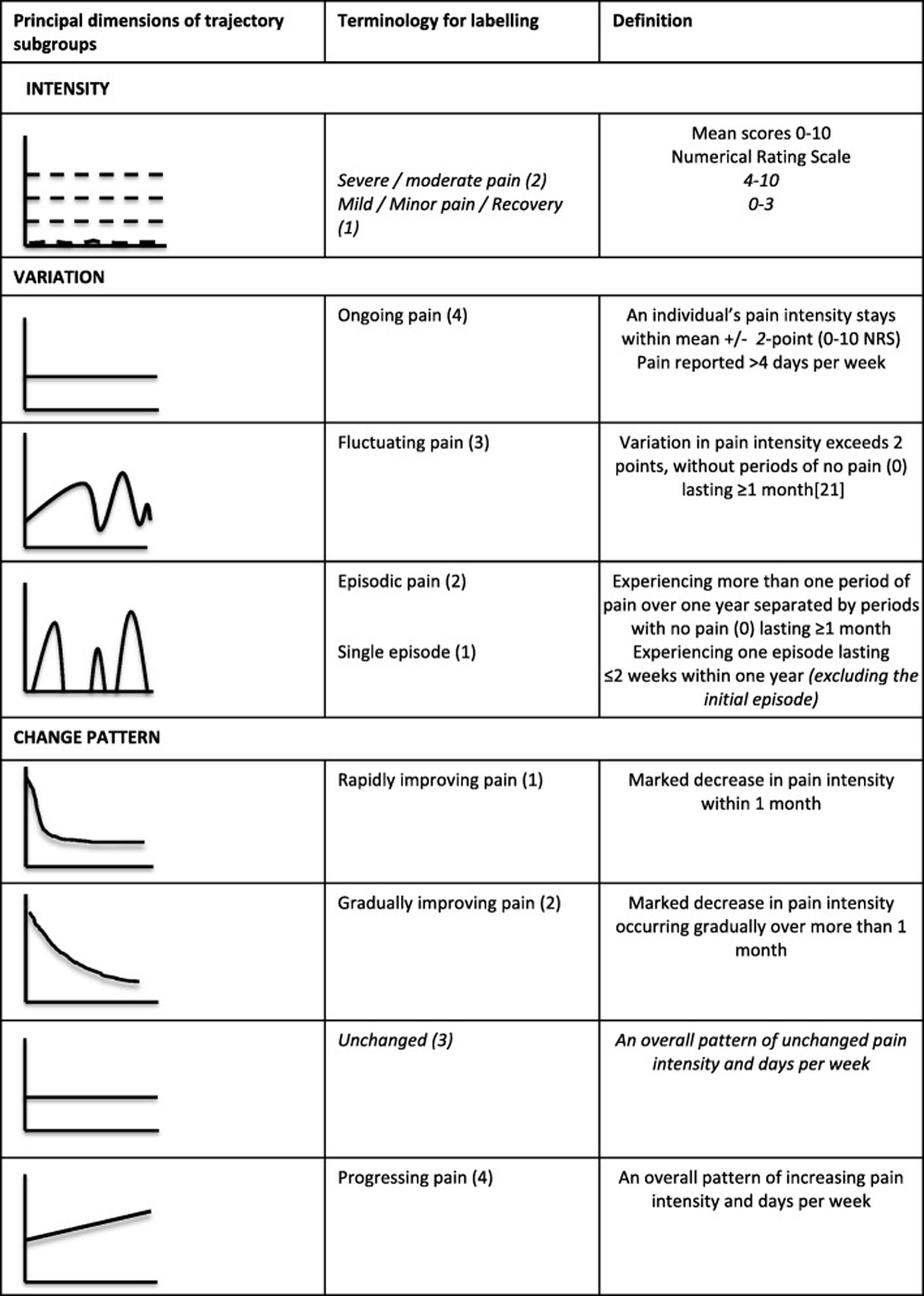
BACKGROUND:   Due to the recurrent nature of low back pain (LBP), the traditional concepts of cure and recovery are challenged, and investigating the course rather than status at fixed time-points may help us understand prognosis as well as treatment effect. However, methods of frequent measuring still need development and validation. Therefore, this study aims to evaluate the agreement between continuous, quantitative self-assessment (weekly SMS) of the course of LBP over a one-year period and qualitatively derived retrospective patient self-appraisal of the same time-period.

METHODS:   Participants were 32 subjects with LBP from primary care. The quantitative measures consisted of weekly SMS questions for one-year about pain intensity, days with LBP, and activity limitations for that week. For each subject, the weekly responses were graphed and categorized into categories based on intensity, variation and overall change patterns. Qualitative measures were based on semi-structured telephone interviews one-year after a consultation for LBP, where two coders independently categorized the self-appraisal of LBP course into the same predefined categories as the SMS-based trajectories. Furthermore, patients’ perceived overall recovery was related to variation patterns from SMS track.

RESULTS:   There was perfect agreement for 48% in the pain intensity domain, 53% in the variation domain and 63% in the change pattern domain. Most of the discordant cases were classified in neighboring categories with the majority relating to fluctuating patterns. The self-perceived overall recovery status seemed to be reflected quite well by the quantitative measures of pain intensity and days with pain in this study.

There are more articles like this @ our:
Trajectories of Low Back Pain

(more…)

Diagnosis and Chiropractic Treatment of Infant Headache

By |March 23, 2019|Headache, Pediatrics|

Diagnosis and Chiropractic Treatment of Infant Headache Based on Behavioral Presentation and Physical Findings: A Retrospective Series of 13 Cases

The Chiro.Org Blog


SOURCE:   J Manipulative Physiol Ther. 2009 (Oct); 32 (8): 682–686

Aurélie M. Marchand, MChiro, DC, Joyce E. Miller, BS, DC, Candice Mitchell, MChiro

Private Practice,
Brussels, Belgium


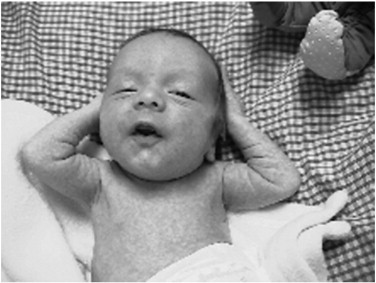
OBJECTIVE:   This case series presents information on diagnosis and treatment of 13 cases of benign infant headache presenting to a chiropractic teaching clinic.

CLINICAL FEATURES:   A retrospective search was performed for files of infants presenting with probable headache revealing 13 cases of headache from 350 files.

INTERVENTION AND OUTCOMES:   Thirteen cases (6 females, 7 males) from 2 days old to 8.5 months old were identified by behavioral presentation, parental, or medical diagnosis. In the cohort, historical findings included: birth trauma, assisted birth, familial headache history and feeding difficulty. Examination and behavioral findings were grabbing or holding of the face, ineffective latching, grimacing and positional discomfort, rapping head against the floor, photophobia and anorexia. Posterior joint restrictions of the cervical spine were found in these cases. No cases of malignant headache were found. All infants received a trial of chiropractic care including manual therapy.

There are more articles like this @ our:

Chiropractic Pediatrics Section and the:

Headache and Chiropractic Page

(more…)

Spinal Manipulation and Exercise for Low Back Pain in Adolescents

By |March 22, 2019|Exercise and Chiropractic|

Spinal Manipulation and Exercise for Low Back Pain in Adolescents: A Randomized Trial

The Chiro.Org Blog


SOURCE:   Pain. 2018 (Jul); 159 (7): 1297–1307

Roni Evans, Mitchell Haas, Craig Schulz, Brent Leininger, Linda Hanson, and Gert Bronfort

Integrative Health & Wellbeing Research Program,
Earl E. Bakken Center for Spirituality and Healing,
University of Minnesota,
Minneapolis, MN, USA.


Low back pain (LBP) is common in adolescence, but there is a paucity of high-quality research to inform care. We conducted a multicenter randomized trial comparing 12 weeks of spinal manipulative therapy (SMT) combined with exercise therapy (ET) to ET alone.

Participants were 185 adolescents aged 12 to 18 years with chronic LBP.

The primary outcome was LBP severity at 12, 26, and 52 weeks. Secondary outcomes included disability, quality of life, medication use, patient- and caregiver-rated improvement, and satisfaction. Outcomes were analyzed using longitudinal linear mixed effect models. An omnibus test assessing differences in individual outcomes over the entire year controlled for multiplicity.

Of the 185 enrolled patients, 179 (97%) provided data at 12 weeks and 174 (94%) at 26 and 52 weeks. Adding SMT to ET resulted in a larger reduction in LBP severity over the course of 1 year (P = 0.007). The group difference in LBP severity (0–10 scale) was small at the end of treatment (mean difference = 0.5; P = 0.08) but was larger at weeks 26 (mean difference = 1.1; P = 0.001) and 52 (mean difference = 0.8; P = 0.009). At 26 weeks, SMT with ET performed better than ET alone for disability (P = 0.04) and improvement (P = 0.02). The SMT with ET group reported significantly greater satisfaction with care at all time points (P ≤ 0.02). There were no serious treatment-related adverse events.

There are more articles like this @ our:
Chiropractic Pediatrics Section

(more…)

Manual Therapy for the Pediatric Population

By |March 21, 2019|Pediatrics|

Manual Therapy for the Pediatric Population: A Systematic Review

The Chiro.Org Blog


SOURCE:   BMC Complement Altern Med. 2019 (Mar 13); 19 (1): 60

Carol Parnell Prevost, Brian Gleberzon, Beth Carleo, Kristian Anderson, Morgan Cark and Katherine A. Pohlman

Palmer College of Chiropractic,
4777 City Center Parkway,
Port Orange, FL, 32129, USA.


BACKGROUND:   This systematic review evaluates the use of manual therapy for clinical conditions in the pediatric population, assesses the methodological quality of the studies found, and synthesizes findings based on health condition. We also assessed the reporting of adverse events within the included studies and compared our conclusions to those of the UK Update report.

METHODS:   Six databases were searched using the following inclusion criteria: children under the age of 18 years old; treatment using manual therapy; any type of healthcare profession; published between 2001 and March 31, 2018; and English. Case reports were excluded from our study. Reference tracking was performed on six published relevant systematic reviews to find any missed article. Each study that met the inclusion criteria was screened by two authors to:

(i)   determine its suitability for inclusion,

(ii)   extract data, and

(iii)   aasess quality of study.

RESULTS:   Of the 3,563 articles identified, 165 full articles were screened, and 50 studies met the inclusion criteria. Twenty-six articles were included in prior reviews with 24 new studies identified. Eighteen studies were judged to be of high quality. Conditions evaluated were: attention deficit hyperactivity disorder (ADHD), autism, asthma, cerebral palsy, clubfoot, constipation, cranial asymmetry, cuboid syndrome, headache, infantile colic, low back pain, obstructive apnea, otitis media, pediatric dysfunctional voiding, pediatric nocturnal enuresis, postural asymmetry, preterm infants, pulled elbow, suboptimal infant breastfeeding, scoliosis, suboptimal infant breastfeeding, temporomandibular dysfunction, torticollis, and upper cervical dysfunction. Musculoskeletal conditions, including low back pain and headache, were evaluated in seven studies. Twenty studies reported adverse events, which were transient and mild to moderate in severity.

There are more articles like this @ our:
Chiropractic Pediatrics Section

(more…)

Prevalence of MRI Findings in the Cervical Spine

By |March 10, 2019|Degenerative Joint Disease, Radiology|

Prevalence of MRI Findings in the Cervical Spine in Patients with Persistent Neck Pain Based on Quantification of Narrative MRI Reports

The Chiro.Org Blog


SOURCE:   Chiropractic & Manual Therapies 2019 (Mar 6); 27: 13

Rikke Krüger Jensen, Tue Secher Jensen, Søren Grøn, Erik Frafjord, Uffe Bundgaard, Anders Lynge Damsgaard, Jeppe Mølgaard Mathiasen and Per Kjaer

Nordic Institute of Chiropractic and Clinical Biomechanics,
Odense, Denmark


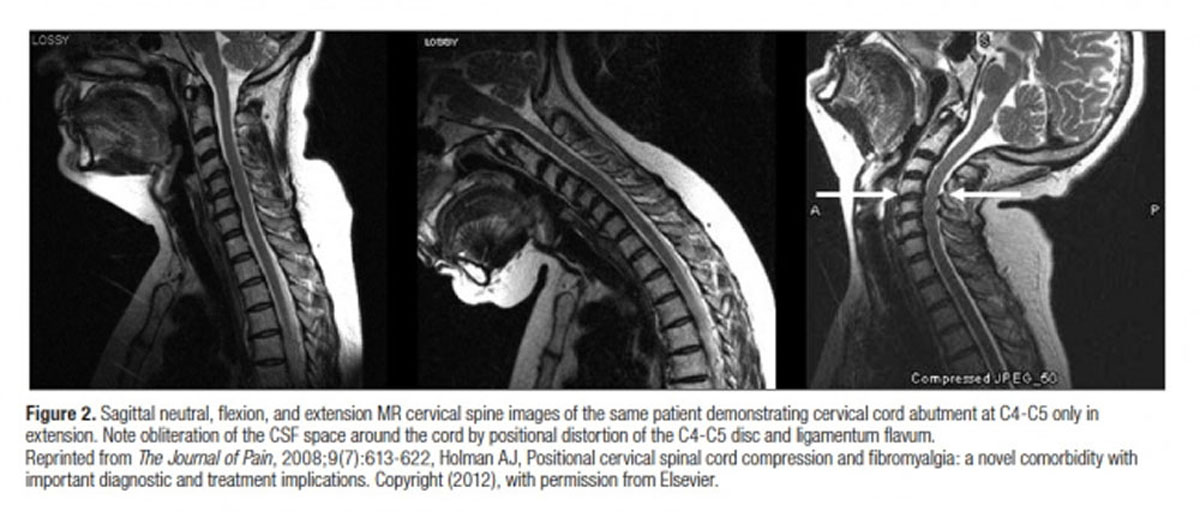
BACKGROUND   Previous studies of patients with neck pain have reported a high variability in prevalence of MRI findings of disc degeneration, disc herniation etc. This is most likely due to small and heterogenous study populations. Reasons for only including small study samples could be the high cost and time-consuming procedures of having radiologists coding the MRIs. Other methods for extracting reliable imaging data should therefore be explored.

The objectives of this study were


1)   to examine inter-rater reliability among a group of chiropractic master students in extracting information
about cervical MRI-findings from radiologists´ narrative reports, and

2)   to describe the prevalence of MRI findings in the cervical spine among different age groups in patients above
age 18 with neck pain.

METHOD   Adult patients with neck pain (with or without arm pain) seen in a public hospital department between 2011 and 2014 who had an MRI of the cervical spine were identified in the patient registry ‘SpineData’. MRI-findings were extracted and quantified from radiologists’ narrative reports by second-year chiropractic master students based on a set of coding rules for the process.

The inter-rater reliability was quantified with Kappa statistics and the prevalence of the MRI findings were calculated.

RESULTS   In total, narrative MRI reports from 611 patients were included. The patients had a mean age of 52 years (SD 13; range 19–87) and 63% were women. The inter-observer agreement in coding MRI findings ranged from substantial (κ = 0.78, CI: 0.33–1.00) to almost perfect (κ = 0.98, CI: 0.95–1.00).

The most prevalent MRI findings were foraminal stenosis (77%), uncovertebral arthrosis (74%) and disc degeneration (67%) while the least prevalent findings were nerve root compromise (2%) and Modic changes type 2 (6%). Modic type 1 was mentioned in 25% of the radiologists’ reports. The prevalence of all findings increased with age, except disc herniation which was most prevalent for patients in their forties.

There are more articles like this @ our:

RADIOLOGY Section

(more…)