Support Chiropractic Research!

Frank M. Painter

About Frank M. Painter

I was introduced to Chiro.Org in early 1996, where my friend Joe Garolis helped me learn HTML, the "mark-up language" for websites. We have been fortunate that journals like JMPT have given us permission to reproduce some early important articles in Full-Text format. Maintaining the Org website has been, and remains, my favorite hobby.

Spinal Manipulation Therapy: Is It All About the Brain?

By |May 29, 2019|Neurology|

Spinal Manipulation Therapy: Is It All About the Brain? A Current Review of the Neurophysiological Effects of Manipulation

The Chiro.Org Blog


SOURCE:   Journal of Integrative Medicine 2019 (May 9) [Epub]

Giles Gyer, Jimmy Michael, James Inklebarger, Jaya Shanker Tedla

The London College of Osteopathic Medicine,
London NW1 6QH, United Kingdom.
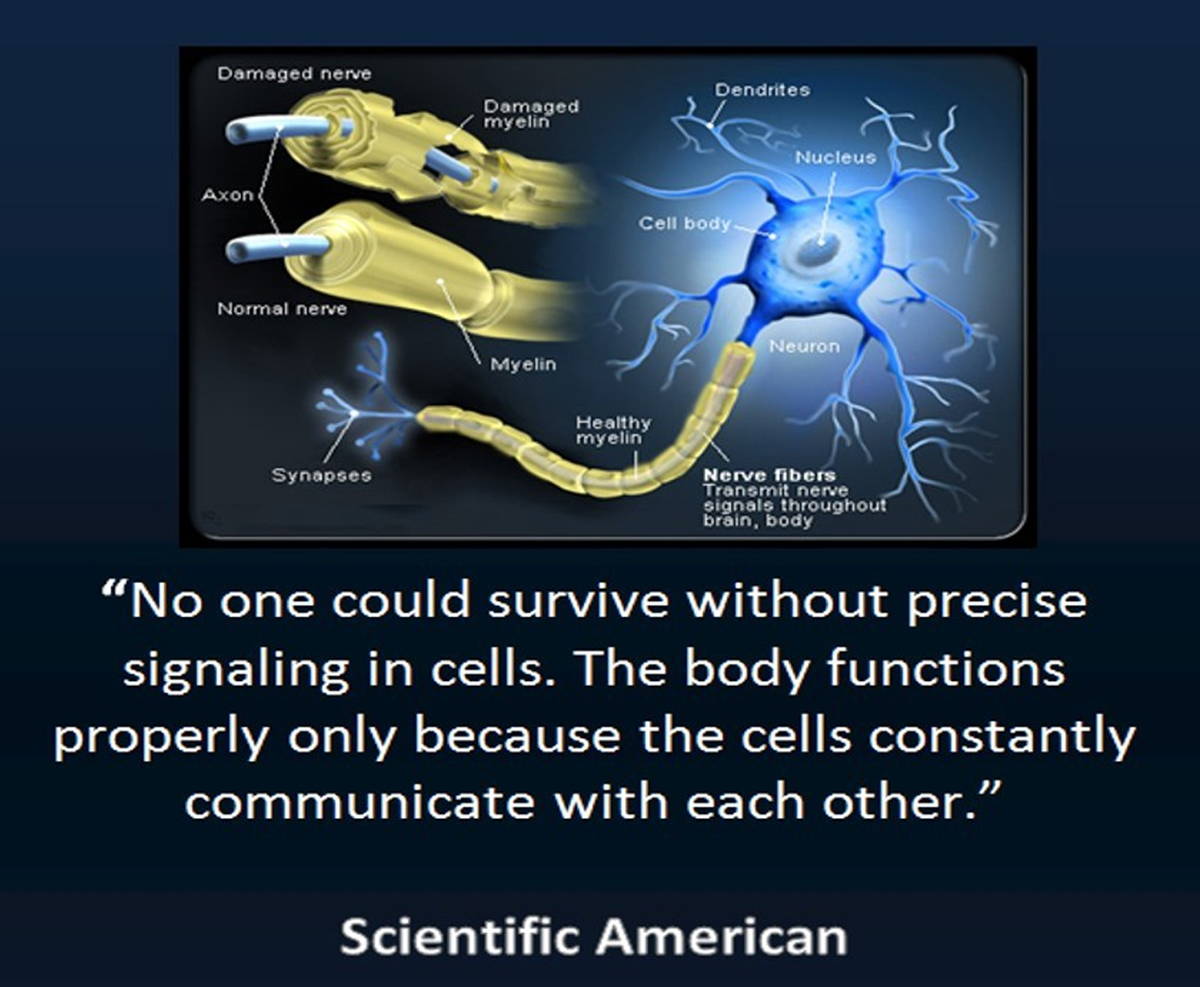

Spinal manipulation has been an effective intervention for the management of various musculoskeletal disorders. However, the mechanisms underlying the pain modulatory effects of spinal manipulation remain elusive. Although both biomechanical and neurophysiological phenomena have been thought to play a role in the observed clinical effects of spinal manipulation, a growing number of recent studies have indicated peripheral, spinal and supraspinal mechanisms of manipulation and suggested that the improved clinical outcomes are largely of neurophysiological origin.

In this article, we reviewed the relevance of various neurophysiological theories with respect to the findings of mechanistic studies that demonstrated neural responses following spinal manipulation. This article also discussed whether these neural responses are associated with the possible neurophysiological mechanisms of spinal manipulation. The body of literature reviewed herein suggested some clear neurophysiological changes following spinal manipulation, which include neural plastic changes, alteration in motor neuron excitability, increase in cortical drive and many more. However, the clinical relevance of these changes in relation to the mechanisms that underlie the effectiveness of spinal manipulation is still unclear. In addition, there were some major methodological flaws in many of the reviewed studies. Future mechanistic studies should have an appropriate study design and methodology and should plan for a long-term follow-up in order to determine the clinical significance of the neural responses evoked following spinal manipulation.

(more…)

A Risk-benefit Assessment Strategy

By |May 25, 2019|Stroke|

A Risk-benefit Assessment Strategy to Exclude Cervical Artery Dissection in Spinal Manual-therapy: A Comprehensive Review

The Chiro.Org Blog


SOURCE:   Annals of Medicine 2019 (Mar 19): 1–10 [Epub]

Aleksander Chaibi & Michael Bjørn Russell

Head and Neck Research Group,
Research Centre, Akershus University Hospital,
Oslo, Norway.


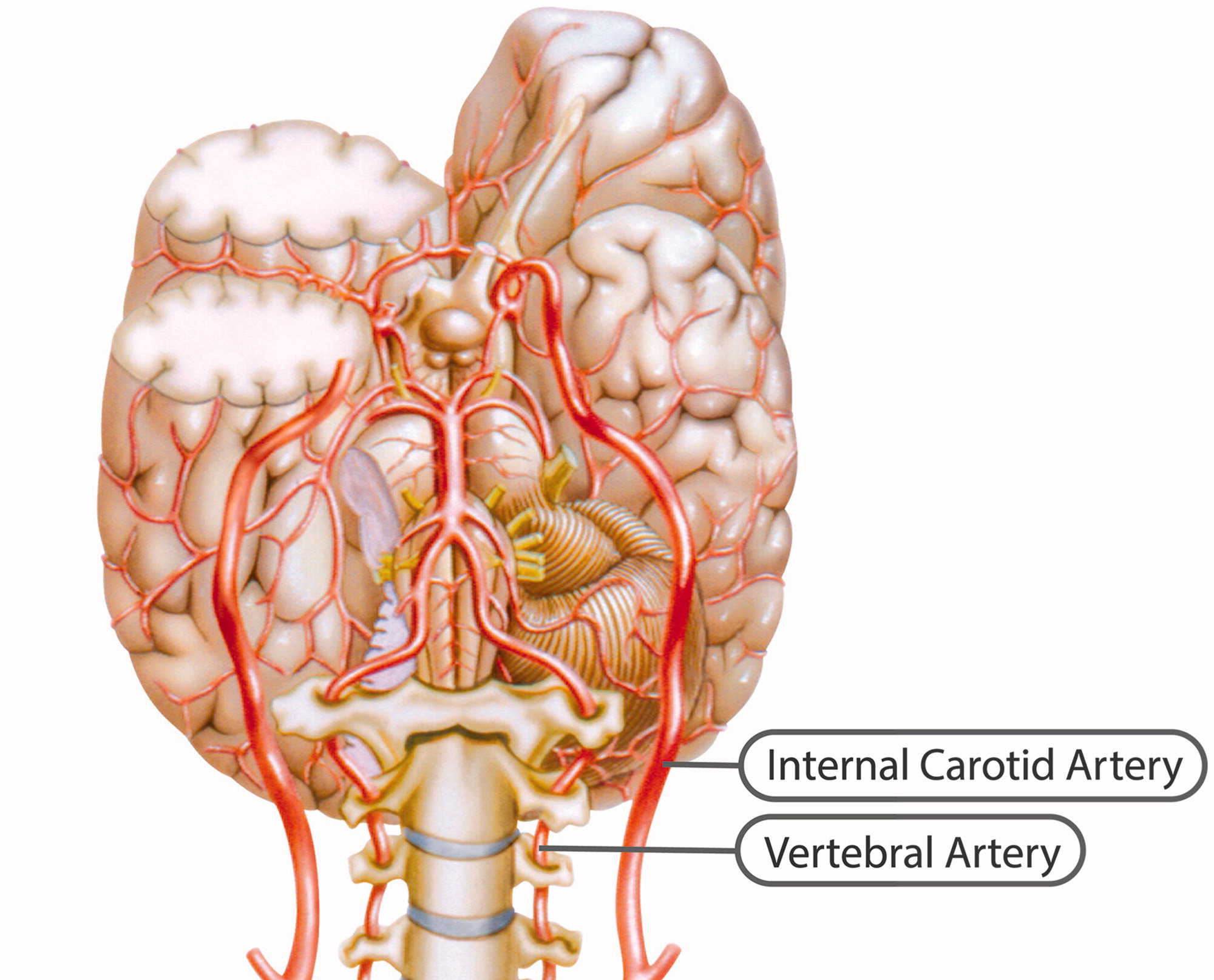
Cervical artery dissection refers to a tear in the internal carotid or the vertebral artery that results in an intramural haematoma and/or an aneurysmal dilatation. Although cervical artery dissection is thought to occur spontaneously, physical trauma to the neck, especially hyperextension and rotation, has been reported as a trigger. Headache and/or neck pain is the most common initial symptom of cervical artery dissection. Other symptoms include Horner’s syndrome and lower cranial nerve palsy. Both headache and/or neck pain are common symptoms and leading causes of disability, while cervical artery dissection is rare. Patients often consult their general practitioner for headache and/or neck pain, and because manual-therapy interventions can alleviate headache and/or neck pain, many patients seek manual therapists, such as chiropractors and physiotherapists. Cervical mobilization and manipulation are two interventions that manual therapists use. Both interventions have been suspected of being able to trigger cervical artery dissection as an adverse event. The aim of this review is to provide an updated step-by-step risk-benefit assessment strategy regarding manual therapy and to provide tools for clinicians to exclude cervical artery dissection.

Key messages


  • Cervical mobilization and/or manipulation have been suspected to be able to trigger cervical artery dissection (CAD). However, these assumptions are based on case studies which are unable to established direct causality.

    There are more articles like this @ our:

    STROKE AND CHIROPRACTIC Page

    (more…)

Relationship Between Early Prescription Dispensing Patterns

By |May 22, 2019|Workers' Compensation|

Relationship Between Early Prescription Dispensing Patterns and Work Disability in a Cohort of Low Back Pain Workers’ Compensation Claimants: A Historical Cohort Study

The Chiro.Org Blog


SOURCE:   Occup Environ Med. 2019 (May 15) [Epub]

Nancy Carnide, Sheilah Hogg-Johnson, Mieke Koehoorn, Andrea D Furlan1, Pierre Côté

Institute for Work and Health,
Toronto, Ontario, Canada.


OBJECTIVES:   To examine and compare whether dispensing of prescription opioids, non-steroidal anti-inflammatory drugs (NSAIDs) and skeletal muscle relaxants (SMRs) within 8 weeks after a work-related low back pain (LBP) injury is associated with work disability.

METHODS:   A historical cohort study of 55 571 workers’ compensation claimants with LBP claims in British Columbia from 1998 to 2009 was conducted using linked compensation, dispensing and healthcare data. Four exposures were constructed to estimate the effect on receipt of benefits and days on benefits 1 year after injury: drug class(es) dispensed, days’ supply, strength of opioids dispensed and average daily morphine-equivalent dose.

RESULTS:   Compared with claimants receiving NSAIDs and/or SMRs, the incidence rate ratio (IRR) of days on benefits was 1.09 (95% CI 1.04 to 1.14) for claimants dispensed opioids only and 1.26 (95% CI 1.22 to 1.30) for claimants dispensed opioids with NSAIDs and/or SMRs. Compared with weak opioids only, the IRR for claimants dispensed strong opioids only or strong and weak opioids combined was 1.21 (95% CI 1.12 to 1.30) and 1.29 (95% CI 1.20 to 1.39), respectively. The incident rate of days on benefits associated with each 7-day increase in days supplied of opioids, NSAIDs and SMRs was 10%, 4% and 3%, respectively. Similar results were seen for receipt of benefits, though effect sizes were larger.

There are more articles like this @ our:

WORKERS’ COMPENSATION Page

(more…)

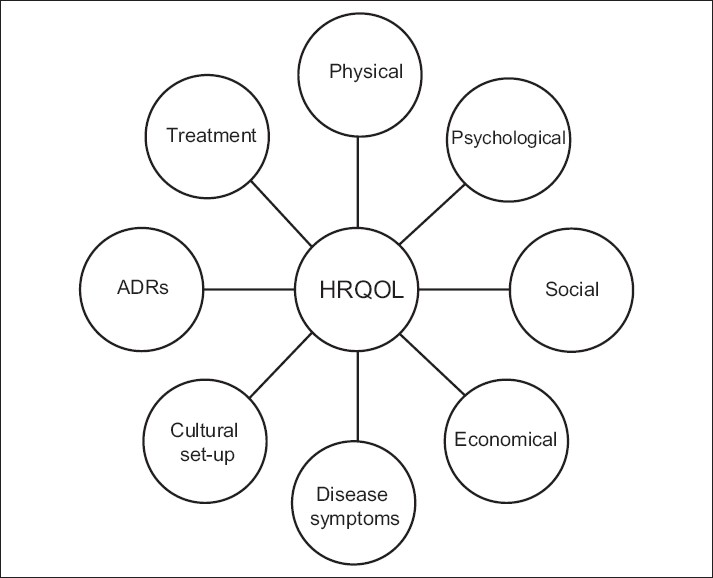
Patient-reported Improvements of Pain, Disability, and Health-related Quality of Life Following Chiropractic Care for Back Pain

By |May 20, 2019|Spinal Pain|

Patient-reported Improvements of Pain, Disability, and Health-related Quality of Life Following Chiropractic Care for Back Pain – A National Observational Study in Sweden

The Chiro.Org Blog


SOURCE:   J Bodyw Mov Ther. 2019 (Apr);   23 (2):   241–246

Gedin F, MSc; Dansk V, MSc; Egmar A-C, PhD; Sundberg T, PhD; Burström K, PhD

Health Economics and Economic Evaluation Research Group,
Medical Management Centre,
Karolinska Institutet,
Stockholm, Sweden


BACKGROUND:   Chiropractic care is a common but not often investigated treatment option for back pain in Sweden. The aim of this study was to explore patient-reported outcomes (PRO) for patients with back pain seeking chiropractic care in Sweden.

METHODS:   Prospective observational study. Patients 18 years and older, with non-specific back pain of any duration, seeking care at 23 chiropractic clinics throughout Sweden were invited to answer PRO questionnaires at baseline with the main follow-up after four weeks targeting the following outcomes: Numerical Rating Scale for back pain intensity (NRS), Oswestry Disability Index for back pain disability (ODI), health-related quality of life (EQ-5D index) and a visual analogue scale for self-rated health (EQ VAS).

There are more articles like this @ our:

SPINAL PAIN MANAGEMENT Page

(more…)

The Placebo Effect in Alternative Medicine

By |May 19, 2019|Placebo|

The Placebo Effect in Alternative Medicine: Can the Performance of a Healing Ritual Have Clinical Significance?

The Chiro.Org Blog


SOURCE:   Annals of Internal Medicine 2002 (Jun 4);   136 (11):   817–825

Ted J. Kaptchuk, OMD

Harvard Medical School,
Boston, Massachusetts, USA.


In alternative medicine, the main question regarding placebo has been whether a given therapy has more than a placebo effect. Just as mainstream medicine ignores the clinical significance of its own placebo effect, the placebo effect of unconventional medicine is disregarded except for polemics.

This essay looks at the placebo effect of alternative medicine as a distinct entity. This is done by reviewing current knowledge about the placebo effect and how it may pertain to alternative medicine. The term placebo effect is taken to mean not only the narrow effect of a dummy intervention but also the broad array of nonspecific effects in the patient-physician relationship, including attention; compassionate care; and the modulation of expectations, anxiety, and self-awareness.

Five components of the placebo effect — patient, practitioner, patient-practitioner interaction, nature of the illness, and treatment and setting — are examined. Therapeutic patterns that heighten placebo effects are especially prominent in unconventional healing, and it seems possible that the unique drama of this realm may have “enhanced” placebo effects in particular conditions. Ultimately, only prospective trials directly comparing the placebo effects of unconventional and mainstream medicine can provide reliable evidence to support such claims.

Nonetheless, the possibility of enhanced placebo effects raises complex conundrums. Can an alternative ritual with only nonspecific psychosocial effects have more positive health outcomes than a proven, specific conventional treatment? What makes therapy legitimate, positive clinical outcomes or culturally acceptable methods of attainment? Who decides?


From the FULL TEXT Article:

Introduction

Efficacious therapy, in one biomedical definition, is therapy that has positive effects greater than those of an indistinguishable dummy treatment in a randomized, controlled trial (RCT). [1–3] Such specific efficacy is actually a comparative measure: intervention contrasted with placebo.

There are more articles like this @ our:

PROBLEMS WITH PLACEBOS Page

(more…)

Spinal Manipulative Therapy and Exercise for Older Adults

By |May 17, 2019|Exercise and Chiropractic|

Spinal Manipulative Therapy and Exercise for Older Adults with Chronic Low Back Pain: A Randomized Clinical Trial

The Chiro.Org Blog


SOURCE:   Chiropractic & Manual Therapies 2019 (May 15); 27: 21

Craig Schulz, Roni Evans, Michele Maiers, Karen Schulz, Brent Leininger and Gert Bronfort

University of Minnesota,
Mayo Building C504,
420 Delaware Street SE,
Minneapolis, MN 55455, USA


Background   Low back pain (LBP) is a common disabling condition in older adults which often limits physical function and diminishes quality of life. Two clinical trials in older adults have shown spinal manipulative therapy (SMT) results in similar or small improvements relative to medical care; however, the effectiveness of adding SMT or rehabilitative exercise to home exercise is unclear.

Methods   We conducted a randomized clinical trial assessing the comparative effectiveness of adding SMT or supervised rehabilitative exercise to home exercise in adults 65 or older with sub-acute or chronic LBP. Treatments were provided over 12–weeks and self-report outcomes were collected at 4, 12, 26, and 52 weeks. The primary outcome was pain severity. Secondary outcomes included back disability, health status, medication use, satisfaction with care, and global improvement. Linear mixed models were used to analyze outcomes. The primary analysis included longitudinal outcomes in the short (week 4–12) and long-term (week 4–52). An omnibus test assessing differences across all groups over the year was used to control for multiplicity. Secondary analyses included outcomes at each time point and responder analyses. This study was funded by the US Department of Health and Human Services, Health Resources and Services Administration.

Results   241 participants were randomized and 230 (95%) provided complete primary outcome data. The primary analysis showed group differences in pain over the one-year were small and not statistically significant. Pain severity was reduced by 30 to 40% after treatment in all 3 groups with the largest difference (eight percentage points) favoring SMT and home exercise over home exercise alone. Group differences at other time points ranged from 0 to 6 percentage points with no consistent pattern favoring one treatment. One-year post-treatment pain reductions diminished in all three groups. Secondary self-report outcomes followed a similar pattern with no important group differences, except satisfaction with care, where the two combination groups were consistently superior to home exercise alone.

There are more articles like this @ our:

EXERCISE AND CHIROPRACTIC Page

(more…)