

Support Chiropractic Research!

BLOG

Developing Integrative Primary Healthcare Delivery

By |June 21, 2018|Integrative Care|

Developing Integrative Primary Healthcare Delivery: Adding a Chiropractor to the Team

The Chiro.Org Blog


SOURCE:   Explore (NY). 2008 (Jan); 4 (1): 18–24

Michael J. Garner, MSc, Michael Birmingham, PhD, Peter Aker, MSc, DC, David Moher, PhD,
Jeff Balon, DC, MD, Dirk Keenan, DC, and Pran Manga, PhD

Carlington Community and Health Services,
Ottawa, Ontario, Canada.


BACKGROUND:   The use of complementary and alternative medicine has been increasing in Canada despite the lack of coverage under the universal public health insurance system. Physicians and other healthcare practitioners are now being placed in multidisciplinary teams, yet little research on integration exists.

OBJECTIVE:   We sought to investigate the effect of integrating chiropractic on the attitudes of providers on two healthcare teams.

DESIGN:   A mixed methods design with both quantitative and qualitative components was used to assess the healthcare teams. Assessment occurred prior to integration, at midstudy, and at the end of the study (18 months).

SETTING:   Multidisciplinary healthcare teams at two community health centers in Ottawa, Ontario, participated in the study.

PATIENTS/PARTICIPANTS:   All physicians, nurse practitioners, and degree-trained nurses employed at two study sites were approached to take part in the study.

INTERVENTION:   A chiropractor was introduced into each of the two healthcare teams.

MAIN OUTCOME MEASURES:   A quantitative questionnaire assessed providers’ opinions, experiences with collaboration, and perceptions of chiropractic care. Focus groups were used to encourage providers to communicate their experiences and perceptions of the integration and of chiropractic.

RESULTS:   Twelve providers were followed for the full 18 months of integration. The providers expressed increased willingness to trust the chiropractors in shared care (F value = 7.18; P = .004). Questions regarding the legitimacy (F value = 12.33; P < .001) and effectiveness (F value = 11.17; P < .001) of chiropractic became increasingly positive by study end.

There are more articles like this @ our:
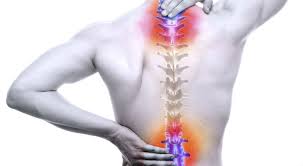
Integrated Health Care and Chiropractic Page

(more…)

Back and Neck Pain Exhibit Many Common Features in Old Age

By |June 20, 2018|Chronic Low Back Pain, Chronic Neck Pain|

Back and Neck Pain Exhibit Many Common Features in Old Age: A Population-based Study of 4,486 Danish Twins 70-102 Years of Age

The Chiro.Org Blog


SOURCE:   Spine 2004 (Mar 1); 29 (5): 576–580

Jan Hartvigsen, DC, PhD, Kaare Christensen, MD, PhD, and Henrik Frederiksen, MD, PhD

Nordic Institute of Chiropractic and Clinical Biomechanics,
Institute of Public Health,
University of Southern Denmark,
Odense C, Denmark.


STUDY DESIGN:   Cross-sectional and longitudinal analysis of data comprising 4,486 Danish twins 70-102 years of age.

OBJECTIVES:   To describe the 1-month prevalence of back pain, neck pain, and concurrent back and neck pain and the development of these over time, associations with other health problems, education, smoking, and physical, and mental functioning.

SUMMARY OF BACKGROUND DATA:   Back pain and neck pain are prevalent symptoms in the population; however, there is little research addressing these conditions in older age groups.

METHODS:   Extensive interview data on health, lifestyle, social, and educational factors were collected in a nationwide cohort-sequential study of 70+ year-old Danish twins. Data for back pain, neck pain, lifetime prevalence of a comprehensive list of diseases, education, and self-rated health were based on self-report. Physical and mental functioning were measured using validated performance tests. Data including associated factors were analyzed in a cross-sectional analysis for answers given at entry into the study, and longitudinal analysis was performed for participants in all four surveys.

RESULTS:   The overall 1-month prevalence for back pain only was 15%, for neck pain only 11%, and for concurrent back and neck pain 11%. The prevalence varied negligibly over time and between the age groups, and 63% of participants in all surveys had no episodes or only one episode of back or neck pain. Back pain and neck pain were associated with a number of other diseases and with poorer self-rated health. Back and neck pain sufferers had significantly lower scores on physical but not cognitive functioning.

There are more articles like this @ our:

Low Back Pain Page and the:

Chronic Neck Pain Page

(more…)

Evidence-informed Management of Chronic Low Back Pain

By |June 11, 2018|Evidence-based Practice|

Evidence-informed Management of Chronic Low Back Pain with Spinal Manipulation and Mobilization

The Chiro.Org Blog


SOURCE:   Spine J. 2008 (Jan); 8 (1): 213–225

Gert Bronfort, DC, PhDa, Mitch Haas, DC, MA, Roni Evans, DC, MS, Greg Kawchuk, DC, PhD, Simon Dagenais, DC, PhD

Northwestern Health Sciences University,
2501 W 84th St,
Bloomington, MN 55431, USA.


The management of chronic low back pain (CLBP) has proven very challenging in North America, as evidenced by its mounting socioeconomic burden. Choosing among available nonsurgical therapies can be overwhelming for many stakeholders, including patients, health providers, policy makers, and third-party payers. Although all parties share a common goal and wish to use limited health-care resources to support interventions most likely to result in clinically meaningful improvements, there is often uncertainty about the most appropriate intervention for a particular patient. To help understand and evaluate the various commonly used nonsurgical approaches to CLBP, the North American Spine Society has sponsored this special focus issue of The Spine Journal, titled Evidence Informed Management of Chronic Low Back Pain Without Surgery.

Articles in this special focus issue were contributed by leading spine practitioners and researchers, who were invited to summarize the best available evidence for a particular intervention and encouraged to make this information accessible to nonexperts. Each of the articles contains five sections (description, theory, evidence of efficacy, harms, and summary) with common subheadings to facilitate comparison across the 24 different interventions profiled in this special focus issue, blending narrative and systematic review methodology as deemed appropriate by the authors. It is hoped that articles in this special focus issue will be informative and aid in decision making for the many stakeholders evaluating nonsurgical interventions for CLBP.

There are more articles like this @ our:

Low Back Pain and Chiropractic Page

(more…)

Characteristics of Veterans Health Administration Chiropractors

By |June 10, 2018|Veterans|

Characteristics of Veterans Health Administration Chiropractors and Chiropractic Clinics

The Chiro.Org Blog


SOURCE:   J Rehabil Res Dev. 2009; 46 (8): 997–1002

Anthony J. Lisi, DC; Christine Goertz, DC, PhD; Dana J. Lawrence, DC, MMedEd; Preeti Satyanarayana, MD, MPH

Veterans Health Administration,
Office of Rehabilitation Services,
Washington, DC


Chiropractic services have been delivered on station at select Veterans Health Administration (VHA) medical facilities since late 2004. No published data describing the characteristics of VHA chiropractic physicians (chiropractors) and chiropractic clinics exist at a national level. This study was designed to examine elements of the structures of chiropractic services in VHA settings. Web-based survey methods were used to question all chiropractors in VHA facilities (N = 36). Data were obtained from 33 providers, yielding a 91.6% response rate. Most respondents were full-time VHA employees, while others were part-time employees or contractors. Differences were found in prior training, integrated practice, and academic or research experience. Of the respondents, 88% ranked low back pain as the most common patient complaint seen in practice and 79% ranked cervical pain the second most common complaint. Of the new patient consultations, 67.6% originated from primary care, 9.4% from pain management, and 6.2% from physiatry. Most respondents were similar in their reported use of diagnostic and therapeutic procedures, but their reported rates of participation in various facility activities were different. Further work is needed for researchers and policy makers to more fully understand the integration and delivery of chiropractic services in VHA settings.

There are more articles like this @ our:
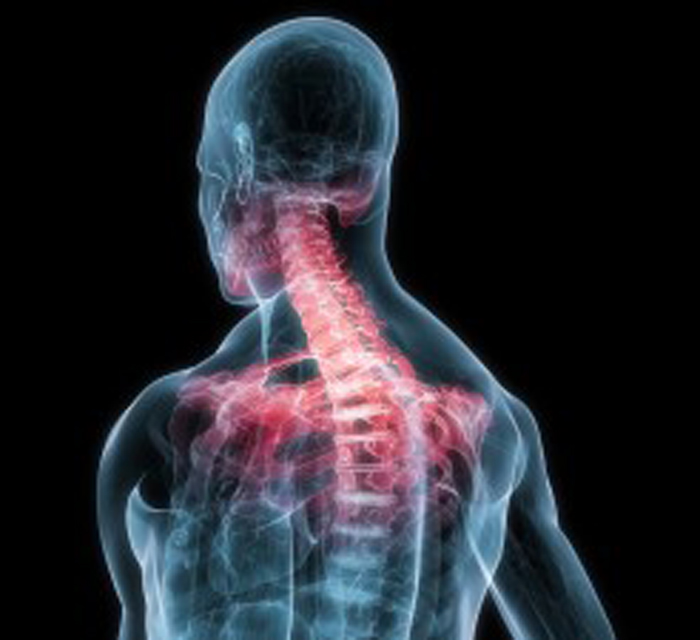
Chiropractic Care For Veterans Page

(more…)

A Scoping Review of Biopsychosocial Risk Factors

By |June 8, 2018|Biopsychosocial Model|

A Scoping Review of Biopsychosocial Risk Factors and Co-morbidities for Common Spinal Disorders

The Chiro.Org Blog


SOURCE:   PLoS One. 2018 (Jun 1); 13 (6):e0197987

Bart N. Green, Claire D. Johnson, Scott Haldeman, Erin Griffith, Michael B. Clay, Edward J. Kane, Juan M. Castellote, Shanmuganathan Rajasekaran, Matthew Smuck, Eric L. Hurwitz, Kristi Randhawa, Hainan Yu, Margareta Nordin

Qualcomm Health Center,
Stanford Health Care,
San Diego, California


OBJECTIVE:   The purpose of this review was to identify risk factors, prognostic factors, and comorbidities associated with common spinal disorders.

METHODS:   A scoping review of the literature of common spinal disorders was performed through September 2016. To identify search terms, we developed 3 terminology groups for case definitions: 1) spinal pain of unknown origin, 2) spinal syndromes, and 3) spinal pathology. We used a comprehensive strategy to search PubMed for meta-analyses and systematic reviews of case-control studies, cohort studies, and randomized controlled trials for risk and prognostic factors and cross-sectional studies describing associations and comorbidities.

RESULTS:   Of 3,453 candidate papers, 145 met study criteria and were included in this review. Risk factors were reported for group 1: non-specific low back pain (smoking, overweight/obesity, negative recovery expectations), non-specific neck pain (high job demands, monotonous work); group 2: degenerative spinal disease (workers’ compensation claim, degenerative scoliosis), and group 3: spinal tuberculosis (age, imprisonment, previous history of tuberculosis), spinal cord injury (age, accidental injury), vertebral fracture from osteoporosis (type 1 diabetes, certain medications, smoking), and neural tube defects (folic acid deficit, anti-convulsant medications, chlorine, influenza, maternal obesity). A range of comorbidities was identified for spinal disorders.

There are more articles like this @ our:
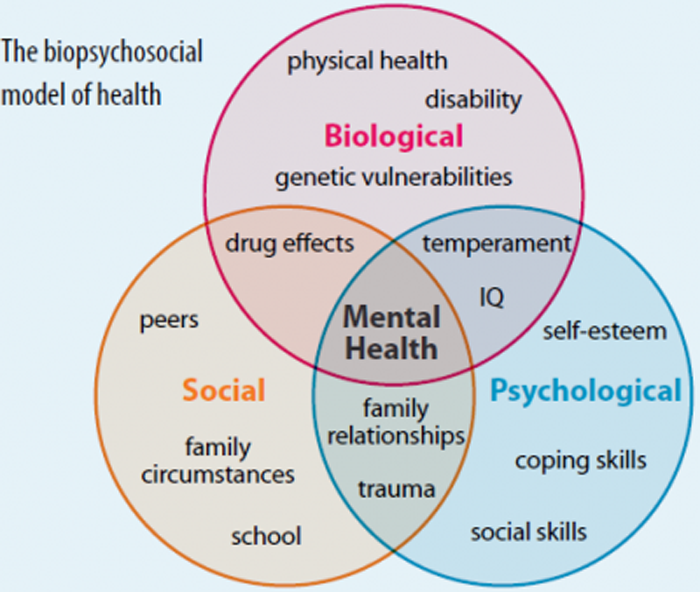
The Biopsychosocial Model Page

(more…)

Association Between Utilization of Chiropractic Services

By |June 7, 2018|Spinal Pain|

Association Between Utilization of Chiropractic Services for Treatment of Low Back Pain and Risk of Adverse Drug Events

The Chiro.Org Blog


SOURCE:   J Manipulative Physiol Ther. 2018 (May 26) [Epub]

James M. Whedon, DC, MS, Andrew W.J. Toler, MS, Justin M. Goehl, DC, MS, Louis A. Kazal, MD

Health Services Research,
Southern California University of Health Sciences,
Whittier, California.


OBJECTIVES:   Mortality rates due to adverse drug events (ADEs) are escalating in the United States. Analgesics are among the drug classes most often associated with occurrence of an ADE. Utilization of nonpharmacologic chiropractic services for treatment of low back pain could lead to reduced risk of an ADE. The objective of this investigation was to evaluate the association between utilization of chiropractic services and likelihood of an ADE.

METHODS:   We employed a retrospective cohort design to analyze health insurance claims data from the state of New Hampshire. After inversely weighting each participant by their propensity to be in their cohort, we employed logistic regression to compare recipients of chiropractic services to nonrecipients with regard to likelihood of occurrence of an ADE in an outpatient setting.

RESULTS:   The risk of an ADE was significantly lower among recipients of chiropractic services as compared with nonrecipients. The adjusted likelihood of an ADE occurring in an outpatient setting within 12 months was 51% lower among recipients of chiropractic services as compared to nonrecipients (OR 0.49; P = .0002). The reported ADEs were nonspecific with regard to drug category in the majority of incidents that occurred in both cohorts.

There are more articles like this @ our:

Chiropractic and Spinal Pain Management Page

(more…)