

Support Chiropractic Research!

BLOG

International Web Survey of Chiropractic Students

By |August 6, 2017|Evidence-based Practice|

International Web Survey of Chiropractic Students About Evidence-based Practice: A Pilot Study

The Chiro.Org Blog


SOURCE:   Chiropractic & Manual Therapies 2011 (Mar 3); 19 (1): 6


Ryunosuke Banzai, Dustin C Derby, Cynthia R Long
and Maria A Hondras

Palmer Center for Chiropractic Research,
Palmer College of Chiropractic,
741 Brady Street, Davenport, IA 52803-5209, USA.


BACKGROUND:   Positive attitude toward evidence-based practice (EBP) principles in healthcare education may be one of the first steps for motivating a healthcare professional student to later apply EBP principles in clinical decision-making. The objectives for this project were to pilot an international web-based survey of chiropractic students and to describe student attitudes, behaviors, and knowledge about EBP principles.

METHODS:   We used SurveyMonkey™ to develop our survey based on an existing questionnaire used to measure basic knowledge, skills and beliefs about EBP among allied healthcare professionals and CAM practitioners. We invited 26 chiropractic educational institutions teaching in English and accredited by official organizations to participate. Academic officials and registrars at participating institutions forwarded an invitation email and two reminders to students between July and September 2010. The invitation contained a link to the 38-item web-based questionnaire. Descriptive statistics were performed for analysis.

RESULTS:   Fourteen institutions from Australia, Canada, US, Denmark and New Zealand participated. Among an estimated 7,142 student recipients of invitation letters, 674 participated in the survey for an estimated response rate of 9.4%. Most respondents reported having access to medical/healthcare literature through the internet, but only 11% read literature every week and 21% did not read literature at all. Respondents generally agreed that the use of research evidence in chiropractic was important. Although 76% of respondents found it easy to understand research evidence and 81% had some level of confidence assessing the general worth of research articles, 71% felt they needed more training in EBP to be able to apply evidence in chiropractic care. Respondents without previous training in research methods had lower confidence in assessing published papers. While more than 60% marked the correct answer for two knowledge items, the mean number of correct answers to the five knowledge questions was 1.3 (SD 0.9).

There are more articles like this @ our:
Evidence-based Practice Page

(more…)

Older Adults Who Use Vitamin/Mineral Supplements

By |August 1, 2017|Nutrient Deficiency, Nutrition|

Older Adults Who Use Vitamin/Mineral Supplements Differ from Nonusers in Nutrient Intake Adequacy and Dietary Attitudes

The Chiro.Org Blog


SOURCE:   J Am Diet Assoc. 2007 (Aug); 107 (8): 1322–1332


Rhonda S. Sebastian, MA, Linda E. Cleveland, MS, RD,
Joseph D. Goldman, MA, Alanna J. Moshfegh, MS, RD

US Department of Agriculture,
Agricultural Research Service,
Food Surveys Research Group,
Beltsville, MD 20705, USA.


OBJECTIVE:   To measure nutrient intake adequacy of vitamin/mineral supplement users and nonusers aged 51 years and older, determine the efficacy of supplement practices in compensating for dietary deficits, and identify predictors of supplement use.

DESIGN:   Analyses of two 24-hour recalls, demographic variables, and attitude questions collected during the Continuing Survey of Food Intakes by Individuals and Diet and Health Knowledge Survey in 1994 to 1996. Data were weighted to be representative of older Americans.

SUBJECTS:   Four thousand three hundred eighty-four adults aged 51 years and older (1,777 daily supplement users, 428 infrequent users, and 2,179 nonusers) residing in households in the United States.

STATISTICAL ANALYSES:   Usual nutrient intake distributions were estimated using the Iowa State University method. The Estimated Average Requirement (EAR) cutpoint method was applied to determine the proportion of older adults not meeting requirements before and after accounting for nutrient intake from supplements. Student t tests were used to assess differences between users and nonusers. Logistic regression was used to determine sociodemographic and attitudinal predictors of supplement use.

RESULTS:   For one or more of the sex-age groups studied, a significantly smaller proportion of supplement users than nonusers had intakes from food alone below the EAR for vitamins A, B-6, and C; folate; zinc; and magnesium. Even so, less than 50% of both users and nonusers met the EAR for folate, vitamin E, and magnesium from food sources alone. Overall, supplements improved the nutrient intake of older adults. After accounting for the contribution of supplements, 80% or more of users met the EAR for vitamins A, B-6, B-12, C, and E; folate; iron; and zinc, but not magnesium. However, some supplement users, particularly men, exceeded Tolerable Upper Intake Levels for iron and zinc and a small percentage of women exceeded the Tolerable Upper Intake Level for vitamin A. Significant sociodemographic factors related to supplement use for older men were age group, metropolitan area, and educational status. Race, region, smoking status, and vegetarian status were significant factors for women. Attitude about the importance of following a healthful diet was a consistent predictor of supplement use for both men and women.

There are more articles like this @ our:

Nutrition Section

(more…)

The Role of Chiropractic Care in Older Adults

By |July 31, 2017|Medicare|

The Role of Chiropractic Care in Older Adults

The Chiro.Org Blog


SOURCE:   Chiropractic & Manual Therapies 2012 (Feb 21); 20 (1): 3


Paul E Dougherty, Cheryl Hawk,
Debra K Weiner, Brian Gleberzon,
Kari Andrew and Lisa Killinger

Research Department,
New York Chiropractic College,
2360 State Route 89,
Seneca Falls, NY 13148, USA.


There are a rising number of older adults; in the US alone nearly 20% of the population will be 65 or older by 2030. Chiropractic is one of the most frequently utilized types of complementary and alternative care by older adults, used by an estimated 5% of older adults in the U.S. annually. Chiropractic care involves many different types of interventions, including preventive strategies. This commentary by experts in the field of geriatrics, discusses the evidence for the use of spinal manipulative therapy, acupuncture, nutritional counseling and fall prevention strategies as delivered by doctors of chiropractic. Given the utilization of chiropractic services by the older adult, it is imperative that providers be familiar with the evidence for and the prudent use of different management strategies for older adults.


From the Full-Text Article:

Introduction

There are more articles like this @ our:

About Chiropractic Page and the:

Medicare Information Page
and the brand new:

Senior Care Page

(more…)

National Clinical Guidelines for Non-surgical Treatment

By |July 27, 2017|Guidelines, Low Back Pain|

National Clinical Guidelines for Non-surgical Treatment of Patients with Recent Onset Low Back Pain or Lumbar Radiculopathy

The Chiro.Org Blog


SOURCE:   European Spine Journal 2018 (Jan); 27 (1): 60–75


Mette Jensen Stochkendahl, Per Kjaer,
Jan Hartvigsen, Alice Kongsted1,
Jens Aaboe, Margrethe Andersen, et al.

Department of Sports Science and Clinical Biomechanics,
University of Southern Denmark,
Campusvej 55, 5230, Odense M, Denmark.


PURPOSE:   To summarise recommendations about 20 non-surgical interventions for recent onset (<12 weeks) non-specific low back pain (LBP) and lumbar radiculopathy (LR) based on two guidelines from the Danish Health Authority.

This is just one article from a series of 5:

The Non-pharmacologic Therapies Low Back Pain

METHODS:   Two multidisciplinary working groups formulated recommendations based on the GRADE approach.

RESULTS:   Sixteen recommendations were based on evidence, and four on consensus. Management of LBP and LR should include information about prognosis, warning signs, and advise to remain active. If treatment is needed, the guidelines suggest using patient education, different types of supervised exercise, and manual therapy. The guidelines recommend against acupuncture, routine use of imaging, targeted treatment, extraforaminal glucocorticoid injection, paracetamol, NSAIDs, and opioids.

There are more articles like this @ our:

Low Back Pain and Chiropractic Page and the:

Low Back Pain Guidelines Page

(more…)

Amount of Health Care and Self-care Following

By |July 25, 2017|Chiropractic Care, Low Back Pain|

Amount of Health Care and Self-care Following a Randomized Clinical Trial Comparing Flexion-distraction with Exercise Program for Chronic Low Back Pain

The Chiro.Org Blog


SOURCE:   Chiropractic & Osteopathy 2006 (Aug 24); 14: 19


Jerrilyn A Cambron, M Ram Gudavalli,
Marion McGregor, James Jedlicka,
Michael Keenum, Alexander J Ghanayem,
Avinash G Patwardhan and Sylvia E Furner

Department of Research,
National University of Health Sciences,
Lombard, IL, USA.


BACKGROUND:   Previous clinical trials have assessed the percentage of participants who utilized further health care after a period of conservative care for low back pain, however no chiropractic clinical trial has determined the total amount of care during this time and any differences based on assigned treatment group. The objective of this clinical trial follow-up was to assess if there was a difference in the total number of office visits for low back pain over one year after a four week clinical trial of either a form of physical therapy (Exercise Program) or a form of chiropractic care (Flexion Distraction) for chronic low back pain.

METHODS:   In this randomized clinical trial follow up study, 195 participants were followed for one year after a four-week period of either a form of chiropractic care (FD) or a form of physical therapy (EP). Weekly structured telephone interview questions regarded visitation of various health care practitioners and the practice of self-care for low back pain.

RESULTS:   Participants in the physical therapy group demonstrated on average significantly more visits to any health care provider and to a general practitioner during the year after trial care (p < 0.05). No group differences were noted in the number of visits to a chiropractor or physical therapist. Self-care was initiated by nearly every participant in both groups.

There are more articles like this @ our:

Low Back Pain and Chiropractic Page

(more…)

Who Gets Depressed? Who Stays Depressed?

By |July 24, 2017|Depression, Whiplash|

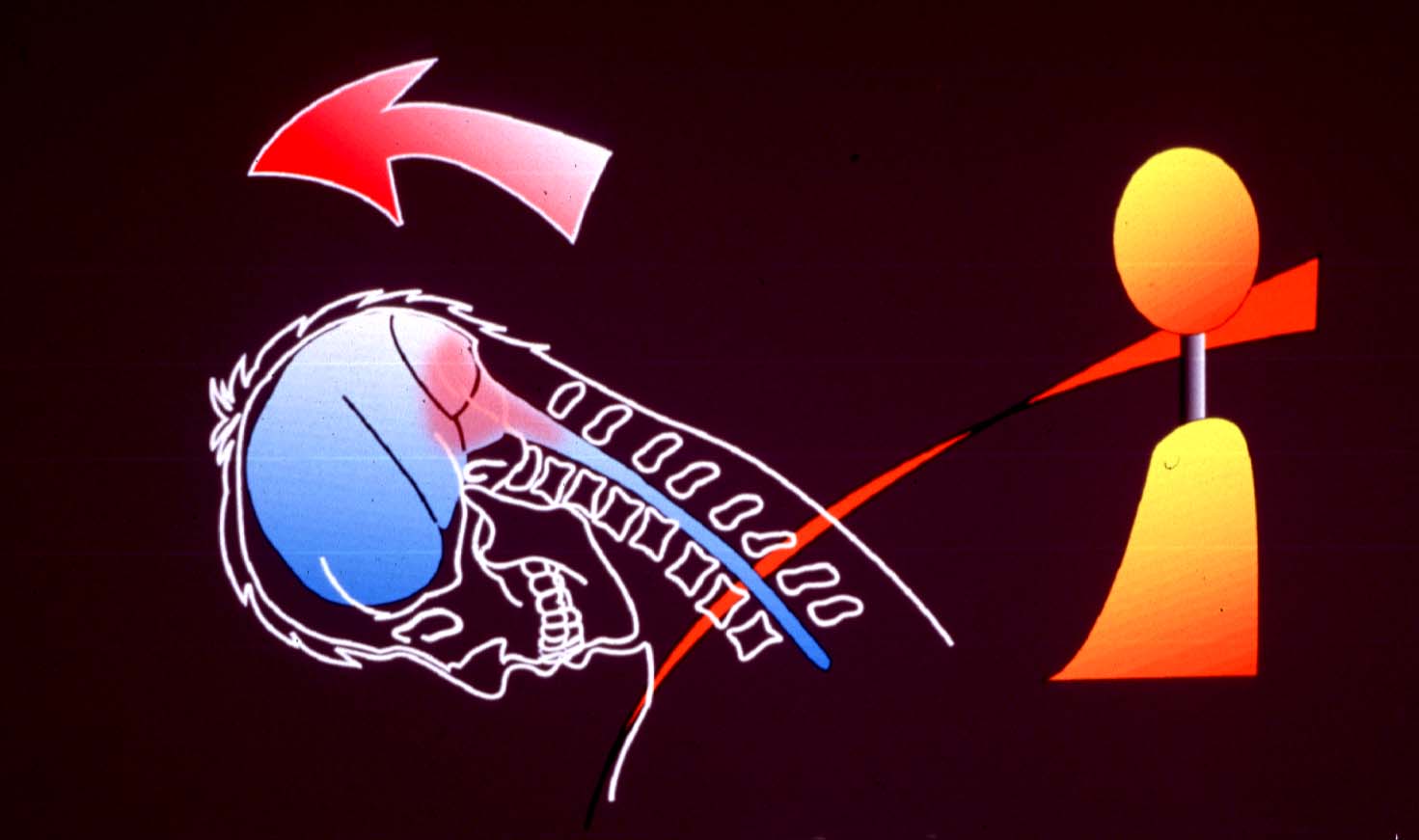
Whiplash-associated Disorders: Who Gets Depressed? Who Stays Depressed?

The Chiro.Org Blog


SOURCE:   Eur Spine J. 2010 (Jun); 19 (6): 945–956


Leah A. Phillips, Linda J. Carroll,
J. David Cassidy, and Pierre Côté

Department of Public Health Sciences,
Alberta Centre for Injury Control and Research,
School of Public Health, University of Alberta,
4075 RTF, 8308 114 St, Edmonton, AB, T6G 2E1, Canada.


Depression is common in whiplash-associated disorders (WAD). Our objectives were to identify factors associated with depressive symptomatology occurring in the initial stages of WAD, and to identify factors predicting the course of depressive symptoms. A population-based cohort of adults sustaining traffic-related WAD was followed at 6 weeks, 3, 6, 9, and 12 months. Baseline measures (assessed a median of 11 days post-crash) included demographic and collision-related factors, prior health, and initial post-crash pain and symptoms. Depressive symptomatology was assessed at baseline and at each follow-up using the Centre for Epidemiological Studies Depression Scale   (CES-D).   We included only those who participated at all follow-ups (n = 3,452; 59% of eligible participants). Using logistic regression, we identified factors associated with initial (post-crash) depression. Using multinomial regression, we identified baseline factors predicting course of depression. Courses of depression were no depression; initial depression that resolves, recurs or persists, and later onset depression. Factors associated with initial depression included greater neck and low back pain severity, greater percentage of body in pain, numbness/tingling in arms/hand, dizziness, vision problems, post-crash anxiety, fracture, prior mental health problems, and poorer general health. Predictors of persistent depression included older age, greater initial neck and low back pain, post-crash dizziness, vision and hearing problems, numbness/tingling in arms/hands, anxiety, prior mental health problems, and poorer general health. Recognition of these underlying risk factors may assist health care providers to predict the course of psychological reactions and to provide effective interventions.


From the FULL TEXT Article:

Introduction

The biopsychosocial model of health posits that in addition to biomedical factors, psychological, and sociological factors play important roles in the diagnosis, treatment, and recovery from illness and disease. [11] According to the Quebec Task Force on whiplash-associated disorders, whiplash is defined as an acceleration–deceleration mechanism of energy transferred to the neck as a result of a motor vehicle collision, and the resulting injury or cluster of symptoms is referred to as whiplash-associated disorders (WAD). [20] WAD is a disorder where the interplay between biological and psychosocial factors appears to have an important effect on recovery. [8]

There are more articles like this @ our:

Whiplash and Chiropractic Page

(more…)