

Support Chiropractic Research!

BLOG

Biomechanics of Spinal Manipulative Therapy

By |April 29, 2018|Biomechanics|

Biomechanics of Spinal Manipulative Therapy

The Chiro.Org Blog


SOURCE:   Spine J. 2001 (Mar); 1 (2): 121–130


John J. Triano, DC, PhD

Conservative Medicine,
Chiropractic Division,
Texas Back Institute,
6300 W. Parker Road,
Plano, TX 75093, USA.


BACKGROUND CONTEXT:   Modern scientific investigations into spinal manipulative therapy (SMT) began in 1975. Conditions often treated include acute and chronic low back pain, radicular pain, neck pain, and some forms of headache. The field of spinal manipulation has often been treated by the literature, incorrectly, as being homogeneous. Much of the confusion regarding this form of treatment can be traced to the ambiguity surrounding the procedures themselves. This report summarizes the clinical biomechanics of SMT and evidence for its associated manipulable lesion is reviewed. Finally, a classification system based on biomechanics is proposed that may facilitate more detailed research in the future.

PURPOSE:   A categorization system for SMT was sought that would be more objective than is clinically available. Such a system may serve as a means to strengthen future studies, determine operating principles, applicability, treatment effectiveness, and nature of the manipulable lesion.

STUDY DESIGN:   Literature synthesis.

METHODS:   A search of the indexed biomechanical and medical literature as well as a hand search of published works was conducted. The criteria for article selection consisted of studies that included measurements of mechanical characteristics of treatment techniques used under the general headings of SMT or manual therapy. A second set of studies was identified that explored the biomechanics of buckling behavior of vertebral segments as a model of the manipulable lesion. Quantitative characteristics of SMT were extracted and grouped to form a basis for classification.

RESULTS:   A total of 31 articles were identified that contained quantitative data on the biomechanical properties of SMT methods. An additional seven studies were found that quantified spinal buckling behavior. Common features of SMT procedures lead to a matrix that biomechanically characterizes the types of procedures in use. Buckling behavior was compared qualitatively with clinical observations to form a plausible and evidence-based hypothesis of the manipulable lesion.

There are more articles like this @ our:
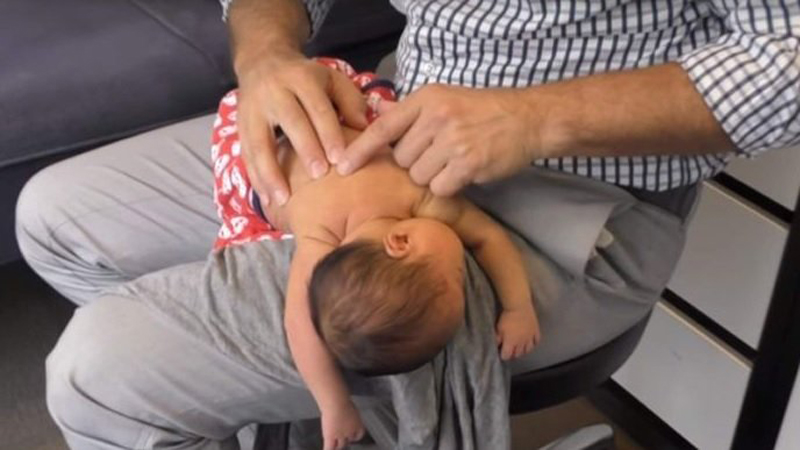
About Chiropractic Adjusting Page

(more…)

Prognostic Significance of Subgroup Classification for Infant Patients

By |April 26, 2018|Colic|

Prognostic Significance of Subgroup Classification for Infant Patients with Crying Disorders: A Prospective Cohort Study

The Chiro.Org Blog


SOURCE:   J Can Chiropr Assoc. 2012 (Mar); 56 (1): 40–48


Joyce Miller, BS, DC and Dave Newell, BS, MSc, PhD

Anglo-European College of Chiropractic
(Bournemouth University),
3-15 Parkwood Road,
Bournemouth, Dorset BH5 2DF, UK


INTRODUCTION:   Few convincing treatment options have been identified for the excessively crying infant. One explanation may be a lack of identification of patient subgroups. This study used a clinically plausible categorization protocol to subgroup infants and compared changes in symptoms between these subgroups during treatment.

METHODS:   An observational cohort design was employed. All infants presenting with excessive infant crying between July 2007 and March 2008 were categorized into three subgroups,

        (A)   infant colic,

(B)   irritable infant syndrome of musculoskeletal origin (IISMO) and

(C)   inefficient feeding crying infants with disordered sleep (IFCIDS) based on history and physical findings.

Mothers completed questionnaires which rated their own and their child’s characteristics prior to and at the end, of a course of manual therapy. Independent associations between infant subgroups and changes in continuous outcomes (crying, stress, sleep, and consolability) were assessed. Multivariable analysis of covariance was used to identify and control for potential confounders.

RESULTS:   A total of 158 infants were enrolled. There was no significant difference in demographic profile between groups or any significant difference in infant crying or level of maternal stress at the start. Only the putative subgroups were significantly associated with differences in outcomes. In general, colic babies improved the most in consolability and crying.

There are more articles like this @ our:

Infantile Colic and Chiropractic Page

(more…)

Infant Demographic Profile and Parent Report of Treatment Outcomes

By |April 25, 2018|Pediatrics|

Infant Demographic Profile and Parent Report of Treatment Outcomes at a Chiropractic Clinic in the UK:
An Observational Study

The Chiro.Org Blog


SOURCE:   J Clinical Chiropractic Pediatrics 2017 (Jan); 17 (1): 1398–1404


Johanna M. Jaskulski, MChiro and Joyce E. Miller, BS, DC, PhD

Private practice.
ProChiro Baesweiler,
Nordrhein-Westfalen, Deutschland


Background:   Children, particularly infants, commonly present to chiropractors. Few studies have concentrated on the demographic profile of infants as well as clinical changes reported by parents of infants under chiropractic care.

Objectives:   To identify the demographic profile of infants presenting to a chiropractic clinic and to investigate any change of infant symptoms and maternal feelings following an episode of chiropractic care.

Setting:   This health care observation study was performed at a chiropractic teaching clinic on the south coast of England.

Subjects/Patients:   The study included all mother-infant dyads who presented to the clinic between August 2011 and June 2015 and could read and write English and who consented to complete the forms. Exclusion criteria were mothers of infants older than one year of age at presentation.

Methods:   All mothers were asked to complete two questionnaires at the initial visit and two follow-up questionnaires at discharge. Data collected were sociodemographic characteristics along with questions asking for graded responses regarding the daily amount of irritable behavior in their child, level of distress the mother feels with her child’s behavior, restfulness of infant sleep during the week and difficulty to console the child when crying as well as to the clinical experience provided. Additionally, the validated Edinburgh Postnatal Depression Scale (EPDS) was used as a report of the mother’s feelings.

Results:   413 mothers completed the intake questionnaires. 197 (48%) mothers completed the discharge questionnaires. At intake, 50.3% (n=182) of the patients were four weeks of age or younger. The presenting complaint appeared before the age of two weeks in 79.1% (n=161) of the cases. 30.2% (n=160) presented with colic/crying and 22.9% (n=121) with a feeding related complaint. The modal length of an episode of care was two weeks. Over the course of treatment, average maternal distress levels reduced by 48%. Mean amount of irritability reduced by 31%; mean restfulness of sleep improved by 27% and mean difficulty to console reduced by 38% in the infant. The median EPDS score dropped by 50% over the time of care. 96.3% of parents rated 8–10 satisfaction with care on a scale of 1–10.

There are more articles like this @ our:
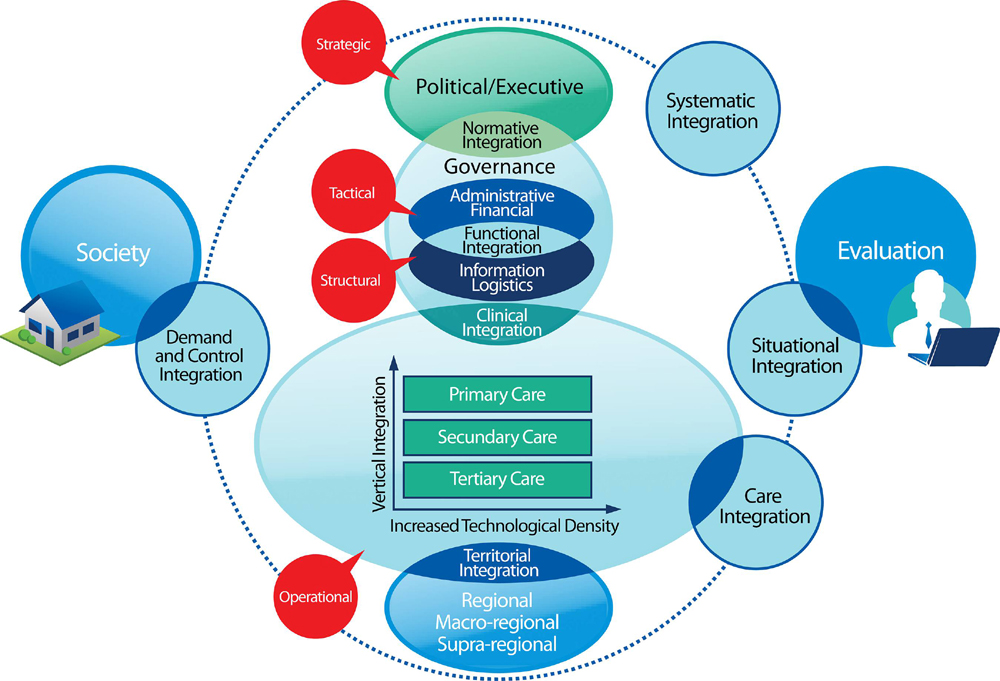
Chiropractic Pediatrics Section

(more…)

A Survey of American Chiropractic Association Members’ Experiences

By |April 24, 2018|Integrative Care|

A Survey of American Chiropractic Association Members’ Experiences, Attitudes, and Perceptions of Practice in Integrated Health Care Settings

The Chiro.Org Blog


SOURCE:   J Chiropractic Medicine 2015 (Dec); 14 (4): 227–239


Leo J. Bronston, DC, Lauren E. Austin-McClellan, DC, MS, Anthony J. Lisi, DC, Kevin C. Donovan, DC, and Walter W. Engle, DC

University of Bridgeport College of Chiropractic,
Bridgeport, CT;
Staff Chiropractor,
VA Connecticut Healthcare System,
West Haven, CT.


OBJECTIVE:   The purpose of this study is to examine the self-report of experiences, attitudes, and perceived educational needs of American Chiropractic Association members regarding practice in integrated health care settings.

METHODS:   This was a descriptive observational study of the American Chiropractic Association members. Participants completed an electronic survey reporting their current participation and interest in chiropractic integrated practice.

RESULTS:   The survey was completed in 2011 by 1142 respondents, for a response rate of 11.8%. The majority of respondents (82.9%) did not currently practice in an integrated setting, whereas 17.1% did. Those practicing in various integrated medical settings reported delivering a range of diagnostic, therapeutic, and case management services. Participation in administrative and scholarly activities was less common. Respondents not practicing in integrated settings reported being interested in delivering a very similar array of clinical services. Doctors of chiropractic practicing in hospital or outpatient medical facilities reported frequent engagement in interprofessional collaboration. Both nonintegrated and integrated respondents reported very similar educational interests on a range of clinical topics.

There are more articles like this @ our:
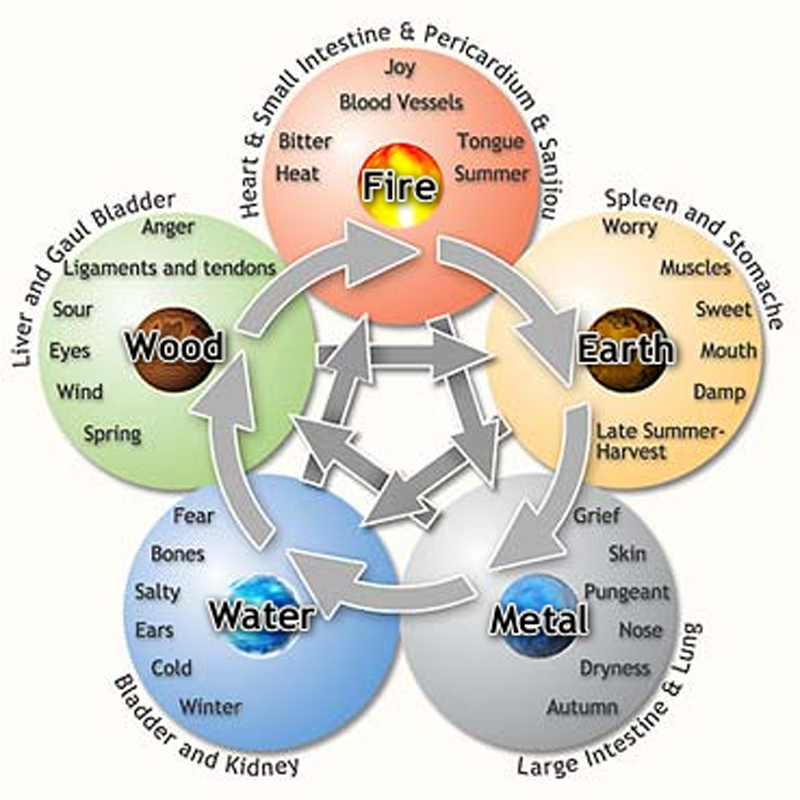
Integrated Health Care and Chiropractic Page

(more…)

Traditional Chinese Veterinary Medicine and Chiropractic

By |April 22, 2018|Acupuncture, Chiropractic Care|

Nontraditional Therapies (Traditional Chinese Veterinary Medicine and Chiropractic) in Exotic Animals

The Chiro.Org Blog


SOURCE:   Vet Clin North Am Exot Anim Pract. 2018 (May); 21 (2): 511–528


Jessica A. Marziani, DVM, CVA, CVC, CCRT

CARE Veterinary Services PLLC,
PO Box 132082, Houston, TX 77219, USA


The nontraditional therapies of Traditional Chinese Veterinary Medicine and chiropractic care are adjunct treatments that can be used in conjunction with more conventional therapies to treat a variety of medical conditions. Nontraditional therapies do not need to be alternatives to Western medicine but, instead, can be used simultaneously. Exotic animal practitioners should have a basic understanding of nontraditional therapies for both client education and patient referral because they can enhance the quality of life, longevity, and positive outcomes for various cases across multiple taxa.

Keywords:   Acupuncture; Alternative therapies; Chiropractic; Complementary therapies; Integrative therapies; Nontraditional therapies; Traditional Chinese Veterinary Medicine


From the FULL TEXT Article:

KEY POINTS

  • Nontraditional therapies can be used in conjunction with conventional Western therapies to enhance patient outcome.

  • Nontraditional therapies are often sought out by exotic pet owners; therefore,
    overall understanding is important for general practitioners.

  • Exotic animal species can benefit from the application of nontraditional therapies.

  • Traditional Chinese Veterinary Medicine is tailored to the individual patient
    to optimize health.

  • Chiropractic care can be used as preventative form of treatment and for
    chronic conditions.


INTRODUCTION

There are more articles like this @ our:

Acupuncture Section

(more…)

Dean Smith, D.C., PhD Becomes the 2018 ACA Researcher of the Year

By |April 21, 2018|Announcement|

Dean Smith, D.C., PhD Becomnes the 2018 ACA Researcher of the Year

The Chiro.Org Blog


SOURCE:   Miami University Apr 18, 2018


James M. Loy, Miami University


ACA Researcher of the Year Explores Chiropractic’s Untapped Potential

As with all health professions, there are still many mysteries surrounding chiropractic care. Even though the practice is growing, the extent of its effects and applications are not yet well known.

However, research and awareness continue to expand. And the American Chiropractic Association (ACA) has recently honored Dean Smith, Miami University senior clinical faculty member, for his contributions with the 2018 George B. McClelland Researcher of the Year Award.

Upon receiving the news, “I was in disbelief,” Smith says. “Because when I look at the list of previous winners, they are the stars of our profession. So I couldn’t believe anybody would think of me in that kind of category. This definitely surpasses anything I could even dream about.”

As an exercise science specialist in Miami’s College of Education, Health and Society, Smith explores the intersections of chiropractic treatment, exercise, and human performance. His work also studies how various adjustments can affect speed, accuracy, and postural control, as well as the overall quality of movement.

More recently, Smith and his colleagues completed a lengthy study funded by the U.S. Department of Defense. By working with special operation forces, they examined how chiropractic can impact the response rates of both simple and complicated movements.

“We had them do 100 button presses and we looked at how fast they could do them before and after a series of treatments,” says Smith. “And the results essentially showed that that particular task really seemed to show the effect. People got faster.”

His additional projects have demonstrated that as little as 30 minutes of exercise can also improve movement time, and that lower body joint adjustments can improve the balance of healthy young adults.

And alongside his research, Smith also founded and hosts a podcast called Chiropractic Science, which brings together leading researchers and professionals to discuss current trends and new findings.

(more…)