

Support Chiropractic Research!

Frank M. Painter

About Frank M. Painter

I was introduced to Chiro.Org in early 1996, where my friend Joe Garolis helped me learn HTML, the "mark-up language" for websites. We have been fortunate that journals like JMPT have given us permission to reproduce some early important articles in Full-Text format. Maintaining the Org website has been, and remains, my favorite hobby.

A Modern Neuroscience Approach to Chronic Spinal Pain

By |February 23, 2018|Chronic Spinal Pain|

A Modern Neuroscience Approach to Chronic Spinal Pain:
Combining Pain Neuroscience Education with Cognition-targeted Motor Control Training

The Chiro.Org Blog


SOURCE:   Phys Ther. 2014 (May); 94 (5): 730–738


Jo Nijs, Mira Meeus, Barbara Cagnie, Nathalie A. Roussel, Mieke Dolphens, Jessica Van Oosterwijck, Lieven Danneels

Pain in Motion Research Group,
Departments of Human Physiology and Physiotherapy,
Faculty of Physical Education & Physiotherapy,
Vrije Universiteit
Brussels, Belgium
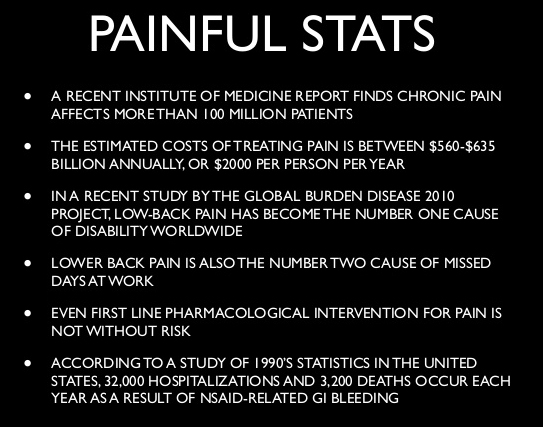

Chronic spinal pain (CSP) is a severely disabling disorder, including nontraumatic chronic low back and neck pain, failed back surgery, and chronic whiplash-associated disorders. Much of the current therapy is focused on input mechanisms (treating peripheral elements such as muscles and joints) and output mechanisms (addressing motor control), while there is less attention to processing (central) mechanisms. In addition to the compelling evidence for impaired motor control of spinal muscles in patients with CSP, there is increasing evidence that central mechanisms (ie, hyperexcitability of the central nervous system and brain abnormalities) play a role in CSP. Hence, treatments for CSP should address not only peripheral dysfunctions but also the brain. Therefore, a modern neuroscience approach, comprising therapeutic pain neuroscience education followed by cognition-targeted motor control training, is proposed. This perspective article explains why and how such an approach to CSP can be applied in physical therapist practice.


From the FULL TEXT Article:

Introduction

Chronic spinal pain (CSP) includes nonrecurrent chronic low back pain, failed back surgery, chronic whiplash-associated disorders, and chronic nontraumatic neck pain, among other conditions, and accounts for a large proportion of the chronic pain population. [1] Chronic spinal pain is a severely disabling disorder characterized by tremendous personal and socioeconomic impact, with long-term sick leave, low quality of life, and very high socioeconomic costs. [2]

There are more articles like this @ our:
Spinal Pain Management Page

(more…)

Conservative Spine Care: Opportunities to Improve the Quality

By |February 21, 2018|Integrative Care|

Conservative Spine Care: Opportunities to Improve the Quality and Value of Care

The Chiro.Org Blog


SOURCE:   Popul Health Manag. 2013 (Dec); 16 (6): 390–396


Thomas M. Kosloff, DC, David Elton, DC, Stephanie A. Shulman, DVM, MPH, Janice L. Clarke, RN, Alexis Skoufalos, EdD, and Amanda Solis, MS

Physical Health, Optum Health,
Kingston, New York.


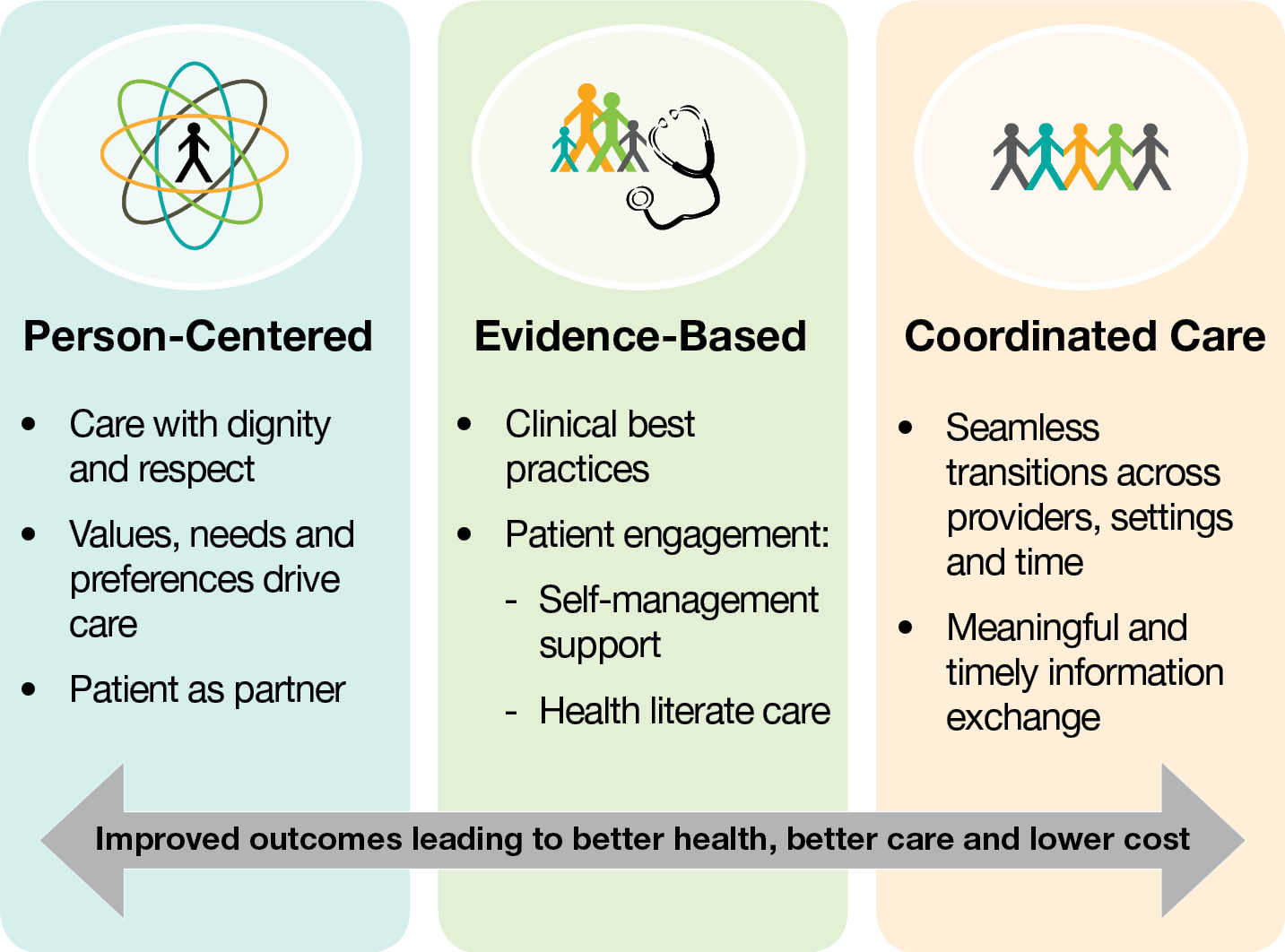
Low back pain (LBP) has received considerable attention from researchers and health care systems because of its substantial personal, social, work-related, and economic consequences. A narrative review was conducted summarizing data about the epidemiology, care seeking, and utilization patterns for LBP in the adult US population. Recommendations from a consensus of clinical practice guidelines were compared to findings about the current state of clinical practice for LBP. The impact of the first provider consulted on the quality and value of care was analyzed longitudinally across the continuum of episodes of care. The review concludes with a description of recently published evidence that has demonstrated that favorable health and economic outcomes can be achieved by incorporating evidence-informed decision criteria and guidance about entry into conservative low back care pathways.


From the FULL TEXT Article:

Introduction

The united states has the most expensive and complex health care system in the world, [1] yet the magnitude of funds spent on the system has failed to provide commensurate benefits in terms of quality, access, and cost performance. [2]

There are more articles like this @ our:

Integrated Health Care and Chiropractic Page and the:

Chiropractors as the Spinal Health Care Experts Page

(more…)

Core and Complementary Chiropractic

By |February 20, 2018|Chiropractic Care|

Core and Complementary Chiropractic:
Lowering Barriers to Patient Utilization of Services

The Chiro.Org Blog


SOURCE:   J Chiropractic Humanities 2016 (Sep 15);   23 (1):   1-13


John J. Triano, DC, PhD and Marion McGregor, DC, PhD

Graduate Education and Research Program,
Canadian Memorial Chiropractic College,
Toronto, ON, Canada


OBJECTIVE:   The use of chiropractic services has stalled while interest in accessing manipulation services is rising. The purpose of this paper is to consider this dilemma in the context of the dynamics of professional socialization, surveys of public attitudes, and a potential strategic action.

DISCUSSION:   This is a reflection work grounded in the literature on professional socialization and the attitudes held regarding chiropractic in modern society, to include its members, and in original data on training programs. Data were interpreted on the background of the authors’ cross-cultural experiences spanning patient care, research, education, and interprofessional collaboration. Recommendation on a strategic action to counter barriers in patient referrals was synthesized. Professional socialization is the process by which society enables professional privilege. Illustration of typical and divergent professional socialization models emerged that explain cognitive dissonance toward the profession. Questions of trust are commensurate with the experiences during patient encounters rather than with a common identity for the profession. Diversity among encounters perpetuates the uncertainty that affects referral sources. Commonality as an anchor for consistent professional identity and socialization through the content of core chiropractic, defined by training and practice, offers a means to offset uncertainty. Complementary chiropractic, analogous to complementary medicine, provides an outlet under professional socialization for the interests to explore additional methods of care.

There are more articles like this @ our:
All About Chiropractic Page

(more…)

Tone as a Health Concept: An Analysis

By |February 19, 2018|Chiropractic Care|

Tone as a Health Concept: An Analysis

The Chiro.Org Blog


SOURCE:   Complement Ther Clin Pract. 2017 (Nov); 29: 27–34


Donald McDowall, Elizabeth Emmanuel, Sandra Grace, Marilyn Chaseling

School of Health and Human Sciences,
Gold Coast, Southern Cross University,
Lismore, NSW, Australia


STUDY DESIGN:   Concept analysis.

INTRODUCTION:   This paper is a report on the analysis of the concept of tone in chiropractic.

PURPOSE:   The purpose of this paper is to clarify the concept of tone as originally understood by Daniel David Palmer from 1895 to 1914 and to monitor its evolution over time.

METHODS:   Data was sourced from Palmer’s original work, published between 1895 and 1914. A literature search from 1980 to 2016 was also performed on the online databases CINHAL, PubMed and Scopus with key terms including ‘tone’, ‘chiropractic’, ‘Palmer’, ‘vitalism’, ‘health’, ‘homeostasis’, ‘holism’ and ‘wellness’. Finally hand-searches were conducted through chiropractic books and professional literature from 1906 to 1980 for any references to ‘tone’. Rodgers’ evolutionary method of analysis was used to categorise the data in relation to the surrogates, attributes, references, antecedents and consequences of tone.

RESULTS:   A total of 49 references were found: five from publications by Palmer; three from the database searches, and; the remaining 41 from professional books, trade journals and websites.

There are more articles like this @ our:
All About Chiropractic Page

(more…)

Contemporary Biopsychosocial Exercise Prescription for Chronic Low Back Pain

By |February 16, 2018|Exercise and Chiropractic|

Contemporary Biopsychosocial Exercise Prescription for Chronic Low Back Pain:
Questioning Core Stability Programs and Considering Context

The Chiro.Org Blog


SOURCE:   J Can Chiropr Assoc. 2017 (Mar); 61 (1): 6–17


Peter Stilwell, B Kin, DC, MSc and Katherine Harman, PT, PhD

Dalhousie University,
5869 University Ave.
PO Box 15000
Halifax, NS B3H 4R2


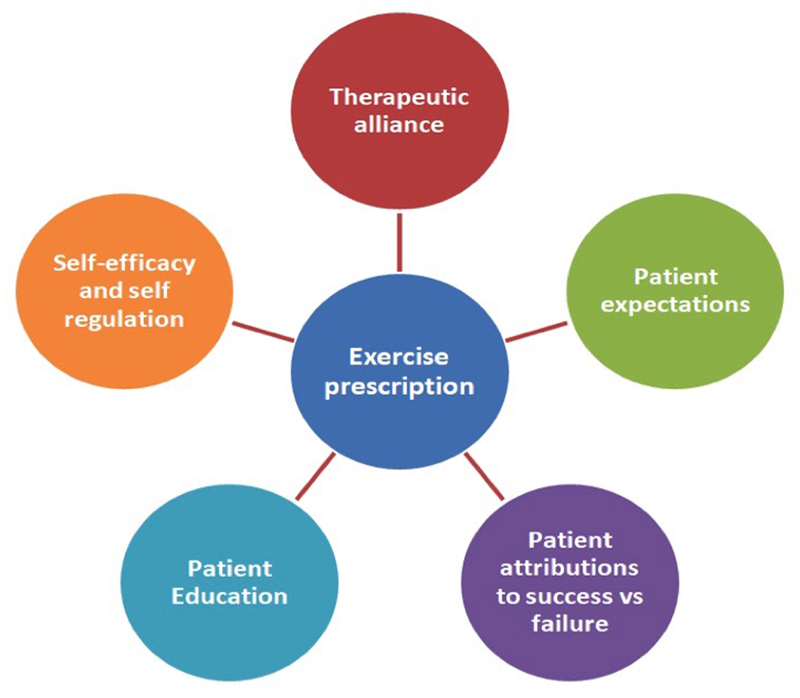
This commentary explores the importance of considering the biopsychosocial model and contextual factors when prescribing exercise. Diverse exercise programs for patients with chronic low back pain (CLBP) produce similar outcomes, without one specific exercise protocol demonstrating clear superiority. One clear barrier to positive outcomes is poor exercise adherence. We suggest that there are certain common contextual factors present in all exercise prescription scenarios that may impact adherence and health-related outcomes. While challenging common core stability exercise prescription, we present an argument for enhancing and intentionally shaping the following contextual factors: the therapeutic alliance, patient education, expectations and attributions of therapeutic success or failure, and mastery or cognitive control over a problem. Overall, this commentary argues that to improve exercise adherence and outcomes in the CLBP population, the context in which exercise is delivered and the meaning patients embody need to be considered and shaped by clinicians.

KEYWORDS:   chiropractic; chronic; exercise; low back pain; prescription


From the FULL TEXT Article:

Burden of low back pain

Low back pain (LBP) is the leading cause of disability worldwide. [1] Many individuals with a LBP episode will not be pain-free within a year, despite seeking care from a general practitioner or chiropractor. [2] Although many individuals with acute LBP (pain for less than three weeks) see improvements over time; up to 73% will have a recurrence within 12 months. [3]

There are more articles like this @ our:
Exercise and Chiropractic Page

(more…)

Evidence for Brain Glucose Dysregulation in Alzheimer’s Disease

By |February 13, 2018|Alzheimer's Disease|

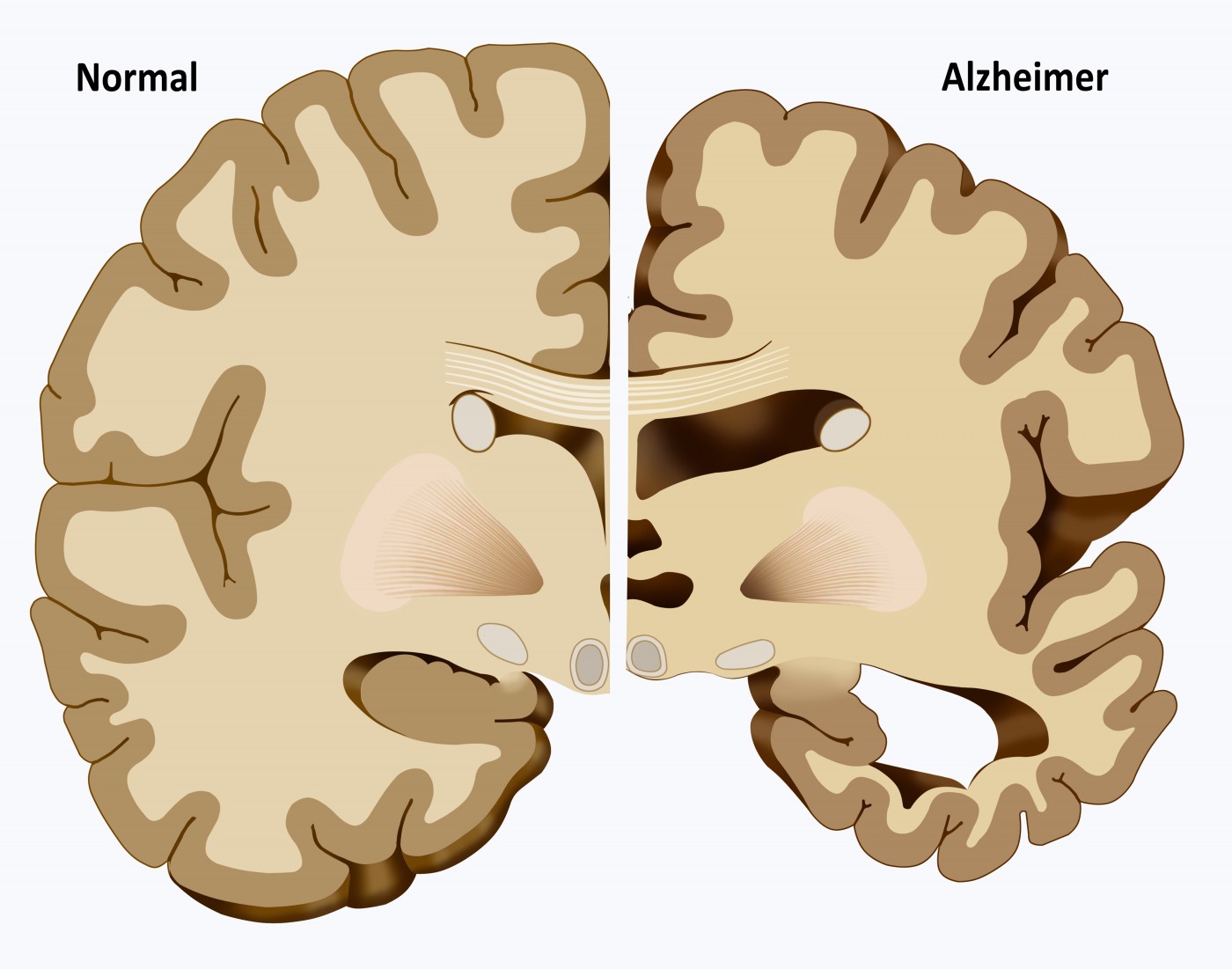
Evidence for Brain Glucose Dysregulation in Alzheimer’s Disease

The Chiro.Org Blog


SOURCE:   Alzheimers Dement. 2017 (Oct 19) [Epub]


Yang An, Vijay R. Varma, Sudhir Varma, Ramon Casanova, Eric Dammer et al.

Laboratory of Behavioral Neuroscience,
National Institute on Aging (NIA),
National Institutes of Health (NIH),
Baltimore, MD, USA.


INTRODUCTION:   It is unclear whether abnormalities in brain glucose homeostasis are associated with Alzheimer’s disease (AD) pathogenesis.

METHODS:   Within the autopsy cohort of the Baltimore Longitudinal Study of Aging, we measured brain glucose concentration and assessed the ratios of the glycolytic amino acids, serine, glycine, and alanine to glucose. We also quantified protein levels of the neuronal (GLUT3) and astrocytic (GLUT1) glucose transporters. Finally, we assessed the relationships between plasma glucose measured before death and brain tissue glucose.

RESULTS:   Higher brain tissue glucose concentration, reduced glycolytic flux, and lower GLUT3 are related to severity of AD pathology and the expression of AD symptoms. Longitudinal increases in fasting plasma glucose levels are associated with higher brain tissue glucose concentrations.

There’s more info like this in our:

Nutrition Section

(more…)