Support Chiropractic Research!

Frank M. Painter

About Frank M. Painter

I was introduced to Chiro.Org in early 1996, where my friend Joe Garolis helped me learn HTML, the "mark-up language" for websites. We have been fortunate that journals like JMPT have given us permission to reproduce some early important articles in Full-Text format. Maintaining the Org website has been, and remains, my favorite hobby.

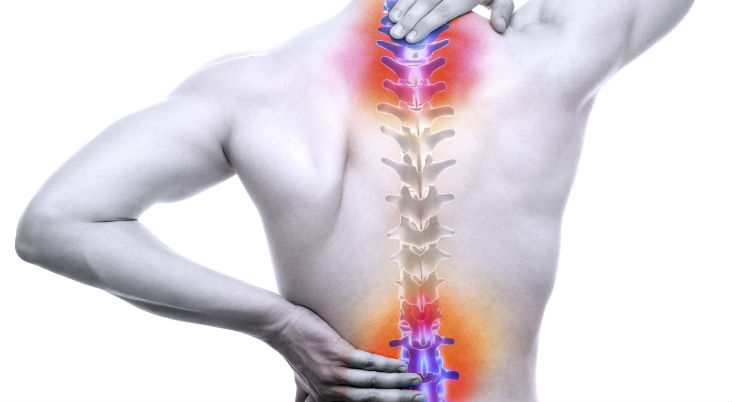
Global Low Back Pain Prevalence and Years Lived with Disability from 1990 to 2017: Estimates from the Global Burden of Disease Study 2017

By |April 9, 2021|Global Burden of Disease, Low Back Pain|

Global Low Back Pain Prevalence and Years Lived with Disability from 1990 to 2017: Estimates from the Global Burden of Disease Study 2017

The Chiro.Org Blog


SOURCE:  Annals of Translational Medicine 2020 (Mar); 8 (6): 299

Aimin Wu, Lyn March, Xuanqi Zheng, Jinfeng Huang, Xiangyang Wang et. al.

Division of Spine Surgery,
Department of Orthopaedics,
Zhejiang Spine Surgery Centre,
The Second Affiliated Hospital of Wenzhou Medical University,
Zhejiang Provincial Key Laboratory of Orthopaedics,
Wenzhou 325027, China.



Background:   Low back pain (LBP) is a common musculoskeletal problem globally. Updating the prevalence and burden of LBP is important for researchers and policy makers. This paper presents, compares and contextualizes the global prevalence and years lived with disability (YLDs) of LBP by age, sex and region, from 1990 to 2017.

Methods:   Data were extracted from the GBD (the Global Burden of Disease, Injuries, and Risk Factors Study) 2017 Study. Age, sex and region-specific analyses were conducted to estimate the global prevalence and YLDs of LBP, with the uncertainty intervals (UIs).

Results:   The age-standardized point prevalence of LBP was 8.20% (95% UI: 7.31-9.10%) in 1990 and decreased slightly to 7.50% (95% UI: 6.75-8.27%) in 2017. The prevalent numbers of people with LBP at any one point in time in 1990 was 377.5 million, and this increased to 577.0 million in 2017. Age-standardized prevalence of LBP was higher in females than males. LBP prevalence increased with age, and peaked around the ages of 80 to 89 years, and then decreased slightly. Global YLDs were 42.5 million (95% UI: 30.2 million-57.2 million) in 1990 and increased by 52.7% to 64.9 million (95% UI: 46.5 million-87.4 million) in 2017. YLDs were also higher in females than males and increased initially with age; they peaked at 35-39 years of age in 1990, before decreasing, whereas in 2017, they peaked at 45-49 years of age, before decreasing. Western Europe had the highest number of LBP YLDs.

There are more articles like this @ our:

LOW BACK PAIN Section and the:

GLOBAL BURDEN OF DISEASE Section

(more…)

Association Between the Type of First Healthcare Provider and the Duration of Financial Compensation for Occupational Back Pain

By |April 4, 2021|Uncategorized|

Association Between the Type of First Healthcare Provider and the Duration of Financial Compensation for Occupational Back Pain

The Chiro.Org Blog


SOURCE:   Journal of Occupational Rehabilitation 2017 (Sep)

Marc-André Blanchette, Michèle Rivard, Clermont E. Dionne, Sheilah Hogg-Johnson, Ivan Steenstra

Public Health PhD Program,
School of Public Health,
University of Montreal,
Montreal, QC, Canada.


Objective   To compare the duration of financial compensation and the occurrence of a second episode of compensation of workers with occupational back pain who first sought three types of healthcare providers.

Methods   We analyzed data from a cohort of 5,511 workers who received compensation from the Workplace Safety and Insurance Board for back pain in 2005. Multivariable Cox models controlling for relevant covariables were performed to compare the duration of financial compensation for the patients of each of the three types of first healthcare providers. Logistic regression was used to compare the occurrence of a second episode of compensation over the 2–year follow-up period.

Results   Compared with the workers who first saw a physician (reference), those who first saw a chiropractor experienced shorter first episodes of 100 % wage compensation (adjusted hazard ratio [HR] = 1.20 [1.10–1.31], P value < 0.001), and the workers who first saw a physiotherapist experienced a longer episode of 100 % compensation (adjusted HR = 0.84 [0.71–0.98], P value = 0.028) during the first 149 days of compensation. The odds of having a second episode of financial compensation were higher among the workers who first consulted a physiotherapist (OR = 1.49 [1.02–2.19], P value = 0.040) rather than a physician (reference).

There are more articles like this @ our:

Cost-Effectiveness of Chiropractic Page

(more…)

Exposure to a Motor Vehicle Collision and the Risk of Future Back Pain: A Systematic Review and Meta-Analysis

By |March 16, 2021|Low Back Pain, Motor Vehicle Accident|

Exposure to a Motor Vehicle Collision and the Risk of Future Back Pain: A Systematic Review and Meta-Analysis

The Chiro.Org Blog


SOURCE:   Accident; Analysis and Prevention 2020 (May 18)

Paul S Nolet, Peter C Emary, Vicki L Kristman, Kent Murnaghan, Maurice P Zeegers, Michael D Freeman

Care and Public Health Research Institute,
Maastricht University,
Maastricht, Netherlands


Objective:   The purpose of this study is to summarize the evidence for the association between exposure to a motor vehicle collision (MVC) and future low back pain (LBP).

Literature survey:   Persistent low back pain (LBP) is a relatively common complaint after acute injury in a MVC, with a reported 1 year post-crash prevalence of at least 31 % of exposed individuals. Interpretation of this finding is challenging given the high incidence of LBP in the general population that is not exposed to a MVC. Risk studies with comparison control groups need to be examined in a systematic review.

Methodology:   A systematic search of five electronic databases from 1998 to 2019 was performed. Eligible studies describing exposure to a MVC and risk of future non-specific LBP were critically appraised using the Quality in Prognosis Studies (QUIPS) instrument. The results were summarized using best-evidence synthesis principles, a random effects meta-analysis and testing for publication bias.

Synthesis:   The search strategy yielded 1,136 articles, three of which were found to be at low to medium risk of bias after critical appraisal. All three studies reported a positive association between an acute injury in a MVC and future LBP.

There are more articles like this @ our:

LOW BACK PAIN Page

(more…)

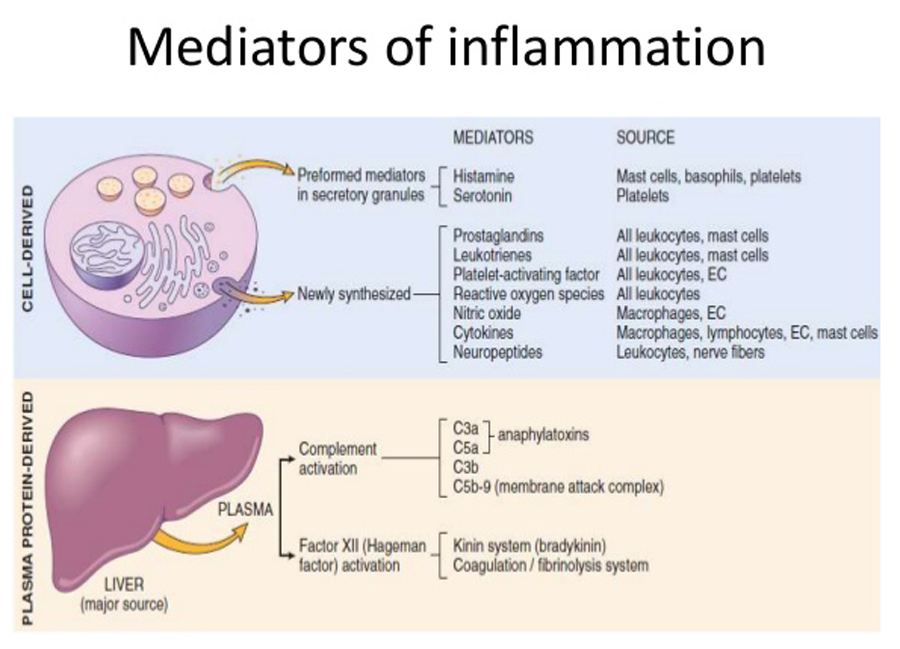
Effects of Spinal Manipulative Therapy

By |January 9, 2021|Inflammatory Mediators, Low Back Pain|

Effects of Spinal Manipulative Therapy on Inflammatory Mediators in Patients with Non-specific Low Back Pain: A Non-randomized Controlled Clinical Trial

The Chiro.Org Blog


SOURCE:   Chiropractic & Manual Therapies 2021 (Jan 8)

Julita A. Teodorczyk-Injeyan, John J. Triano, Robert Gringmuth, Christopher DeGraauw, Adrian Chow & H. Stephen

Graduate Education and Research Programs,
Canadian Memorial Chiropractic College,
Toronto, Ontario, Canada


Background:   The inflammatory profiles of patients with acute and chronic nonspecific low back pain (LBP) patients are distinct. Spinal manipulative therapy (SMT) has been shown to modulate the production of nociceptive chemokines differently in these patient cohorts. The present study further investigates the effect(s) of SMT on other inflammatory mediators in the same LBP patient cohorts.

Methods:   Acute (n = 22) and chronic (n = 25) LBP patients with minimum pain scores of 3 on a 10-point numeric scale, and asymptomatic controls (n = 24) were recruited according to stringent exclusion criteria. Blood samples were obtained at baseline and after 2 weeks during which patients received 6 SMTs in the lumbar or lumbosacral region. The in vitro production of tumor necrosis factor (TNFα), interleukin-1 β (IL-1β), IL-6, IL-2, interferon γ (IFNγ), IL-1 receptor antagonist (IL-1RA), TNF soluble receptor type 2 (sTNFR2) and IL-10 was determined by specific immunoassays. Parametric as well as non-parametric statistics (PAST 3.18 beta software) was used to determine significance of differences between and within study groups prior and post-SMT. Effect size (ES) estimates were obtained using Cohen’s d.

There are more articles like this @ our:

LOW BACK PAIN Page

(more…)

Experiences With Chiropractic Care for Patients

By |December 14, 2020|Uncategorized|

Experiences With Chiropractic Care for Patients With Low Back or Neck Pain

The Chiro.Org Blog


SOURCE:   J Patient Exp 2020 Jun;   7 (3):   357–364


Ron D Hays, PhD, Cathy D Sherbourne, PhD, Karen L Spritzer, BS, Lara G Hilton, PhD, MPH,
Gery W Ryan, PhD, Ian D Coulter, PhD, and Patricia M Herman, ND, PhD

Division of General Internal Medicine & Health Services Research,
UCLA Department of Medicine,
Los Angeles, CA, USA.


Background:   Musculoskeletal disorders are the second leading cause of disability worldwide.

Objective:   Examine experiences of chiropractic patients in the United States with chronic low back or neck pain.

Method: &nbsp Observational study of 1853 chronic low back pain and neck pain patients (74% female) who completed an online questionnaire at the 3-month follow-up that included Consumer Assessment of Healthcare Providers and Systems (CAHPS) items assessing their experiences with care.

Results:   We found similar reports of communication for the chiropractic sample and patients in the 2016 CAHPS National Database, but 85% in the database versus 79% in the chiropractic sample gave the most positive response to the time spent with provider item. More patients in the CAHPS database rated their provider at the top of the scale (8 percentage points). More chiropractic patients reported always getting answers to questions the same day (16 percentage points) and always being seen within 15 minutes of their appointment time (29 percentage points).

Conclusions:   The positive experiences of patients with chronic back and neck pain are supportive of their use of chiropractic care.

There are more articles like this @ our:

CHRONIC NECK PAIN Section and our

LOW BACK PAIN Section

(more…)

Neck Pain Patterns and Subgrouping

By |December 6, 2020|Chronic Neck Pain|

Neck Pain Patterns and Subgrouping Based on Weekly SMS-derived Trajectories

The Chiro.Org Blog


SOURCE:   BMC Musculoskelet Disord 2020 (Oct 14)

P. Irgens, A. Kongsted, B. L. Myhrvold, K. Waagan, K. B. Engebretsen, B. Natvig, N. K. Vøllestad, and H. S. Robinson

Department of Interdisciplinary Health Sciences,
Institute of Health and Society,
University of Oslo, P.O. Box 1089,
Blindern, 0317, Oslo, Norway.


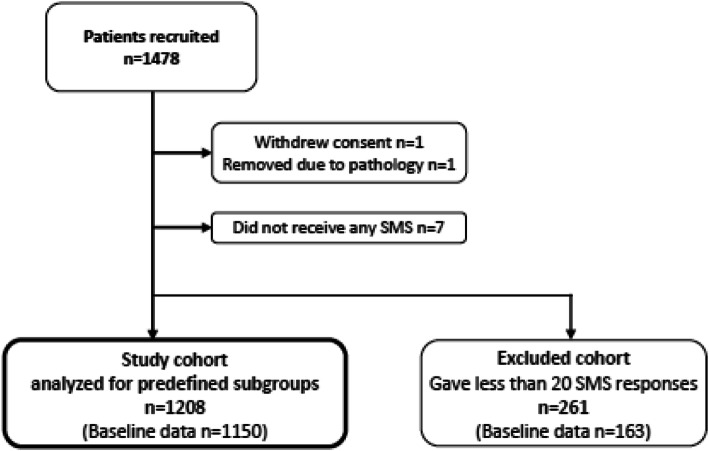
Background: Neck and low back pain represent dynamic conditions that change over time, often with an initial improvement after the onset of a new episode, followed by flare-ups or variations in intensity. Pain trajectories were previously defined based on longitudinal studies of temporal patterns and pain intensity of individuals with low back pain. In this study, we aimed to 1) investigate if the defined patterns and subgroups for low back pain were applicable to neck pain patients in chiropractic practice, 2) explore the robustness of the defined patterns, and 3) investigate if patients within the various patterns differ concerning characteristics and clinical findings.

Methods: Prospective cohort study including 1208 neck pain patients from chiropractic practice. Patients responded to weekly SMS-questions about pain intensity and frequency over 43 weeks. We categorized individual responses into four main patterns based on number of days with pain and variations in pain intensity, and subdivided each into four subgroups based on pain intensity, resulting in 16 trajectory subgroups. We compared baseline characteristics and clinical findings between patterns and between Persistent fluctuating and Episodic subgroups.

Results: All but two patients could be classified into one of the 16 subgroups, with 94% in the Persistent fluctuating or Episodic patterns.

There are more articles like this @ our:

CHRONIC NECK PAIN Section

(more…)