Support Chiropractic Research!

BLOG

Chiropractic Science – Podcast interview with Scott Haldeman

By |February 9, 2018|Podcast|

Source Chiropractic Science

Dr. Haldeman is a pioneer of chiropractic science and a world leader in spine research. Dr. Haldeman holds the positions of Adjunct Professor, Department of Epidemiology, School of Public Health, University of California, Los Angeles, and Clinical Professor, Department of Neurology, University of California, Irvine.

He is Past President of the North American Spine Society, the American Back Society, the North American Academy of Manipulative Therapy, and the Orange County Neurological Society, and is currently Chairman Emeritus of the Research Council of the World Federation of Chiropractic. He is certified by the American Board of Neurology and Psychiatry and is a Fellow of the Royal College of Physicians of Canada and a Fellow of the American Academy of Neurology. He is a Diplomate of the American Board of Electrodiagnostic Medicine, the American Board of Electroencephalography and Neurophysiology and the American Board of Clinical Physiology. He also served on the US department of Health AHCPR Clinical Guidelines Committee on Acute Low Back Problems in Adults as well as four other Clinical Guidelines Committees. He presided over The Bone and Joint Decade 2000 to 2010 Task Force on Neck Pain and Its Associated Disorders.

You can find the podcast here.

He also happens to be the uncle of innovator Elon Musk.
Positive Patient Outcome After Spinal Manipulation

By |February 8, 2018|Cervical Angina|

Positive Patient Outcome After Spinal Manipulation in a Case of Cervical Angina

The Chiro.Org Blog


SOURCE:   Man Ther. 2009 (Dec);   14 (6):   702–705


Steven R. Passmore, Andrew S. Dunn

Veterans Affairs of Western New York Health Care System,
Buffalo, New York, USA.


Introduction

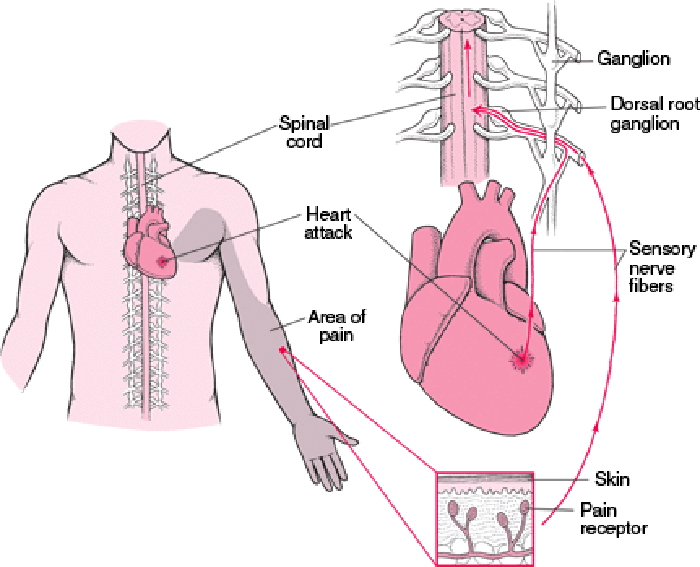
When angina pectoris is suspected but adequately ruled out, upper anterior chest pain and related symptoms may be attributed to cervical angina, particularly in the presence of radiculopathy and myelopathy (Nakajima et al., 2006). Cervical angina is theorized to involve the C6, C7, or T1 nerve roots, and possibly the medial and lateral pectoral nerves (Jacobs, 1990; Freccero and Donovan, 2005). While the prevalence of cervical angina is not completely clear, it is described as a virtually unknown and neglected clinical syndrome that may not be uncommon but is under diagnosed (Nakajima et al., 2006; Christensen et al., 2005). Aside from cardiac enzyme and exercise tolerance testing, Christensen et al. (2005) suggest cervical angina is potentially recognized from true angina through manual palpation of the spine and thorax.

There are more articles like this @ our:

What is the Chiropractic Subluxation Page

Manual palpation for locating vertebral joint dysfunction is most reliably indicated through eliciting tenderness (Jull et al., 1988; Hubka and Phelan, 1994; Haavik-Taylor and Murphy, 2007). Further diagnostic tactics that may discern cervical from true angina may include improvement after corticotrophin therapy but not glyceryl trinitrate, normal temperature, and lack of vasomotor changes (Grieve,1988). However, upon recognition of the presentation, what is an appropriate course of care for cervical angina? Nakajima et al. (2006) suggest that anterior cervical surgical procedures that alleviate compression on nerve roots or the spinal cord and may be palliative. The same authors also mention surgery should be avoided until conservative measures have been exhausted, but caution the use of ‘‘aimless conservative therapy’’ (Nakajima et al., 2006). So the question remains what is an appropriate, focused approach to the conservative treatment of cervical angina? Furthermore, what type of intervention and treatment frequency should be recommended and what is the sustainability of such an intervention?

This paper follows the case of a patient with cervical angina in whom radiographic findings can be correlated to patient presentation. The symptoms of cervical angina responded to a brief course of spinal manipulative therapy (SMT) targeted at the cervicothoracic junction, a novel finding previously absent in the literature.


Case description

History


Read the rest of this Full Text article now!


Changes in Female Veterans’ Neck Pain Following Chiropractic Care

By |February 7, 2018|Veterans|

Changes in Female Veterans’ Neck Pain Following Chiropractic Care at a Hospital for Veterans

The Chiro.Org Blog


SOURCE:   Complement Ther Clin Pract. 2018 (Feb); 30: 91–95


Kelsey L.Corcoran DC, Andrew S.Dunn DC, MEd, MS, Bart N.Green DC, MSEd, PhD, Lance R.Formolo DC, MS, Gregory P.Beehler PhD, MA

Chiropractic Department,
Medical Care Line,
VA Western New York,
3495 Bailey Ave,
Buffalo, NY 14215, USA


OBJECTIVE:   To determine if U.S. female veterans had demonstrable improvements in neck pain after chiropractic management at a Veterans Affairs (VA) hospital.

METHODS:   This was a retrospective cross-sectional study of medical records from female veterans attending a VA chiropractic clinic for neck pain from 2009 to 2015. Paired t-tests were used to compare baseline and discharge numeric rating scale (NRS) and Neck Bournemouth Questionnaire (NBQ) scores with a minimum clinically important difference (MCID) set at a 30% change from baseline.

RESULTS:   Thirty-four veterans met the inclusion criteria and received a mean of 8.8 chiropractic treatments. For NRS, the mean score improvement was 2.7 (95%CI, 1.9–3.5, p < .001). For the NBQ, the mean score improvement was 13.7 (95%CI, 9.9–17.5, p < .001). For the MCID, the average percent improvement was 45% for the NRS and 38% for the NBQ.

There are more articles like this @ our:

Chronic Neck Pain Page and the:

Chiropractic Care For Veterans Page

(more…)

The Impact of Pain-related Fear on Neural Pathways of Pain

By |February 5, 2018|Pain-related Fear|

The Impact of Pain-related Fear on Neural Pathways of Pain Modulation in Chronic Low Back Pain

The Chiro.Org Blog


SOURCE:   Pain Rep. 2017 (Apr 11); 2 (3): e601


Michael Lukas Meiera, Philipp Stampfli, Barry Kim Humphreys, Andrea Vrana, Erich Seifritz, Petra Schweinhardt

Department of Chiropractic Medicine,
Interdisciplinary Spinal Research,
University Hospital Balgrist,
Zurich, Switzerland.


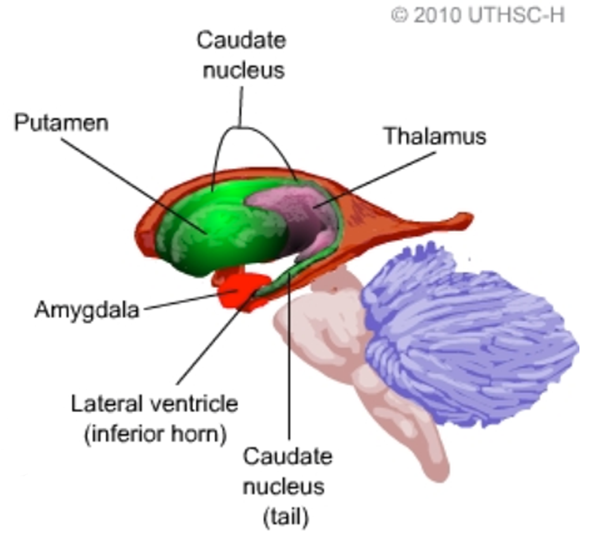
INTRODUCTION:   Pain-related fear plays a substantial role in chronic low back pain (LBP) by amplifying the experienced disability. Related dysfunctional emotions and cognitions may also affect sensory aspects of pain through a modulatory pathway in which the periaqueductal gray (PAG) and the amygdala play key roles.

OBJECTIVES:   We therefore hypothesized a differential amygdala-PAG functional connectivity (FC) in patients with chronic LBP that is modulated by the degree of pain-related fear.

METHODS:   We used data of a previously reported fMRI study where 20 chronic LBP patients (7 females, mean age = 39.35) and 20 healthy controls (12 females, mean age = 32.10) were asked to observe video clips showing potentially harmful and neutral activities for the back. Pain-related fear was assessed using the Tampa Scale of kinesiophobia (TSK) and Fear Avoidance Beliefs questionnaires (FABQ). Generalized psychophysiological interactions were used to reveal task-based FC.

RESULTS:   Compared to controls, patients exhibited a significant decrease in amygdala-PAG-FC (P = 0.022) during observation of harmful activities, but not of neutral activities. Furthermore, amygdala-PAG-FC correlated negatively with Tampa Scale of kinesiophobia scores in patients (R2 = 0.28, P = 0.01) but not with Fear Avoidance Beliefs questionnaires scores.

There are more articles like this @ our:

Low Back Pain Page and the:

Biopsychosocial Model Page and the:

Spinal Pain Management Page

(more…)

My Rotation Through a VA Pain Medicine Clinic

By |January 31, 2018|Integrative Care|

My Rotation Through a VA Pain Medicine Clinic

The Chiro.Org Blog


SOURCE:   ACA News ~ January 29, 2018


By Stephanie Halloran, DC


Part of a series on the chiropractic residency program in the VA health care system


Some of the most valuable knowledge you gain in the Veterans Affairs (VA) chiropractic residency program comes from rotating in other specialties. Within the VA Connecticut Healthcare System, I rotate at both the West Haven and Newington locations. Thus far, I have spent time in rheumatology, physiatry, women’s clinic (primary care), neurology, pain medicine and the interventional pain clinic. Although each rotation has contributed greatly to my clinical acumen, this post will primarily focus on pain medicine.

Pain medicine is a medical subspecialty generally comprised of anesthesiologists, physiatrists or neurologists who have completed an additional one-year post-residency fellowship. As the name implies, these specialists manage overall pain with a goal of improving quality of life for patients. In the private sector, this is done through a combination of medication and interventional procedures, while in the VA the focus is primarily on the latter. This is due to the VA system allocating the majority of medication management to primary care physicians. That’s not to say a VA pain physician will not provide suggestions for medication management when indicated, but they will not prescribe or manage this medication.

Within the VA system, pain management generally manages spinal conditions such as stenosis, non-surgical disc herniation, musculoskeletal trigger points, symptomatic spondylosis and unspecified radicular pain with absence of progressive neurological deficits. Sound familiar? Essentially, this department treats very similar conditions as chiropractors treat but with interventional procedures.

If you are like me at the beginning of my residency, you are currently asking, or have already Googled, what interventional procedures are. Interventional procedures include medial branch block, radiofrequency ablation, epidural steroid injection, sacroiliac (SI) joint corticosteroid injection and musculoskeletal trigger point corticosteroid injection. Intervention selection is determined by identifying the most likely pain generator and presence or absence of radicular symptoms. Below I have broken down each procedure into axial and radicular categories and provided a brief explanation of the goal.

Axial pain: symptomatic spondylosis, SI joint arthritis/dysfunction

(more…)

Welcome to Soul Train

By |January 30, 2018|Announcement|

Welcome to Soul Train

The Chiro.Org Blog


I am a child of the 60s, and I fell in love with Soul Music, jazz and rock, and you usually heard them all mashed together on most radio stations, especially on underground FM stations.

Although this is a test of how our new blog format displays YouTube embedded music, it’s also a chance to display some of the best in Soul.

First off is Eddie Floyd’s 1967 hit “Knock On Wood”, but it’s served up by a musician few knew had a passion for Soul music. Hats off to Eric for doing a superior version that does great honor to the original.

0


Our next video combines 2 unique singers doing a rendition of “Stormy Monday”

In 1988, sax player David Sanborn was asked to create a one-hour music show to debut right after Saturday Night Live. WOW, talk about a hot lead-in!

This song should knock yer sox off!

(more…)