Support Chiropractic Research!

BLOG

Preferences for Web-Based Information Material for Low Back Pain

By |April 11, 2018|Patient Expectations|

Preferences for Web-Based Information Material for Low Back Pain:
Qualitative Interview Study on People Consulting a General Practitioner

The Chiro.Org Blog


SOURCE:   JMIR Rehabil Assist Technol. 2018 (Apr 2); 5 (1): e7


Allan Riis, PhD; Ditte Meulengracht Hjelmager, MSc; Line Dausel Vinther, MSc; Michael Skovdal Rathleff, PhD; Jan Hartvigsen, PhD; Martin Bach Jensen, MD, PhD

Research Unit for General Practice in Aalborg,
Department of Clinical Medicine,
Aalborg University,
Aalborg, Denmark.


BACKGROUND:   Information on self-management, including addressing people’s fears and concerns, are core aspects of managing patients with low back pain (LBP). Web apps with patient information may be used to extend patient-physician consultations and encourage self-management outside of the consultation room. It is, however, important to identify the end users’ needs and preferences in order to maximize acceptance.

OBJECTIVE:   The aim of this study was to identify preferences for the content, design, and functionality of a Web app with evidence-based information and advice for people with LBP in Denmark.

METHODS:   This is a phenomenological qualitative study. Adults who had consulted their general practitioner because of LBP within the past 14 days were included. Each participated in a semistructured interview, which was audiotaped and transcribed for text condensation. Interviews were conducted at the participant’s home by 2 interviewers. Participants also completed a questionnaire that requested information on age, gender, internet usage, interest in searching new knowledge, LBP-related function, and pain.

RESULTS:   Fifteen 45-min interviews were conducted. Participants had a median age of 40 years (range 22-68 years) and reported a median disability of 7 points (range 0-18) using the 23-item Roland Morris Disability Questionnaire. Participants reported that Web-based information should be easy to find and read, easily overviewed, and not be overloaded with information. Subjects found existing Web-based information confusing, often difficult to comprehend, and not relevant for them, and they questioned the motives driving most hosting companies or organizations. The Patient Handbook, a Danish government-funded website that provides information to Danes about health, was mentioned as a trustworthy and preferred site when searching for information and advice regarding LBP.

There are more articles like this @ our:
Low Back Pain and Chiropractic Page
(more…)

Prognostic Implications of the Quebec Task Force Classification

By |April 9, 2018|Low Back Pain, Sciatica|

Prognostic Implications of the Quebec Task Force Classification of Back-related Leg Pain:
An Analysis of Longitudinal Routine Clinical Data

The Chiro.Org Blog


SOURCE:   BMC Musculoskelet Disord. 2013 (May 24); 14: 171


Alice Kongsted, Peter Kent, Tue Secher Jensen, Hanne Albert and Claus Manniche

Research Department,
The Spine Centre of Southern Denmark,
Middelfart, Hospital Lillebaelt,
Institute of Regional Health Services Research,
University of Southern Denmark,
Middelfart, Denmark


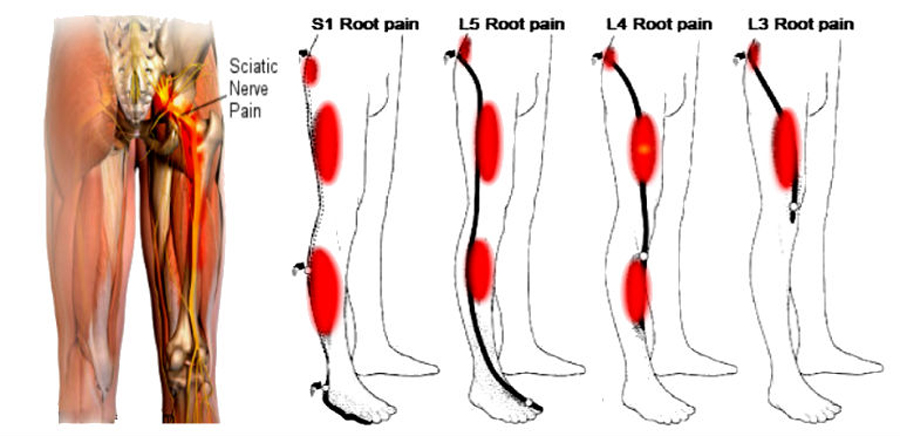
BACKGROUND:   Low back pain (LBP) patients with related leg pain have a more severe profile than those with local LBP and a worse prognosis. Pain location above or below the knee and the presence of neurological signs differentiate patients with different profiles, but knowledge about the prognostic value of these subgroups is sparse. The objectives of this study were (1) to investigate whether subgroups consisting of patients with Local LBP only, LBP + leg pain above the knee, LBP + leg pain below the knee, and LBP + leg pain and neurological signs had different prognoses, and (2) to determine if this was explained by measured baseline factors.

METHODS:   Routine clinical data were collected during the first visit to an outpatient department and follow-ups were performed after 3 and 12 months. Patients were divided into the four subgroups and associations between subgroups and the outcomes of activity limitation, global perceived effect (GPE) after 3 months, and sick leave after 3 months were tested by means of generalised estimating equations. Models were univariate (I), adjusted for duration (II), and adjusted for all baseline differences (III).

RESULTS:   A total of 1,752 patients were included, with a 76% 3-month and 70% 12-month follow-up. Subgroups were associated with activity limitation in all models (p < 0.001). Local LBP had the least and LBP + neurological signs the most severe limitations at all time-points, although patients with neurological signs improved the most. Associations with GPE after 3 months were only significant in Model I. Subgroups were associated with sick leave after 3 months in model I and II, with sick leave being most frequent in the subgroup with neurological signs. No significant differences were found in any pairwise comparisons of patients with leg pain above or below the knee.

There are more articles like this @ our:

Chiropractic and Sciatica Page and the:

Low Back Pain and Chiropractic Page

(more…)

What Low Back Pain Is and Why We Need to Pay Attention

By |April 7, 2018|Low Back Pain|

What Low Back Pain Is and Why We Need to Pay Attention

The Chiro.Org Blog


SOURCE:   Lancet. 2018 (Mar 20) [Epub]


Prof Jan Hartvigsen, PhD, Mark J Hancock, PhD, Alice Kongsted, PhD, Prof Quinette Louw, PhD, Manuela L Ferreira, PhD, Stéphane Genevay, MD, Damian Hoy, PhD, Prof Jaro Karppinen, PhD, Glenn Pransky, MD, Prof Joachim Sieper, MD, Prof Rob J Smeets, PhD, Prof Martin Underwood, MD

Department of Sports Science and Clinical Biomechanics,
University of Southern Denmark,
Odense, Denmark;
Nordic Institute of Chiropractic and Clinical Biomechanics,
Odense, Denmark.


Low back pain is a very common symptom. It occurs in high-income, middle-income, and low-income countries and all age groups from children to the elderly population. Globally, years lived with disability caused by low back pain increased by 54% between 1990 and 2015, mainly because of population increase and ageing, with the biggest increase seen in low-income and middle-income countries. Low back pain is now the leading cause of disability worldwide.

This is just one article from a series of 4:

The Lancet 2018 Series on Low Back Pain

For nearly all people with low back pain, it is not possible to identify a specific nociceptive cause. Only a small proportion of people have a well understood pathological cause – eg, a vertebral fracture, malignancy, or infection. People with physically demanding jobs, physical and mental comorbidities, smokers, and obese individuals are at greatest risk of reporting low back pain. Disabling low back pain is over-represented among people with low socioeconomic status. Most people with new episodes of low back pain recover quickly; however, recurrence is common and in a small proportion of people, low back pain becomes persistent and disabling.

Initial high pain intensity, psychological distress, and accompanying pain at multiple body sites increases the risk of persistent disabling low back pain. Increasing evidence shows that central pain-modulating mechanisms and pain cognitions have important roles in the development of persistent disabling low back pain. Cost, health-care use, and disability from low back pain vary substantially between countries and are influenced by local culture and social systems, as well as by beliefs about cause and effect.

Disability and costs attributed to low back pain are projected to increase in coming decades, in particular in low-income and middle-income countries, where health and other systems are often fragile and not equipped to cope with this growing burden. Intensified research efforts and global initiatives are clearly needed to address the burden of low back pain as a public health problem.


From the FULL TEXT Article:

Introduction

Low back pain is an extremely common symptom experienced by people of all ages. [1–3] In 2015, the global point prevalence of activity-limiting low back pain was 7.3%, implying that 540 million people were affected at any one time. Low back pain is now the number one cause of disability globally. [4] The largest increases in disability caused by low back pain in the past few decades have occurred in low-income and middle-income countries, including in Asia, Africa, and the Middle East, [5] where health and social systems are poorly equipped to deal with this growing burden in addition to other priorities such as infectious diseases.

There are more articles like this @ our:
Low Back Pain and Chiropractic Page

(more…)

Prevention and Treatment of Low Back Pain

By |April 6, 2018|Low Back Pain|

Prevention and Treatment of Low Back Pain: Evidence, Challenges, and Promising Directions

The Chiro.Org Blog


SOURCE:   Lancet. 2018 (Mar 20) [Epub]


Nadine E Foster, Johannes R Anema, Dan Cherkin, Roger Chou, Steven P Cohen, Douglas P Gross, Paulo H Ferreira, Julie M Fritz, Bart W Koes, Wilco Peul, Judith A Turner, Chris G Maher, on behalf of the Lancet Low Back Pain Series Working Group

Arthritis Research UK Primary Care Centre,
Research Institute for Primary Care and Health Sciences,
Keele University,
Staffordshire, UK.


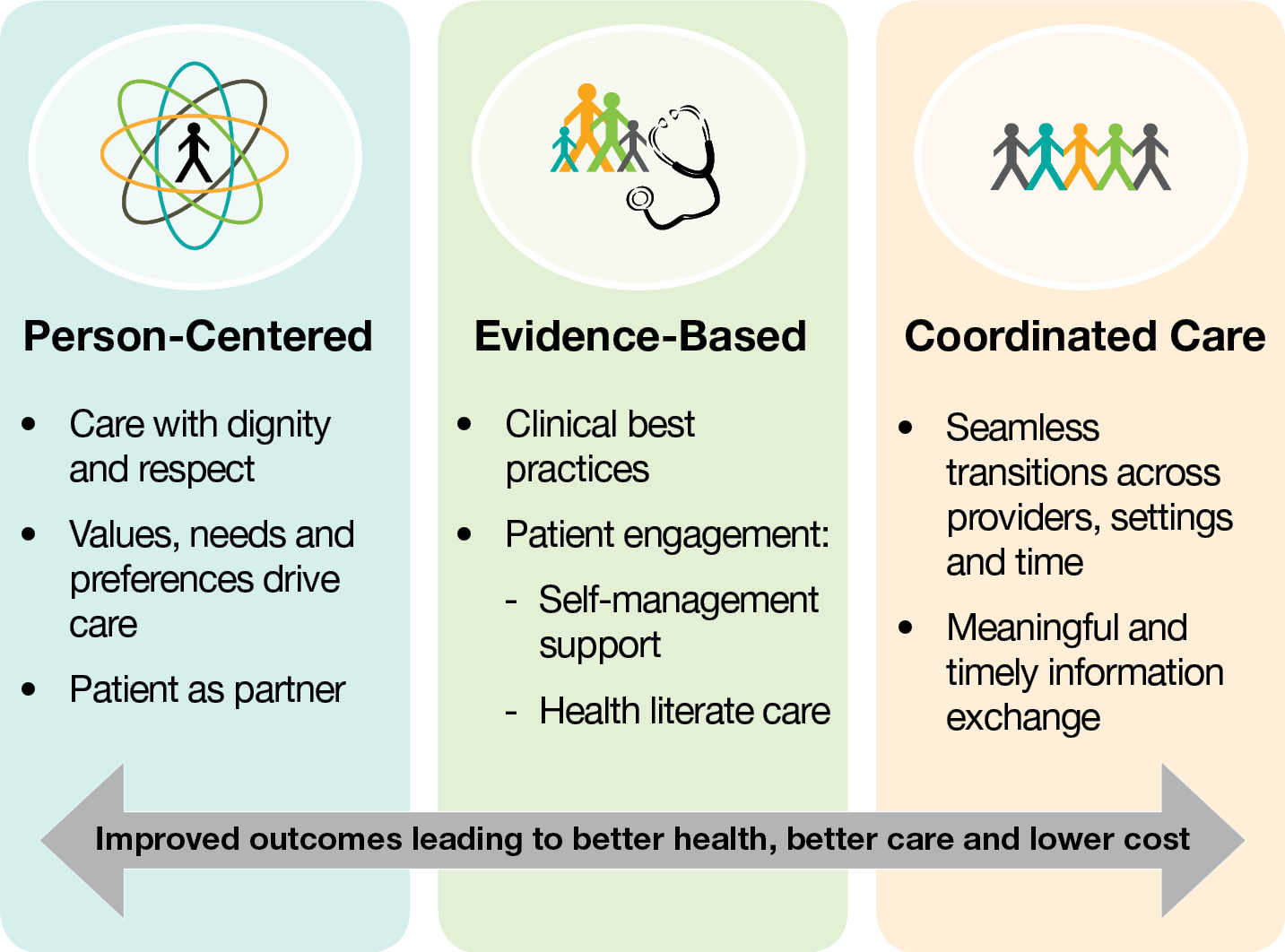
Many clinical practice guidelines recommend similar approaches for the assessment and management of low back pain. Recommendations include use of a biopsychosocial framework to guide management with initial non-pharmacological treatment, including education that supports self-management and resumption of normal activities and exercise, and psychological programmes for those with persistent symptoms. Guidelines recommend prudent use of medication, imaging, and surgery. The recommendations are based on trials almost exclusively from high-income countries, focused mainly on treatments rather than on prevention, with limited data for cost-effectiveness. However, globally, gaps between evidence and practice exist, with limited use of recommended first-line treatments and inappropriately high use of imaging, rest, opioids, spinal injections, and surgery. Doing more of the same will not reduce back-related disability or its long-term consequences.

This is just one article from a series of 4:

The Lancet 2018 Series on Low Back Pain

The advances with the greatest potential are arguably those that align practice with the evidence, reduce the focus on spinal abnormalities, and ensure promotion of activity and function, including work participation. We have identified effective, promising, or emerging solutions that could offer new directions, but that need greater attention and further research to determine if they are appropriate for large-scale implementation.

These potential solutions include focused strategies to implement best practice, the redesign of clinical pathways, integrated health and occupational interventions to reduce work disability, changes in compensation and disability claims policies, and public health and prevention strategies.


From the FULL TEXT Article:

Introduction

Despite the plethora of treatments and health-care resources devoted to low back pain, back-related disability and population burden have increased. [1, 2] The first paper [3] in this Series describes the global burden and effect of low back pain and provides an overview of the causes and course of low back pain. In this Series paper, we summarise the evidence for effectiveness of interventions for the prevention and treatment of low back pain and the recommendations from best practice guidelines. Despite generally consistent guideline recommendations around the world, clear evidence exists of substantial gaps between evidence and practice that are pervasive in low-income, middle-income, and high-income countries. Different response strategies are needed that prevent and minimise disability and promote participation in physical and social activities. Here we highlight examples of effective, promising, or emerging solutions from around the world and make recommendations to strengthen the vidence base for them.


Prevention


Table 1

By contrast with the large number of trials that assess treatments for low back pain, evidence about prevention, particularly primary prevention, is inadequate (table 1). Most of the widely promoted interventions to prevent low back pain (eg, work-place education, no-lift policies, ergonomic furniture, mattresses, back belts, lifting devices) do not have a firm evidence base. A 2016 systematic review [4] identified only 21 trials with 30,850 adults (one in a low-middle-income country [Thailand]), and a 2014 systematic review [5] analysed only 11 randomised controlled trials with 2,700 children (one in a low-middle income country [Brazil]).

There are more articles like this @ our:

Low Back Pain and Chiropractic Page
(more…)

Association Between Use of Acid-Suppressive Medications

By |April 3, 2018|Pediatrics|

Association Between Use of Acid-Suppressive Medications and Antibiotics During Infancy and Allergic Diseases in Early Childhood

The Chiro.Org Blog


SOURCE:   JAMA Pediatrics 2018 (Apr 2) [Epub]


Edward Mitre, MD; Apryl Susi, MS; Laura E. Kropp, MPH

Department of Microbiology and Immunology,
F. Edward Hébert School of Medicine,
Uniformed Services University of the Health Sciences,
Bethesda, Maryland


A new Study reports:
Infants who are given antacids like Zantac or Pepcid
are more likely to develop childhood allergies


FROM:  TIME Magazine ~ April 2, 2018

Infants who are given antacids like Zantac or Pepcid are more likely to develop childhood allergies, perhaps because these drugs may alter their gut bacteria, a new large study suggests.

Early use of antibiotics also raised the chances of allergies in the study of nearly 800,000 children.

Researchers combed the health records of kids born between 2001 and 2013 and covered by Tricare, an insurance program for active duty and retired military personnel and their families. A surprising 9 percent of the babies received antacids, reflecting the popularity of treating reflux in infancy.

Over four years, more than half of all the children developed allergies to foods or medications, rashes, asthma, hay fever or other allergic diseases. The study couldn’t prove causes, but the connection with antacids and antibiotics was striking.

For children who received an antacid during their first six months, the chances of developing a food allergy doubled; the chances of developing a severe allergic reaction called anaphylaxis or hay fever were about 50 percent higher. For babies who received antibiotics, the chances doubled for asthma and were at least 50 percent higher for hay fever and anaphylaxis.

The results were published Monday in JAMA Pediatrics.


The Abstract:

Importance   Allergic diseases are prevalent in childhood. Early exposure to medications that can alter the microbiome, including acid-suppressive medications and antibiotics, may influence the likelihood of allergy.

Objective   To determine whether there is an association between the use of acid-suppressive medications or antibiotics in the first 6 months of infancy and development of allergic diseases in early childhood.

Design, Setting, and Participants   A retrospective cohort study was conducted in 792,130 children who were Department of Defense TRICARE beneficiaries with a birth medical record in the Military Health System database between October 1, 2001, and September 30, 2013, with continued enrollment from within 35 days of birth until at least age 1 year. Children who had an initial birth stay of greater than 7 days or were diagnosed with any of the outcome allergic conditions within the first 6 months of life were excluded from the study. Data analysis was performed from April 15, 2015, to January 4, 2018.

Exposures   Exposures were defined as having any dispensed prescription for a histamine-2 receptor antagonist (H2RA), proton pump inhibitor (PPI), or antibiotic.

Main Outcomes and Measures   The main outcome was allergic disease, defined as the presence of food allergy, anaphylaxis, asthma, atopic dermatitis, allergic rhinitis, allergic conjunctivitis, urticaria, contact dermatitis, medication allergy, or other allergy.

There are more articles like this @ our:

Chiropractic Pediatrics Section

(more…)

VA Chiropractic Residents: Where Are They Now?

By |March 28, 2018|Uncategorized|

VA Chiropractic Residents: Where Are They Now?

The Chiro.Org Blog


SOURCE:   ACA News ~ 3-26-2018


By Stephanie Halloran, DC


Part of a series on the chiropractic residency program in the VA health care system

The blog posts in the VA Chiropractic Residencies series thus far have been focused solely on the current residents’ experiences as they unfold throughout the year. For many, the question remains: What happens after the residency ends? In this post, I summarize what Brian Giuliani, DC, the 2016 graduate of the VA Connecticut Healthcare System, and Kelsey Corcoran, DC, the 2017 graduate of the VA of Western New York Healthcare System, learned from their respective programs, their favorite rotations, where they are now, and what advice they have for students interested in applying for the VA Chiropractic Residency.


Brian Giuliani, DC

Dr. Giuliani, an alumnus of New York Chiropractic College, is currently practicing with the Aurora Spine Institute, a subset of the larger Aurora Healthcare Hospital System, in Sheboygan, Wis. His clinic is comprised of an orthopedic spine surgeon, surgical PA, physiatrist, two spine-specific physical therapists, three chiropractors, and multiple anesthesiologists who perform interventional procedures. In the chiropractic department, Dr. Giuliani primarily treats patients with non-operative musculoskeletal conditions of the neck and low back (with and without radiculopathy) and headache.

The opportunity to train under experienced clinicians during the residency helped bridge the gap between classroom medicine and clinical medicine, according to Dr. Giuliani, resulting in proper application of the knowledge he acquired throughout his schooling. Additionally, he found the program rapidly exposed his clinical deficiencies and afforded him time and guidance to positively augment these areas. The clinical training, in his opinion, is the greatest strength of the residency, with development of interpersonal communication skills coming in a close second. These communication skills are developed by observing the attending chiropractic physician’s interactions with patients, as well as on rotation while working under other medical specialties.

Neurosurgery topped Dr. Giuliani’s list when it came to rotations. Taking place near the end of the year-long program, it was viewed somewhat as a capstone course. Application of the vast knowledge he gained over the year gave rise to competently performing consultations, planning both operative and non-operative strategies, and first-hand learning of some surgical aspects in the operating room. Additionally, he found physiatry and pain management to be valuable as they exposed him to a broad spectrum of musculoskeletal cases not generally seen in VA chiropractic clinics as well as increased his ability to synthesize large amounts of information into a novel management plan.

Dr. Giuliani advises interested students to look at the residency program from an educational perspective, rather than one focused on job security. “You should have an idea of where you want your career to take you, whether that is education, research, administration, etc. You will be presented with an opportunity that few in our profession have…if you approach it as an education opportunity, you will do very well.”


Kelsey Corcoran, DC

(more…)