

Support Chiropractic Research!

BLOG

Multiple Myeloma Presenting as Sacroiliac Joint Pain: A Case Report

By |August 6, 2012|Diagnosis, Evaluation & Management, Multiple Myeloma|

Multiple Myeloma Presenting as Sacroiliac Joint Pain: A Case Report

The Chiro.Org Blog


SOURCE:   J Can Chiropr Assoc. 2012 (Jun); 56 (2):94-101


Danielle Southerst, BScH, DC, John Dufton, DC, MSc, MD,
Paula Stern, BSc, DC, FCCS(C)

Canadian Memorial Chiropractic College,
Division of Graduate Studies,
6100 Leslie Street,
Toronto, ON, M2H 3J1,
(416) 482-2344 x 287;
dsoutherst@cmcc.ca.


Multiple Myeloma (MM) is the most common primary cancer of bone in adults. The clinical presentation of MM is varied and depends on the sites and extent of involvement. Most importantly for chiropractors, the leading clinical symptoms of MM are related to bone neoplasm and may mimic pain of musculoskeletal origin. The following is the case of a 56 year old male chiropractic patient presenting with a 6 month history of sacroiliac joint pain previously diagnosed and managed unsuccessfully as a hematoma by multiple providers. Physical examination, imaging, and laboratory investigations confirmed a diagnosis of MM. The case report describes relevant pathophysiology, clinical presentation, imaging, and management for MM, while illustrating key issues in patient management as they relate to chiropractic practice and the recognition of pathology in the context of musculoskeletal pain.


From the FULL TEXT Article

Introduction:

Multiple Myeloma (MM) is a primary malignancy of bone marrow characterized by clonal proliferation of plasma cells and production of monoclonal immunoglobulin. It is the most common primary bone cancer in adults [1,2] contributing to 1.3% of new cancer cases in Canada and 1.9% of cancer deaths. [3] In 2008, an estimated 6000 Canadians were living with the disease, including 2100 newly diagnosed. [3] Myeloma is slightly more prevalent in males [4-6] and blacks. [4,5,7] The median age at diagnosis is 66, with the majority diagnosed over the age of 60; [8,9] however in a review of 1027 patients diagnosed with MM, 30% were under the age of 60 and the age of diagnosis ranged from 20–92. [8] The most common symptoms reported are those related to bone neoplasm including unexplained backache that is often severe and precipitated by movement. [8,11] These symptoms may motivate a patient to seek conservative care for what is assumed to be a complaint of musculoskeletal origin. This case emphasizes key components of patient management as they relate to chiropractic practice and the recognition of pathology in the context of a patient presenting with pain of presumed musculoskeletal origin.


Discussion:

Pathophysiology (more…)
Do Omega 3 and Turmeric Have a Role in Promoting Neuroprotection?

By |August 1, 2012|Myelopathy, Omega-3 Fatty Acids|

Do Omega 3 and Turmeric Have a Role in Promoting Neuroprotection?

The Chiro.Org Blog


SOURCE:  BIBA Spinal News


“In an animal model of myelopathy, we have demonstrated that DHA and curcumin can counteract the effects of chronic spinal cord compression through several molecular mechanisms, resulting in the preservation of neurological function.”

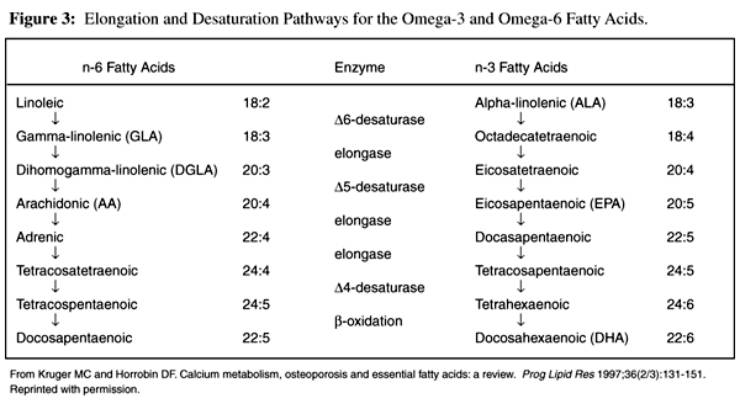
A study published in the Journal of Neurosurgery: Spine indicates, in an animal model, a diet rich in docsahexaenoic acid (DHA; an omega-3 fatty acid) and curcumin (one of the principle components of turmeric) can neutralise the clinical and biochemical effects of myelopathy.

Langston Holly, Department of Neurosurgery, David Geffen School of Medicine, University of California, Los Angeles, USA, and others reported that they examined the effects of a DHA and curcumin rich diet in promoting neuroprotection in an animal model of myelopathy because while several studies have shown dietary supplementation to have beneficial effects on cerebral function, “comparatively little information has been published regarding the use of dietary supplementation to enhance neural repair in disorders affecting the spine, and this represents a fertile area for study.”

In the study, 27 rats were equally divided into three groups: spinal compression (via surgical placement of thin epidural non-resorbable polymer in the mid-thoracic spine, designed to induce delayed neurological deficit) and a “Western society diet” (ie, one rich in saturated fats); spinal compression and a diet rich in DHA and curcumin; and no spinal compression and a standard diet.

Twenty-one days after the spinal compression procedure, using CatWalk XT software analysis (Noldus Information Technology), the rats in the Western diet group showed significant worsening in ambulatory parameters compared with the other two groups (such as cadence, p<0.02; mean stepping intensity, p<0.03; and print width, p<0.04). Rats in the Western diet group also had significantly worse gait at 21 days and 42 days (the end of the study) after surgery compared with their baseline levels, but there were no significant differences between postoperative gait parameters (at 42 days) and baseline gait parameters for rats in the DHA and curcumin group. Holly et al wrote: “Additionally, although the two groups started with statistically equivalent performance in these parameters, the DHA and curcumin group had significantly better gait function than the Western diet group at the final postoperative day 42 time point (p<0.05).”

(more…)

Chiropractic May Reduce Deaths And Injuries From Falls Among Older People

By |July 20, 2012|Research|

Chiropractic care for older people may reduce deaths and injuries from falls according to researchers taking part in a study by Auckland University and the Chiropractic Research Centre (CRC) at the New Zealand College of Chiropractic on the neurophysiological effects of chiropractic on the brain.

According to chiropractor, PhD candidate and principal investigator of the study Dr Kelly Holt, falls often occur due to a decline in nervous system function with advancing age. This can lead to a loss of balance, or poor control of the limbs, which dramatically increases the risk of falling.

Dr Holt says: `Already it is estimated that in New Zealand slips, trips and falls cost almost $300 million per year in treatment and rehabilitation costs and as the population ages this will likely get worse.’ He says that ‘falls result in approximately 450 deaths per year in New Zealand and for older adults in particular, a fall can lead to a downward spiral that involves a loss of confidence, a cessation of day to day activities and eventually increased frailty and even death.’

ABSTRACT: The Effects of Manual Therapy on Balance and Falls: A Systematic Review
Journal of Manipulative and Physiological Therapeutics March/April 2012, Holt et al

Objective

The purpose of this study was to review the scientific literature on the effects of manual therapy interventions on falls and balance.

Methods

This systematic review included randomized and quasi-randomized controlled trials that investigated the effects of manual therapy interventions on falls or balance. Outcomes of interest were rate of falls, number of fallers reported, and measures of postural stability. Data sources included searches through June 2011 of Cochrane Central Register of Controlled Trials, Cochrane Database of Systematic Reviews, MEDLINE, EMBASE, CINAHL, PsycINFO, Allied and Complimentary Medicine, Current Controlled Trials, Manual Alternative and Natural Therapy Index System, Index to the Chiropractic Literature, National Institutes of Health (USA), and Google Scholar.

Results

Eleven trials were identified that met the inclusion criteria. Most trials had poor to fair methodological quality. All included trials reported outcomes of functional balance tests or tests that used a computerized balance platform. Nine of the 11 trials reported some statistically significant improvements relating to balance after an intervention that included a manual therapy component. The ability to draw conclusions from a number of the studies was limited by poor methodological quality or very low participant numbers. A meta-analysis was not performed due to heterogeneity of interventions and outcomes. Only 2 small trials included falls as an outcome measure, but as a feasibility study and a pilot study, no meaningful conclusions could be drawn about the effects of the intervention on falls.

Conclusion

A limited amount of research has been published that supports a role for manual therapy in improving postural stability and balance. More well-designed controlled trials with sufficient participant numbers are required to draw meaningful clinical conclusions about the role that manual therapies may play in preventing falls or improving postural stability and balance.

A Theoretical Basis for Maintenance Spinal Manipulative Therapy for the Chiropractic Profession

By |July 17, 2012|Chiropractic Care, Maintenance Care, Spinal Manipulation|

A Theoretical Basis for Maintenance Spinal Manipulative Therapy for the Chiropractic Profession

The Chiro.Org Blog


SOURCE: J Chiropractic Humanities 2011 (Dec)


David N. Taylor

Director, Multimed Center, Inc., Greenfield, MA


The World Health Organization defines health as being “a state of complete physical, mental, and social well-being, and not merely the absence of disease or infirmity”. [ 1 ]

Given this broad definition of health, epistemological constructs borrowed from the social sciences may demonstrate health benefits not disclosed by randomized controlled trials.

Health benefits, such as improvement in self-reported quality-of-life (QOL), behaviors associated with decreased morbidity, patient satisfaction, and decreased health care costs, are reported in the following articles, and they make a compelling statement about the effects of chiropractic on general health.


OBJECT:   The purpose of this article is to discuss a theoretical basis for wellness chiropractic manipulative care and to develop a hypothesis for further investigation.

METHODS:   A SEARCH OF PUBMED AND OF THE MANUAL, ALTERNATIVE, AND NATURAL THERAPY INDEX SYSTEM WAS PERFORMED WITH A COMBINATION OF KEY WORDS: chiropractic, maintenance and wellness care, maintenance manipulative care, preventive spinal manipulation, hypomobility, immobility, adhesions, joint degeneration, and neuronal degeneration. Articles were collected, and trends were identified.

RESULTS:   The search revealed surveys of doctors and patients, an initial clinical pilot study, randomized control trials, and laboratory studies that provided correlative information to provide a framework for development of a hypothesis for the basis of maintenance spinal manipulative therapy. Maintenance care optimizes the levels of function and provides a process of achieving the best possible health. It is proposed that this may be accomplished by including chiropractic manipulative therapy in addition to exercise therapy, diet and nutritional counseling, and lifestyle coaching.

(more…)

AMA on Warpath to Overturn Provider Non-discrimination Provision of the Affordable Care Act

By |July 5, 2012|General Health, News|

AMA on Warpath to Overturn Provider Non-discrimination Provision of the Affordable Care Act

The Chiro.Org Blog


ACA Press Release ~ June 26, 2012


The American Chiropractic Association (ACA) today reaffirmed its commitment to fighting provider discrimination, responding to a recent decision by the American Medical Association’s (AMA) House of Delegates to initiate a lobbying effort against Section 2706, the provider non-discrimination provision in the Patient Protection and Affordable Care Act (PPACA).

Section 2706 prohibits insurance companies from discriminating against health care providers relative to their participation and coverage in health plans. It is applicable to all Employee Retirement Income Security Act (ERISA) health care plans, including self-insured, multi-state plans that are not subject to provider-friendly state laws. ACA (and the ICA) worked hard to ensure the inclusion of this provision in the health care reform legislation.

“As the voice of the chiropractic profession on Capitol Hill, ACA will not yield in its efforts to fight any threat to our patients’ access to the services of DCs and for our doctors’ right to practice to the full extent of their education and training,” said ACA President Keith Overland, DC. “AMA’s decision is outdated, and it demonstrates a desire, by some, to cling to the ‘old guard,’ but it is not in patients’ or our country’s best interests. Section 2706 will extend new health care services to millions, and it will help address the primary care shortage threatening our nation.” (more…)

Dr. Allan Gotlib awarded the Order of Canada

By |July 3, 2012|News|

Source The Canadian Chiropractic Association Bulletin

Alan Gotlib, C.M.Dr. Allan Gotlib, director of Research Programs and editor of the Journal of the Canadian Chiropractic Association has been awarded the Order of Canada for his work developing the profession’s research capacity.

The Governor General announced this year’s recipients last Friday, June 29th.

Dr. Gotlib has been named a Member of the Order of Canada. The Member designation recognizes achievements in a particular field, in this case health.

The Order of Canada, one of our country’s highest civilian honours, was established in 1967, during Canada’s centennial year, to recognize a lifetime of outstanding achievement, dedication to community and service to the nation. Over the last 45 years, more than 5,000 people from all sectors of society have been invested into the Order.

Allan’s work on behalf of the profession for more than two decades has been groundbreaking. He has facilitated the establishment of university-based chiropractic professorships and research chairs across the country, he serves as executive vice-president of the Canadian Chiropractic Research Foundation, and has been pivotal in creating the profession’s research Consortium.

Dr. Gotlib has held many Committee positions including Executive Committee for the Canadian Cochrane Network and Center, CIHR President’s Voluntary Sector Committee, president of the College of Chiropractors of Ontario, Transitional Council of the College of Naturopaths of Ontario, Deputy Judges Council in Ontario, and bencher on the Law Society of Upper Canada.

He is a past full professor at the Canadian Memorial Chiropractic College in Toronto and maintains membership in the World Association of Medical Editors (WAME), the American Medical Writers Association (AMWA) and the Canadian Pediatric Society.

In 2006, he received the Chiropractor of the Year award from the Ontario Chiropractic Association, the highest award given by the association in Ontario. In 2007, he received the Canadian Chiropractic Association Medal of Merit, the highest award given by the profession in Canada and, in 2007 he received the Homewood Professorship from the Canadian Memorial Chiropractic College, its highest academic award.