

Support Chiropractic Research!

Frank M. Painter

About Frank M. Painter

I was introduced to Chiro.Org in early 1996, where my friend Joe Garolis helped me learn HTML, the "mark-up language" for websites. We have been fortunate that journals like JMPT have given us permission to reproduce some early important articles in Full-Text format. Maintaining the Org website has been, and remains, my favorite hobby.

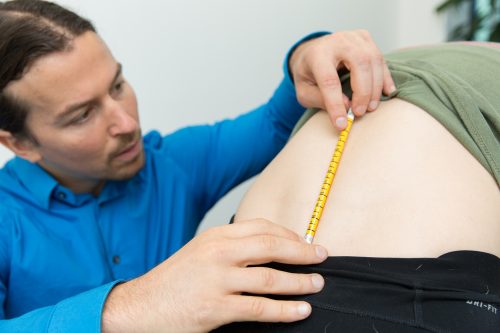
Interexaminer Reliability of Seated Motion Palpation

By |January 13, 2019|Motion Palpation|

Interexaminer Reliability of Seated Motion Palpation for the Stiffest Spinal Site

The Chiro.Org Blog


SOURCE:   J Manipulative Physiol Ther. 2018 (Sep); 41 (7): 571–579

Kelly Holt, PhD, David Russell, DC, Robert Cooperstein, MA, DC, Morgan Young, DC, Matthew Sherson, DC, Heidi Haavik, DC, PhD

Center for Chiropractic Research,
New Zealand College of Chiropractic,
Aukland, New Zealand.
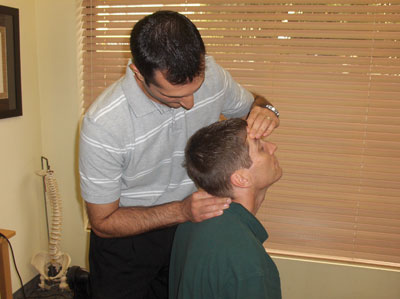

OBJECTIVES:   The purpose of this study was to assess the interexaminer reliability of palpation for stiffness in the cervical, thoracic, and lumbar spinal regions.

METHODS:   In this secondary data analysis, data from 70 patients from a chiropractic college outpatient clinic were analyzed. Two doctors of chiropractic palpated for the stiffest site within each spinal region. Each were asked to select the stiffest segment and to rate their confidence in their palpation findings. Reliability between examiners was calculated as Median Absolute Examiner Differences (MedianAED) and data dispersion as Median Absolute Deviation (MAD). Interquartile analysis of the paired examiner differences was performed.

RESULTS:   In total, 210 paired observations were analyzed. Nonparametric data precluded reliability determination using intraclass correlation. Findings included lumbar MedianAED = 0.5 vertebral equivalents (VE), thoracic = 1.7 VE, and cervical = 1.4 VE. For the combined dataset, the findings were MedianAED = 1.1 VE; MAD was lowest in the lumbar spine (0.3 VE) and highest in thoracic spine (1.4 VE), and for the combined dataset, MAD = 1.1 VE. Examiners agreed on the segment or the motion segment containing the stiffest site in 54% of the observations.

There are more articles like this @ our:
CHIROPRACTIC SUBLUXATION Page

(more…)

Interexaminer Reliability of Cervical Motion Palpation

By |January 10, 2019|Subluxation|

Interexaminer Reliability of Cervical Motion Palpation Using Continuous Measures and Rater Confidence Levels

The Chiro.Org Blog


SOURCE:   J Can Chiropr Assoc. 2013 (Jun); 57 (2): 156–164

Robert Cooperstein, MA, DC, Morgan Young, DC, and Michael Haneline, DC, MPH

Palmer Center for Chiropractic Research,
San Jose, CA, USA.


INTRODUCTION:   Motion palpators usually rate the movement of each spinal level palpated, and their reliability is assessed based upon discrete paired observations. We hypothesized that asking motion palpators to identify the most fixated cervical spinal level to allow calculating reliability at the group level might be a useful alternative approach.

METHODS:   Three examiners palpated 29 asymptomatic supine participants for cervical joint hypomobility. The location of identified hypomobile sites was based on their distance from the T1 spinous process. Interexaminer concordance was estimated by calculating Intraclass Correlation Coefficient (ICC) and mean absolute differences (MAD) values, stratified by degree of examiner confidence.

RESULTS:   For the entire participant pool, ICC [2,1] = 0.61, judged “good.” MAD=1.35 cm, corresponding to mean interexaminer differences of about 75% of one cervical vertebral level. Stratification by examiner confidence levels resulted in small subgroups with equivocal results.

There are more articles like this @ our:

CHIROPRACTIC SUBLUXATION Page

(more…)

Congress Introduces Bipartisan Legislation to Expand Chiropractic

By |January 9, 2019|Veterans|

Congress Introduces Bipartisan Legislation to Expand Chiropractic Access to Military Retirees, National Guard and Reserves

The Chiro.Org Blog


SOURCE:   The American Chiropractic Association (ACA)

Arlington, VA – The American Chiropractic Association (ACA) is pleased to announce that Congress yesterday introduced bipartisan legislation that would expand access to chiropractic services to military retirees as well as members of the National Guard and Reserve through the Department of Defense TRICARE health program.

The legislation — S. 30, introduced by Sen. Tammy Baldwin (D-Wis.) and Sen. Jerry Moran (R-Kan.), and H.R. 344, introduced by Rep. Mike Rogers (R-Ala.) and David Loebsack (D-Iowa) — would ensure that those who retire from military service can continue to receive the quality chiropractic care they accessed previously through the Department of Defense (DoD) healthcare system. Since painful musculoskeletal conditions are a common complaint among those who have served in the military, the legislation adds an important non-drug option for pain management in TRICARE for those who wish to avoid or reduce their need for prescription opioid pain medications.

“In the wake of the opioid epidemic, we are grateful that Congress recognizes the need for increased access to non-drug options for pain management,” said ACA President N. Ray Tuck, Jr., DC. “Chiropractors have become valued members of the military healthcare team. We are honored to help keep our service members battle-ready without the use of drugs or surgery and to help those who retire to continue to manage their pain conservatively with safe and effective chiropractic services.”

There are more articles like this @ our:
CHIROPRACTIC CARE FOR VETERANS Page

(more…)

Effect of Chiropractic Manipulative Therapy on Reaction Time

By |January 6, 2019|Chiropractic Research, Veterans|

Effect of Chiropractic Manipulative Therapy on Reaction Time in Special Operations Forces Military Personnel

The Chiro.Org Blog


SOURCE:   Trials. 2019 (Jan 3); 20 (1): 5

James W. DeVocht, Robert Vining, Dean L. Smith, Cynthia R. Long, Thomas M. Jones and Christine M. Goertz

Palmer Center for Chiropractic Research,
741 Brady St,
Davenport, IA, 52803, USA.


BACKGROUND:   Chiropractic manipulative therapy (CMT) has been shown to improve reaction time in some clinical studies. Slight changes in reaction time can be critical for military personnel, such as special operation forces (SOF). This trial was conducted to test whether CMT could lead to improved reaction and response time in combat-ready SOF-qualified personnel reporting little or no pain.

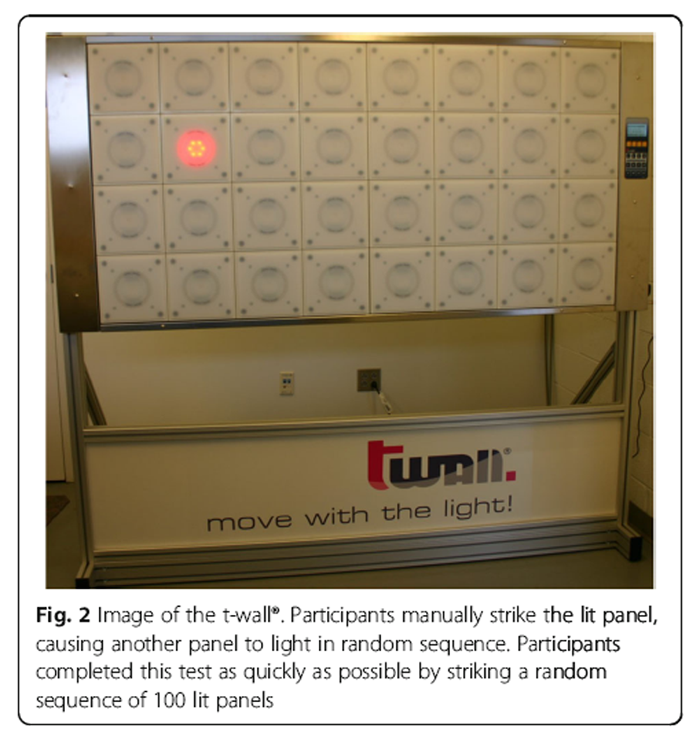
METHODS:   This prospective, randomized controlled trial was conducted at Blanchfield Army Community Hospital, Fort Campbell, KY, USA. Active-duty US military participants over the age of 19 years carrying an SOF designation were eligible. Participants were randomly allocated to CMT or wait-list control. One group received four CMT treatments while the other received no treatment within the 2-week trial period. Assessment included simple hand/foot reaction time, choice reaction time, and Fitts’ Law and whole-body response time. On visits 1 and 5, the same five assessments were conducted immediately pre- and post-treatment for the CMT group and before and after a 10-min wait period for the wait-list group. Primary outcomes included between-group differences for the pre-CMT/wait-list period at visit 1 and visit 5 for each test. Secondary outcomes included between-group differences in immediate pre- and post-(within visit) changes. Analysis of covariance was used for all data analysis.

RESULTS:   One hundred and seventy-five SOF-qualified personnel were screened for eligibility; 120 participants were enrolled, with 60 randomly allocated to each group. Due to technical problems resulting in inconsistent data collection, data from 77 participants were analyzed for simple hand/foot reaction time. The mean ± standard deviation (SD) age was 33.0 ± 5.6 years and all participants were male. No between-group statistically significant differences were found for any of the five biomechanical tests, except immediate pre- and post-changes in favor of the CMT group in whole-body response time at both assessment visits. There were four adverse events, none related to trial participation.

There are more articles like this @ our:
CHIROPRACTIC CARE FOR VETERANS Page

(more…)

Sagittal Standing Posture and its Association with Spinal Pain

By |December 31, 2018|Posture|

Sagittal Standing Posture and its Association with Spinal Pain: A School-based Epidemiological Study of 1196 Flemish Adolescents Before Age at Peak Height Velocity

The Chiro.Org Blog


SOURCE:   Spine (Phila Pa 1976). 2012 (Sep 1); 37 (19): 1657-1666

Mieke Dolphens; Barbara Cagnie; Pascal Coorevits; Guy Vanderstraeten; Greet Cardon; Roseline D’hooge; Lieven Danneels

Department of Rehabilitation Sciences and Physiotherapy,
Faculty of Medicine and Health Sciences,
Ghent University, Artevelde University College, Ghent, Belgium.


STUDY DESIGN:   Cross-sectional baseline data set on the sagittal standing posture of 1196 adolescents.

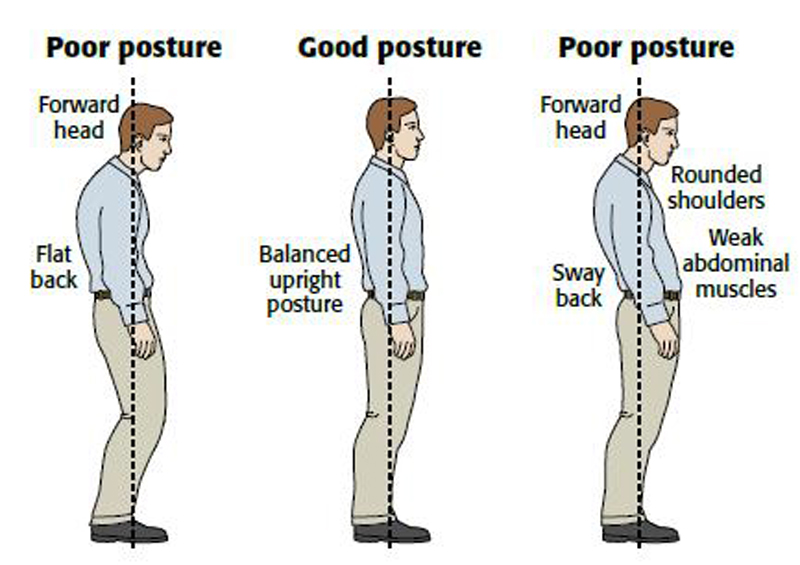
OBJECTIVE:   To describe and quantify common variations in the sagittal standing alignment in boys and girls who are in the same phase of growth and to explore the association between habitual standing posture and measures for spinal pain.

SUMMARY OF BACKGROUND DATA:   Data on postural characteristics and spinal pain measures in adolescence are sparse, especially when somatic and biological maturity status is to be considered. Our understanding of the relationship between standing posture in the sagittal plane and spinal pain is also deficient.

METHODS:   A total of 639 boys (age [mean ± SD], 12.6 ± 0.54 yr) and 557 girls (10.6 ± 0.47 yr), with predicted years from peak height velocity (PHV) being 1.2 ± 0.71 and 1.2 ± 0.59 pre-PHV, respectively, were studied. Postural examination included the assessment of global alignment and local spinopelvic characteristics, using post hoc analyses of digital images and direct body measurements (palpation, digital inclinometry, and wheeled accelerometry). Spinal pain experience was assessed by questionnaire.

RESULTS:   A wide interindividual variation in sagittal posture characteristics was observed. Logistic regression analyses yielded global alignment parameters to be associated with low back pain (lifetime prevalence), neck pain (lifetime prevalence, 1–mo prevalence, and doctor visit), and thoracic spine pain (doctor visit) outcome measures. None of the included local spinopelvic parameters could be identified as an associated factor with measures of spinal pain.

There are more articles like this @ our:
SPINAL ALLIGNMENT/CERVICAL CURVE Page Page

(more…)

Absence of Low Back Pain to Demarcate an Episode

By |December 27, 2018|Low Back Pain|

Absence of Low Back Pain to Demarcate an Episode: A Prospective Multicentre Study in Primary Care

The Chiro.Org Blog


SOURCE:   Chiropractic & Manual Therapies 2016 (Feb 18); 24: 3

Andreas Eklund, Irene Jensen, Malin Lohela-Karlsson, Charlotte Leboeuf-Yde, and Iben Axén

Unit of Intervention and Implementation Research,
Karolinska Institutet,
Institute of Environmental Medicine,
Nobels v 13, S-171 77
Stockholm, Sweden.


BACKGROUND:   It has been proposed that an episode of low back pain (LBP) be defined as: “a period of pain in the lower back lasting for more than 24 h preceded and followed by a period of at least 1 month without LBP”. Previous studies have tested the definition in the general population and in secondary care populations with distinctly different results. The objectives of this study (in a primary care population) were to investigate the prevalence of 1) the number of consecutive weeks free from bothersome LBP, 2) the prevalence of at least four consecutive weeks free from bothersome LBP at any time during the study period, and 3) the prevalence of at least four consecutive weeks free from bothersome LBP at any time during the study period among subgroups that reported >30 days or ≤30 days of LBP the preceding year.

METHOD:   In this prospective multicentre study subjects with LBP (n = 262) were consecutively recruited from chiropractic primary care clinics in Sweden. The number of days with bothersome LBP was collected through weekly automated text messages. The maximum number of weeks in a row without bothersome LBP and the number of periods of at least four consecutive weeks free from bothersome LBP was counted for each individual and analysed as proportions.

RESULTS:   Data from 222 recruited subjects were analysed, of which 59 % reported at least one period of four consecutive weeks free from bothersome LBP. The number of consecutive pain free weeks ranged from 82 (at least one) to 31 % (9 or more). In subjects with a total duration of LBP of ≤30 days the previous year, 75 % reported a period of 4 consecutive weeks free from bothersome LBP during the study period whereas this was reported by only 48 % of subjects with a total duration of LBP of >30 days the previous year.

There are more articles like this @ our:

LOW BACK PAIN Page

(more…)