Happy Thanksgiving (2018)
Happy Thanksgiving (2018)
All of us at Chiro.Org want to wish our readers and friends
a very happy Thanksgiving.



All of us at Chiro.Org want to wish our readers and friends
a very happy Thanksgiving.
SOURCE: Chiropractic & Manual Therapies 2018 (Nov 13); 26: 46
Brent Leininger, Gert Bronfort, Roni Evans, James Hodges, Karen Kuntz and John A. Nyman
Integrative Health & Wellbeing Research Program,
Earl E. Bakken Center for Spirituality & Healing,
University of Minnesota,
420 Delaware St SE,
Minneapolis, MN 55455, USA
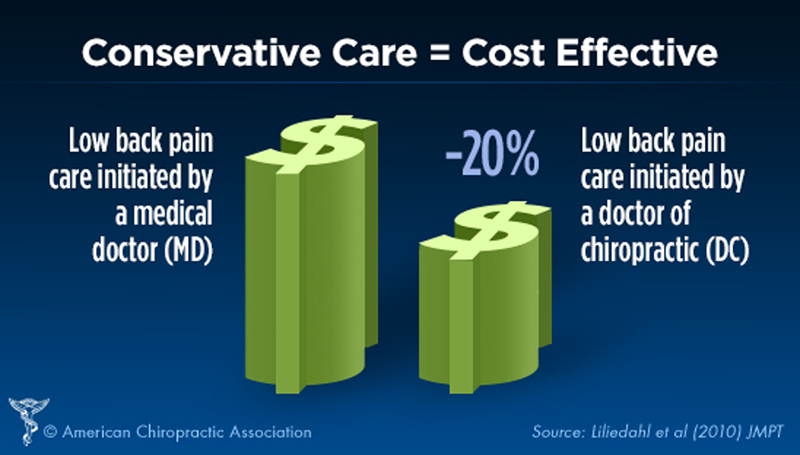
Background Spinal pain is a common and disabling condition with considerable socioeconomic burden. Spine pain management in the United States has gathered increased scrutiny amidst concerns of overutilization of costly and potentially harmful interventions and diagnostic tests. Conservative interventions such as spinal manipulation, exercise and self-management may provide value for the care of spinal pain, but little is known regarding the cost-effectiveness of these interventions in the U.S. Our primary objective for this project is to estimate the incremental cost-effectiveness of spinal manipulation, exercise therapy, and self-management for spinal pain using an individual patient data meta-analysis approach.
Methods/design We will estimate the incremental cost-effectiveness of spinal manipulation, exercise therapy, and self-management using cost and clinical outcome data collected in eight randomized clinical trials performed in the U.S. Cost-effectiveness will be assessed from both societal and healthcare perspectives using QALYs, pain intensity, and disability as effectiveness measures. The eight randomized clinical trials used similar methods and included different combinations of spinal manipulation, exercise therapy, or self-management for spinal pain. They also collected similar clinical outcome, healthcare utilization, and work productivity data. A two-stage approach to individual patient data meta-analysis will be conducted.
There are more articles like this @ our:
The Cost-Effectiveness of Chiropractic Page and the:
SOURCE: Asian Spine J. 2018 (Oct 16) [Epub]
Shu-Yan Ng, Josette Bettany-Saltikov, Irene Yuen Kwan Cheung, Karen Kar Yin Chan
Institute of Health and Social Care,
Teesside University,
Middlesbrough, UK.
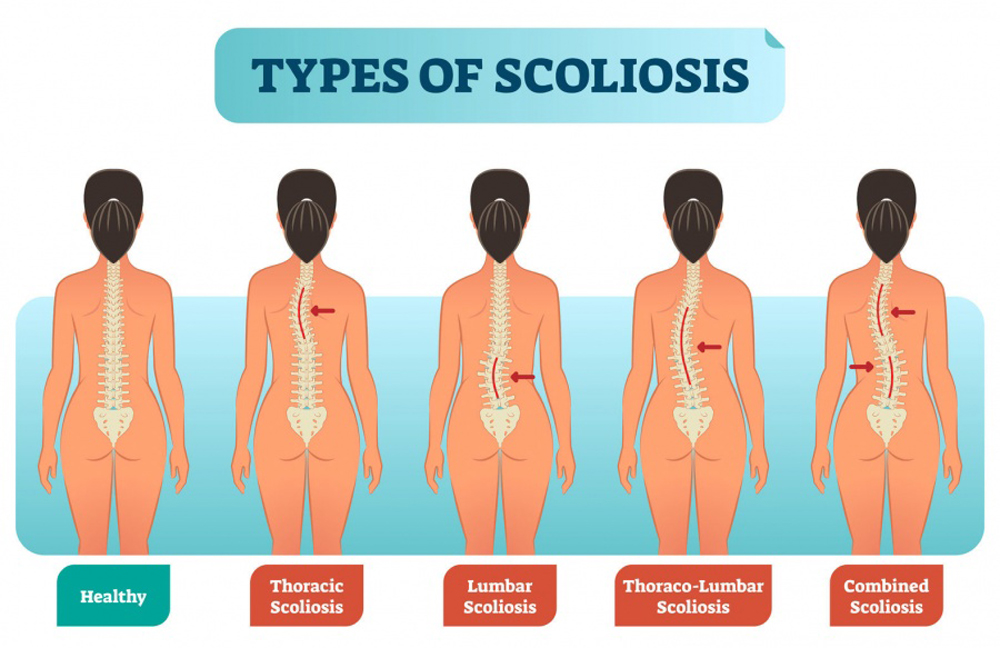
Several theories have been proposed to explain the etiology of adolescent idiopathic scoliosis (AIS) until present. However, limited data are available regarding the impact of vitamin D insufficiency or deficiency on scoliosis. Previous studies have shown that vitamin D deficiency and insufficiency are prevalent in adolescents, including AIS patients. A series of studies conducted in Hong Kong have shown that as many as 30% of these patients have osteopenia. The 25-hydroxyvitamin D3 level has been found to positively correlate with bone mineral density (BMD) in healthy adolescents and negatively with Cobb angle in AIS patients; therefore, vitamin D deficiency is believed to play a role in AIS pathogenesis. This study attempts to review the relevant literature on AIS etiology to examine the association of vitamin D and various current theories. Our review suggested that vitamin D deficiency is associated with several current etiological theories of AIS. We postulate that vitamin D deficiency and/or insufficiency affects AIS development by its effect on the regulation of fibrosis, postural control, and BMD. Subclinical deficiency of vitamin K2, a fat-soluble vitamin, is also prevalent in adolescents; therefore, it is possible that the high prevalence of vitamin D deficiency is related to decreased fat intake. Further studies are required to elucidate the possible role of vitamin D in the pathogenesis and clinical management of AIS.
There are more articles like this @ our:
Nutrition Section
and the:
SOURCE: Neuroscientist. 2018 (Nov 2) [Epub]
Michael Lukas Meier, Andrea Vrana1, and Petra Schweinhardt
Integrative Spinal Research,
Department of Chiropractic Medicine,
University Hospital Balgrist,
Zurich, Switzerland.
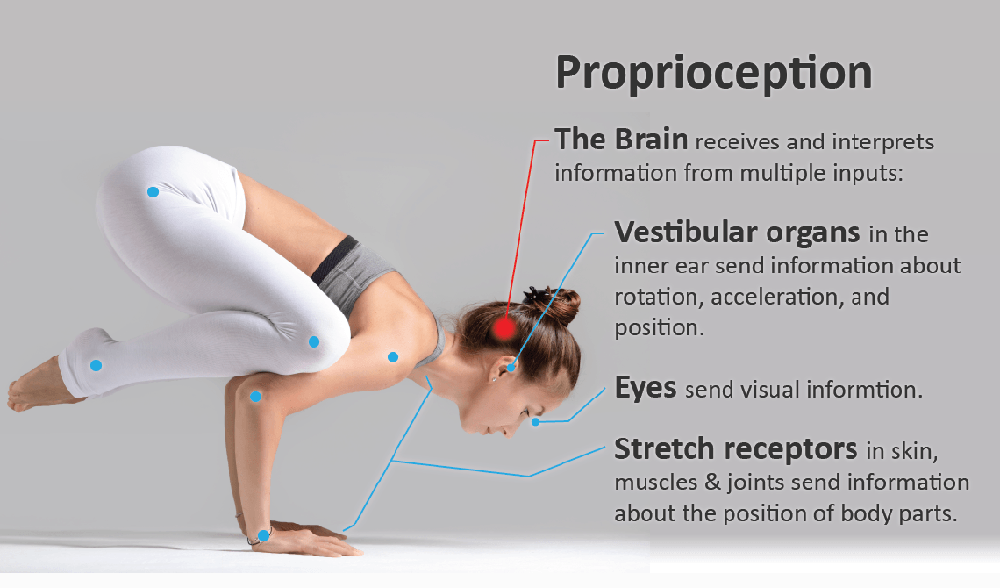
Motor control, which relies on constant communication between motor and sensory systems, is crucial for spine posture, stability and movement. Adaptions of motor control occur in low back pain (LBP) while different motor adaption strategies exist across individuals, probably to reduce LBP and risk of injury. However, in some individuals with LBP, adapted motor control strategies might have long-term consequences, such as increased spinal loading that has been linked with degeneration of intervertebral discs and other tissues, potentially maintaining recurrent or chronic LBP. Factors contributing to motor control adaptations in LBP have been extensively studied on the motor output side, but less attention has been paid to changes in sensory input, specifically proprioception.
Furthermore, motor cortex reorganization has been linked with chronic and recurrent LBP, but underlying factors are poorly understood. Here, we review current research on behavioral and neural effects of motor control adaptions in LBP. We conclude that back pain-induced disrupted or reduced proprioceptive signaling likely plays a pivotal role in driving long-term changes in the top-down control of the motor system via motor and sensory cortical reorganization. In the outlook of this review, we explore whether motor control adaptations are also important for other (musculoskeletal) pain conditions.
There are more articles like this @ our:
SOURCE: BMC Neurol. 2018 (Oct 17); 18 (1): 171
Craig Moore, Andrew Leaver, David Sibbritt, and Jon Adams
Faculty of Health,
University of Technology Sydney,
Level 8, Building 10,
235-253 Jones Street Ultimo,
Sydney, NSW, 2007, Australia.

BACKGROUND: Headache management is common within chiropractic clinical settings; however, little is yet known about how this provider group manage headache sufferers. The aim of this study is to report on the prevalence of headache patients found within routine chiropractic practice and to assess how chiropractors approach key aspects of headache management applicable to primary care settings.
METHODS: A 31-item cross-sectional survey was distributed to a national sample of chiropractors (n = 1050) to report on practitioner approach to headache diagnosis, interdisciplinary collaboration, treatment and outcome assessment of headache patients who present with recurrent headache disorders.
RESULTS: The survey attracted a response rate of 36% (n = 381). One in five new patients present to chiropractors with a chief complaint of headache. The majority of chiropractors provide headache diagnosis for common primary (84.6%) and secondary (90.4%) headaches using formal headache classification criteria. Interdisciplinary referral for headache management was most often with CAM providers followed by GPs. Advice on headache triggers, stress management, spinal manipulation, soft tissue therapies and prescriptive neck exercises were the most common therapeutic approaches to headache management.
There are more articles like this @ our:
SOURCE: J Headache Pain. 2011 (Feb); 12 (1): 35–43
César Fernández-de-las-Peñas, Daniel M. Fernández-Mayoralas, Ricardo Ortega-Santiago, Silvia Ambite-Quesada, Domingo Palacios-Ceña and Juan A. Pareja
Department of Physical Therapy,
Occupational Therapy,
Rehabilitation and Physical Medicine,
Facultad de Ciencias de la Salud,
Universidad Rey Juan Carlos,
Avenida de Atenas s/n,
28922 Alcorcón, Madrid
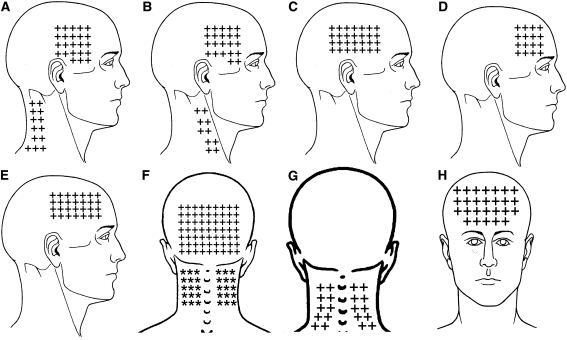
Our aim was to describe the referred pain pattern and areas from trigger points (TrPs) in head, neck, and shoulder muscles in children with chronic tension type headache (CTTH). Fifty children (14 boys, 36 girls, mean age: 8 ± 2) with CTTH and 50 age- and sex- matched children participated. Bilateral temporalis, masseter, superior oblique, upper trapezius, sternocleidomastoid, suboccipital, and levator scapula muscles were examined for TrPs by an assessor blinded to the children’s condition. TrPs were identified with palpation and considered active when local and referred pains reproduce headache pain attacks. The referred pain areas were drawn on anatomical maps, digitalized, and also measured.
The total number of TrPs was significantly greater in children with CTTH as compared to healthy children (P < 0.001). Active TrPs were only present in children with CTTH (P < 0.001). Within children with CTTH, a significant positive association between the number of active TrPs and headache duration (r (s) = 0.315; P = 0.026) was observed: the greater the number of active TrPs, the longer the duration of headache attack. Significant differences in referred pain areas between groups (P < 0.001) and muscles (P < 0.001) were found: the referred pain areas were larger in CTTH children (P < 0.001), and the referred pain area elicited by suboccipital TrPs was larger than the referred pain from the remaining TrPs (P < 0.001). Significant positive correlations between some headache clinical parameters and the size of the referred pain area were found. Our results showed that the local and referred pains elicited from active TrPs in head, neck and shoulder shared similar pain pattern as spontaneous CTTH in children, supporting a relevant role of active TrPs in CTTH in children.
There are more articles like this @ our:
Chiropractic Pediatrics Section
and the: