Support Chiropractic Research!

BLOG

Physiological Responses Induced by Manual Therapy in Animal Models: A Scoping Review

By |June 1, 2021|Uncategorized|

Physiological Responses Induced by Manual Therapy in Animal Models: A Scoping Review

The Chiro.Org Blog


SOURCE:   Frontiers in Neuroscience 2020 (May 8); 14: 430

   OPEN ACCESS   

Carla Rigo Lima, Daniel Fernandes Martins and William Ray Reed

Rehabilitation Science Program,
University of Alabama at Birmingham,
Birmingham, AL, United States
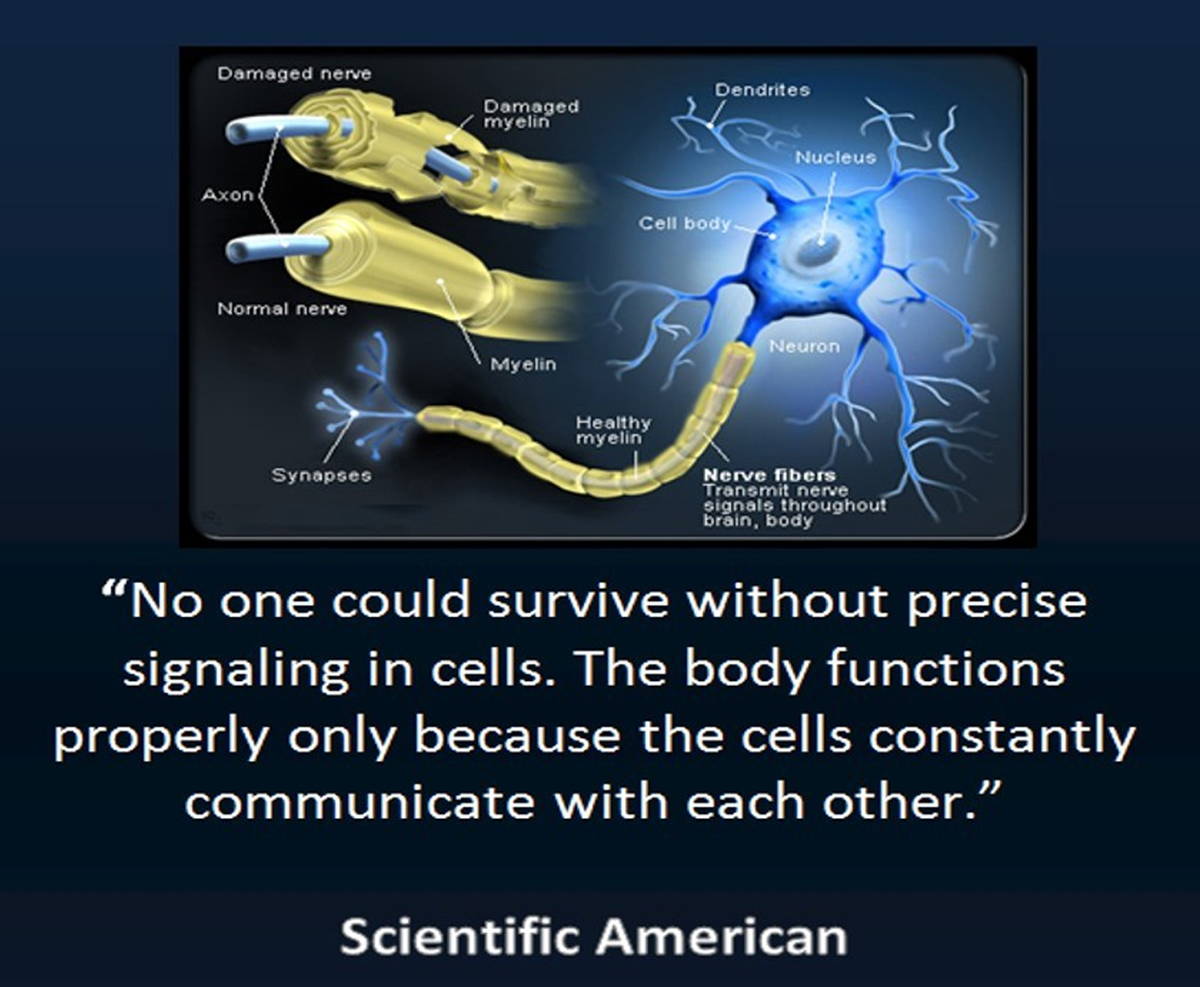


Background:   Physiological responses related to manual therapy (MT) treatment have been investigated over decades using various animal models. However, these studies have not been compiled and their collective findings appraised. The purpose of this scoping review was to assess current scientific knowledge on the physiological responses related to MT and/or simulated MT procedures in animal models so as to act as a resource to better inform future mechanistic and clinical research incorporating these therapeutic interventions

Methods:   PubMed, Cumulative Index to Nursing and Allied Health Literature (CINAHL), Cochrane, Embase, and Index of Chiropractic Literature (ICL) were searched from database inception to August 2019. Eligible studies were:

(a)   published in English;
(b)   non-cadaveric animal-based;
(c)   original data studies;
(d)   included a form of MT or simulated MT as treatment;
(e)   included quantification of at least one delivery parameter of MT treatment;
(f)   quantification of at least one physiological measure that could potentially contribute to therapeutic mechanisms of action of the MT.

MT studies were categorized according to three main intervention types:

There are more articles like this @ our:
What is the Chiropractic Subluxation? Page

(more…)

Revisiting Risk-stratified Whiplash-exposed Patients 12 to 14 Years After Injury

By |May 14, 2021|Chronic Low Back Pain, Chronic Neck Pain, Chronic Spinal Pain, Whiplash|

Revisiting Risk-stratified Whiplash-exposed Patients 12 to 14 Years After Injury

The Chiro.Org Blog


SOURCE:   Clinical Journal of Pain 2020 (Dec)

   OPEN ACCESS   

Martin K Rasmussen 1 2, Alice Kongsted 3 4, Tina Carstensen 5 6, Troels S Jensen 1 6, Helge Kasch 6 7

1   Danish Pain Research Centre Aarhus University Hospital.

2   Center for Translational Neuromedicine, Copenhagen University, Copenhagen, Denmark.

3   Department of Sports Science and Clinical Biomechanics, University of Southern Denmark.


Objective:   The objective of this study was to evaluate the long-term predictive value of the Danish Whiplash Group Risk Assessment Score (DWGRAS) with 7 risk strata.

Design:   E-questionnaire-based follow-up study (n=927) combining 2 cohorts of whiplash-injured patients, 1 observational (n=187) and 1 interventional randomized controlled trial (n=740).

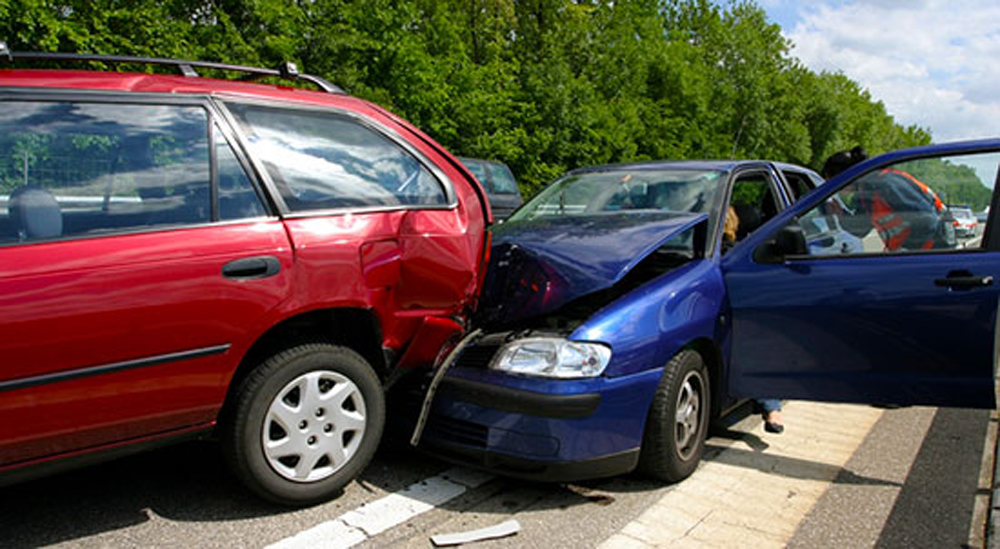
Methods:   Nine hundred twenty-seven previously healthy persons exposed to acute whiplash injury during motor vehicle collision were sent letter by postal service asking the addressee if they would respond to an E-questionnaire. Outcome measures were: whiplash-related disability, pain, use of medication/nonmedical treatment, work capacity.

Results:   The response rate was 37%. Fifty-five percent reported whiplash-related disability. Fourteen percent reported daily symptoms. A strong relationship was found between risk strata and impact of event and between risk strata and disabling symptoms.

There are more articles like this @ our:

WHIPLASH Page

(more…)

The Profile of Older Adults Seeking Chiropractic Care: A Secondary Analysis

By |May 9, 2021|Low Back Pain, Medicare|

The Profile of Older Adults Seeking Chiropractic Care: A Secondary Analysis

The Chiro.Org Blog


SOURCE:   BMC Geriatrics 2021 (Apr 23);   21 (1):   271

   OPEN ACCESS   

Katie de Luca, Sheilah Hogg-Johnson, Martha Funabashi, Silvano Mior & Simon D. French

Department of Chiropractic,
Faculty of Medicine,
Health and Human Sciences,
Macquarie University,
Sydney, Australia.


Background:   Musculoskeletal conditions are the primary reason older adults seek general medical care, resulting in older adults as the highest consumers of health care services. While there is high use of chiropractic care by older adults, there is no recent, specific data on why older adults seek chiropractic care and how chiropractors manage conditions. Therefore, the purpose of this study was to describe the demographic characteristics of older adults seeking chiropractic care, and to report problems diagnosed by chiropractors and the treatment provided to older adults who seek chiropractic care.

Methods:   A secondary data analysis from two, large cross-sectional observational studies conducted in Australia (COAST) and Canada (O-COAST). Patient encounter and diagnoses were classified using the International Classification of Primary Care, 2nd edition (ICPC-2), using the Australian ICPC-2 PLUS general practice terminology and the ICPC-2 PLUS Chiro terminology. Descriptive statistics were used to summarize chiropractor, patient and encounter characteristics. Encounter and patient characteristics were compared between younger (< 65 years old) and older (≥65 years old) adults using ?2 tests or t-tests, accounting for the clustering of patients and encounters within chiropractors.

Results:   A total of 6,781 chiropractor-adult patient encounters were recorded. Of these, 1,067 encounters were for persons aged > 65 years (16%), from 897 unique older patients. The most common diagnosis within older adult encounters was a back problem (56%), followed by neck problems (10%). Soft tissue techniques were most frequently used for older patients (85 in every 100 encounters) and in 29 of every 100 encounters, chiropractors recommended exercise to older patients as a part of their treatment.

There are more articles like this @ our:

MEDICARE Page

(more…)

Spinal Pain in Pre-adolescence and the Relation with Screen Time and Physical Activity Behavior

By |May 2, 2021|Neck Pain, Pediatrics|

Spinal Pain in Pre-adolescence and the Relation with Screen Time and Physical Activity Behavior

The Chiro.Org Blog


SOURCE:   BMC Musculoskelet Disord 2021 (Apr 26); 22 (1): 7 393

   OPEN ACCESS   

Anne Cathrine Joergensen, Katrine Strandberg-Larsen, Per Kragh Andersen, Lise Hestbaek, Anne-Marie Nybo Andersen

Section of Epidemiology, Department of Public Health,
Faculty of Health and Medical Science,
University of Copenhagen,
Oster Farimagsgade 5, Box 2099,
DK-1014, Copenhagen K, Denmark.


Background:   To investigate how screen time and physical activity behavior were associated with spinal pain in pre-adolescence.

Methods:   This study included 45,555 pre-adolescents who participated in the 11–year follow-up of the Danish National Birth Cohort. The 11–year follow-up included self-reported information on computer and TV behavior, aspects of physical activity, as well as frequency and intensity of spinal pain (neck-, mid back- and low back pain). Data were linked with parental socioeconomic data from Statistics Denmark registers. Associations were estimated using multinomial logistic regression models. To account for sample selection, we applied inverse probability weighting.

Results:   Duration of screen time was stepwise associated with the degree of spinal pain. Compared with those spending < 2 h/day in front of a screen, screen time of ≥6 h/day was associated with a substantially increased relative risk ratio (RRR) of severe pain for both girls (RRR: 2.49, 95% CI: 2.13–2.92) and boys (RRR: 1.95, 95% CI: 1.65–2.32). Being physical inactive was likewise associated with higher likelihood of severe spinal pain (RRR: 1.22, 95% CI: 1.10–1.34) relative to those being moderately active. We observed that being physically active was seemingly associated with lower risk of spinal pain among boys with high frequency of screen time.

There are more articles like this @ our:

Pediatrics Section

(more…)

The COMMENTS Section is Back!

By |April 30, 2021|Uncategorized|

The COMMENTS Section is Back!

The Chiro.Org Blog


In the last 7 years, we have relocated to a new (better) server 4 different times.

Even though we moved all the Blog files over, WordPress automatically snaps back to its default (original) settings, so we had to fuss for a few days to get everything to look the way we previously designed it to appear.

UNFORTUNATELY, the one thing we missed (since it’s the one thing we never use) was the COMMENTS Section at the bottom of every full post. Evidently you always have to re-install the Comments section as well. Grrr!

The “Front Page” displays a portion of every post. To see the Full post, you either click the Title, or the Read More link at the bottom.

Below the full post is the COMMENTS Section.

The first time you make a comment, you will have to add your Name and your E-Mail address. After that, you will always be signed in.

You can also check the box(es) to follow future comments on that post, or to ask to be notified every time a new Blog Post is published. Very convenient!

We assure you that your e-mail address will NEVER be shared with anyone.

We also apologize that we missed this in the past, because it suppressed one of our most enjoyable features, discussing current research with friends and fellow DCs.

We are pleased to return full functionality to our Blog, and hope that you too will enjoy discussing these studies with your peers.